Foot Skin Peeling Treatments
Foot Skin Peeling Treatments
Foot skin peeling can have several causes, so the right treatment depends on why the skin is peeling. Athlete's foot is a common cause, particularly when peeling occurs between the toes and is accompanied by itching, burning, or scaling. However, dry skin, eczema, irritation, excessive moisture, and other dermatological conditions can also produce peeling skin.
For this reason, persistent or recurring peeling should not automatically be treated as a fungal infection. A medical assessment can help identify the underlying cause before selecting treatment.
What Causes Foot Skin Peeling?
Peeling skin on the feet can result from several conditions.
Common possibilities include:
- Athlete's foot (tinea pedis)
- Very dry or cracked skin
- Eczema or dermatitis
- Excessive sweating and moisture
- Friction from footwear
- Irritation from soaps or foot-care products
- Blistering skin conditions
- Other fungal or inflammatory skin disorders
The location and accompanying symptoms can provide useful clues.
For example, athlete's foot commonly produces scaly, peeling or cracked skin between the toes, while dry-skin conditions may be more prominent around the heels or other areas exposed to friction.
Is Peeling Skin on the Feet Always Athlete's Foot?
No.
Athlete's foot is an important possibility, but peeling alone does not establish a fungal diagnosis.
Athlete's foot may cause:
- Itching
- Burning or stinging
- Peeling between the toes
- Dry scaling on the soles or sides of the feet
- Cracking
- Blisters
- Occasionally unpleasant odor
Eczema can also cause dry, scaly, cracked, or peeling skin. Some forms of eczema affecting the feet may begin with small, intensely itchy blisters and later leave peeling, dry skin as the blisters resolve.
When the appearance is unclear, a healthcare professional may examine the skin and, when necessary, take a small sample for testing to help distinguish fungal infection from dermatitis or other conditions.
Foot Skin Peeling Treatment Options
Antifungal Treatment
If the peeling is caused by athlete's foot, an antifungal medication may be appropriate.
Depending on the diagnosis, treatment can include antifungal creams, sprays, or powders. Some cases that do not respond to initial treatment may require prescription medication.
Treatment should be directed at the fungal infection rather than simply removing the peeling skin.
Moisturizing Treatment
When peeling is caused primarily by dry skin, regular moisturization may be more appropriate than antifungal treatment.
For very dry or cracked heels, the American Academy of Dermatology recommends moisturizing shortly after bathing. Products containing ingredients such as 10–25% urea, alpha hydroxy acids, or salicylic acid may be useful for appropriate dry-skin cases.
Moisturizer should be selected according to the condition of the skin. If there is suspected fungal infection, simply applying a heavy moisturizer may not address the underlying problem.
Eczema Treatment
If a dermatologist determines that peeling is related to eczema or dermatitis, treatment may focus on controlling inflammation and repairing the skin barrier.
Depending on the type and severity of eczema, a dermatologist may recommend prescription topical medication, moisturizers, cool compresses, or other treatments.
This is another reason why identifying the cause matters: antifungal medication and eczema treatment address different conditions.
Professional Foot Skin Care
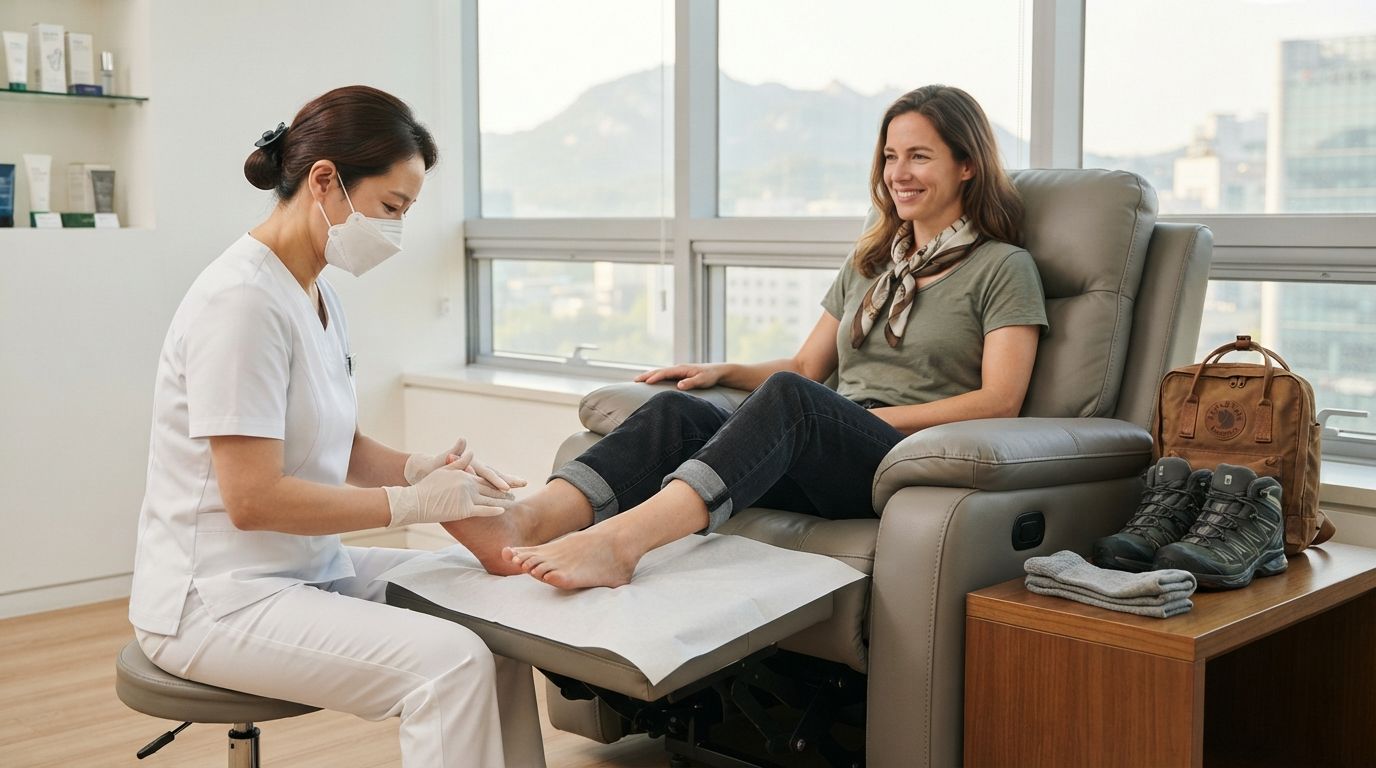
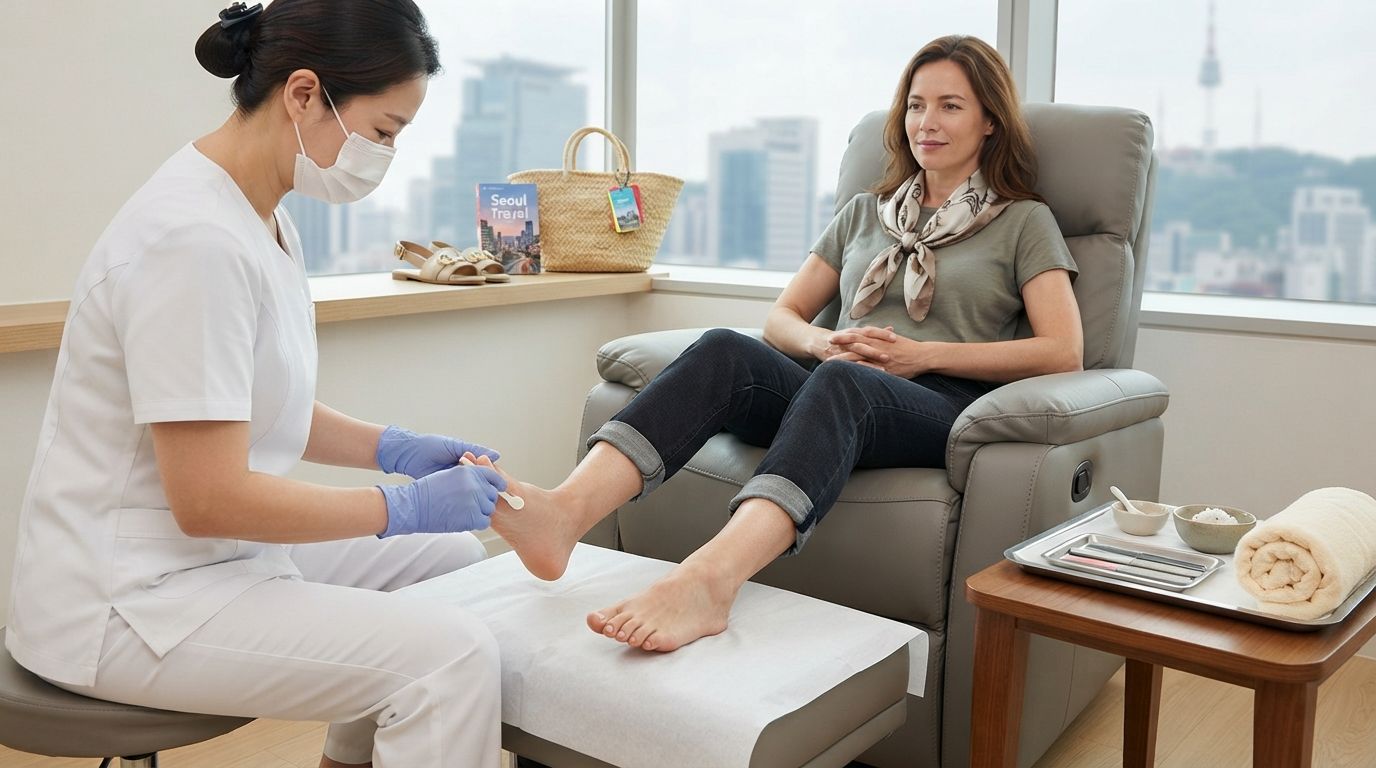
Some medical foot-care providers offer professional treatment for excessive thickened or peeling skin.
Depending on the patient's condition, professional care may involve:
- Examination of the affected skin
- Gentle removal of excessive dead skin
- Treatment recommendations
- Moisturizing or barrier care
- Management of calluses
- Referral for dermatological treatment when infection is suspected
Patients should verify whether a provider offers medical assessment rather than assuming that a cosmetic pedicure or foot spa can diagnose a skin disorder.
Should You Peel the Skin Off Yourself?
It is generally better not to pull, cut, or aggressively scrape peeling skin.
Removing too much skin can create small injuries and compromise the skin barrier. If the peeling is caused by athlete's foot, aggressive manipulation may also irritate the affected area without treating the infection.
If thickened skin is causing discomfort, professional reduction may be safer than using blades, scissors, or aggressive scraping at home.
Foot Peeling After a Pedicure
Peeling can occasionally occur after a cosmetic foot treatment because of friction, soaking, exfoliating products, or irritation.
If peeling starts after a new product or procedure, consider avoiding further exfoliation until the skin recovers.
Seek medical assessment if the peeling is accompanied by:
- Significant itching
- Burning
- Blisters
- Increasing redness
- Pain
- Swelling
- Drainage
- Recurrent episodes
These symptoms can indicate an underlying skin condition rather than simple cosmetic dryness.
How to Care for Peeling Feet at Home
While determining the cause, gentle foot care can help protect the skin.
Keep Feet Clean and Dry
Wash the feet regularly and dry carefully, particularly between the toes. Keeping feet dry is especially important when athlete's foot is suspected.
Change Damp Socks
Change socks regularly and more often if your feet become sweaty.
Choose Breathable Footwear
Allowing shoes to dry between uses can help reduce excessive moisture. Mayo Clinic recommends breathable footwear and rotating shoes to give them time to dry.
Avoid Aggressive Exfoliation
Do not use strong scrubs, blades, or repeated peeling treatments on irritated skin.
Do Not Share Foot-Care Items
Avoid sharing towels, socks, shoes, nail tools, or other personal items if a fungal infection is suspected because athlete's foot can spread through contaminated items and surfaces.
When Should You See a Dermatologist?
Consider professional evaluation when:
- Peeling continues despite basic skin care
- Symptoms repeatedly return
- There is significant itching or burning
- The skin is cracking or painful
- The condition spreads to other areas
- Toenails become thickened or discolored
- Over-the-counter antifungal treatment has not helped
- You are uncertain whether the problem is fungal or eczema
Mayo Clinic recommends medical evaluation when suspected athlete's foot does not improve after two weeks of an over-the-counter antifungal cream.
People with diabetes or other conditions that increase the risk of foot complications should seek professional advice sooner rather than aggressively treating peeling skin themselves.
Foot Skin Peeling Treatment for Travelers
Peeling feet can become particularly inconvenient during a Seoul trip because travelers may spend several hours walking each day.
If you are planning extensive sightseeing:
- Wear comfortable, breathable shoes.
- Carry an extra pair of socks if your feet become sweaty.
- Avoid walking long distances in shoes that rub affected areas.
- Do not schedule aggressive foot exfoliation immediately before a full day of walking.
- If peeling is persistent or painful, consider arranging a medical assessment during your trip.
If you are visiting Korea specifically for medical or aesthetic treatment, ask whether the provider has experience diagnosing fungal infections, eczema, and other foot skin conditions.
How Long Does Foot Skin Peeling Take to Improve?
The recovery time depends entirely on the cause.
Fungal infections may require several weeks of appropriate antifungal treatment. Mayo Clinic notes that treatment can take two to four weeks in some cases, although the timeline varies.
Dry skin may improve more quickly with appropriate moisturization and removal of the underlying irritant.
Eczema can follow a different pattern, with symptoms improving and recurring over time depending on the individual's triggers and treatment plan.
How Much Do Foot Skin Peeling Treatments Cost?
Treatment costs vary according to the cause and the type of care required.
Potential costs may include:
- Dermatology consultation
- Fungal testing
- Prescription medication
- Professional foot-care treatment
- Treatment of associated nail problems
- Follow-up consultations
There is no single price for foot skin peeling treatment, so international patients should confirm current consultation and treatment fees directly with the provider.
Final Takeaway
Foot skin peeling treatments should target the underlying cause rather than simply removing the peeling skin.
Athlete's foot is a common cause and may require antifungal treatment, while dry skin may respond to appropriate moisturization and eczema may require anti-inflammatory treatment. Because these conditions can look similar, persistent peeling is worth having assessed rather than repeatedly exfoliating at home.
For travelers in Korea, gentle foot care, dry footwear, regular sock changes, and timely medical evaluation can help prevent a minor foot problem from interfering with a Seoul itinerary.