Clinic guide · First visit
Your First Visit to Obliv Clinic: What to Expect
A first visit to a Korean skin clinic can feel unfamiliar. This step-by-step guide explains exactly what happens at Obliv Clinic Seoul Origin, from your first WhatsApp message to the aftercare you take home.
Quick answer
A first visit to Obliv Clinic Seoul Origin, between Myeongdong and Jongno in Seoul, follows five steps: you message on WhatsApp with photos and travel dates, arrive and complete a medical history, have Mark-Vu skin imaging, meet a doctor who explains your skin layer by layer and writes a plan and quote, then treat if you agree and receive written aftercare. Allow roughly 60–90 minutes with a simple treatment. Consultations are in English; the clinic is open 7 days.
Key takeaways
- You do not need to know treatment names — describe your concern and send daylight photos on WhatsApp.
- Arrive about 10 minutes early with your passport, a medicine list and, ideally, a bare face.
- Mark-Vu imaging and a physician examination come before any plan or price.
- There is no obligation to treat on the day; you can take the written quote away and decide later.
- You leave with written aftercare, a Skin Library record and a WhatsApp contact for questions.
Your first visit at a glance
Every first visit to Obliv Clinic Seoul Origin – Myeongdong Premium Branch follows the same structure, whether you come for a single Botox appointment or a combined lifting and laser plan. The order matters: information first, examination second, decision third and treatment last. That sequence is how we keep plans honest and treatments safe, especially for visitors who cannot easily come back for a review.
The five stages are shown below: a WhatsApp conversation before you travel, Mark-Vu skin analysis on arrival, a doctor consultation with a written plan, treatment in a private room and an aftercare briefing with follow-up. Each stage is explained in detail on this page, with tips on what to bring and what to tell us. If you prefer the big picture first, the main Myeongdong skin clinic guide describes the clinic and its treatment families.
Before you arrive: booking on WhatsApp
Most first visits start with a message to +82-10-3086-4084 on WhatsApp. Write in English, or ask for Chinese or Japanese support. You do not need to name a treatment; it is more useful to describe what bothers you, when it started and what you have tried. Two or three photos in natural daylight, without filters or make-up, help the doctor understand your skin before you arrive.
Please also share your age range, any medical conditions, medicines and supplements, allergies, previous aesthetic treatments with approximate dates and your travel dates. These details can change what is suitable. For example, isotretinoin within the last several months affects resurfacing lasers, blood thinners increase bruising after injectables, and pregnancy rules out many treatments. Telling us early avoids disappointment on the day.
The team replies with available times and directions from your hotel. Because the clinic is open seven days, it is often possible to fit an appointment around a busy itinerary.

Getting here on the day
The clinic is between Myeongdong and Jongno, about a 6-minute walk from Jongno 3-ga station (Lines 1, 3 and 5) and a similar distance from Euljiro 3-ga station (Lines 2 and 3). From Myeongdong station on Line 4, allow roughly 12–15 minutes on foot. Taxis are a simple alternative, especially in rain or summer heat; the team can send the destination in Korean for your driver.
Aim to arrive about 10 minutes early. If you are coming straight from sightseeing or shopping, allow a few extra minutes to cool down and remove make-up. Area-specific routes are in our foreigner-friendly guide, which also covers hotels and airport transfers. Walking times on the map are approximate.
Plan your visit to Obliv Myeongdong
Send your concerns, a photo and your travel dates on WhatsApp (+82-10-3086-4084). English replies, directions from your hotel and a written quote before you come.
Arrival, registration and medical history
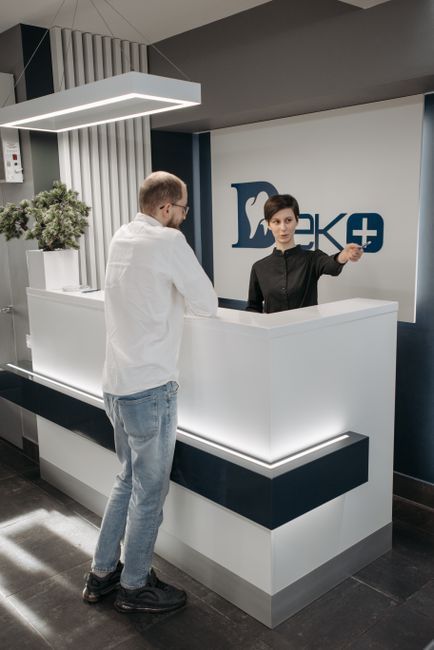
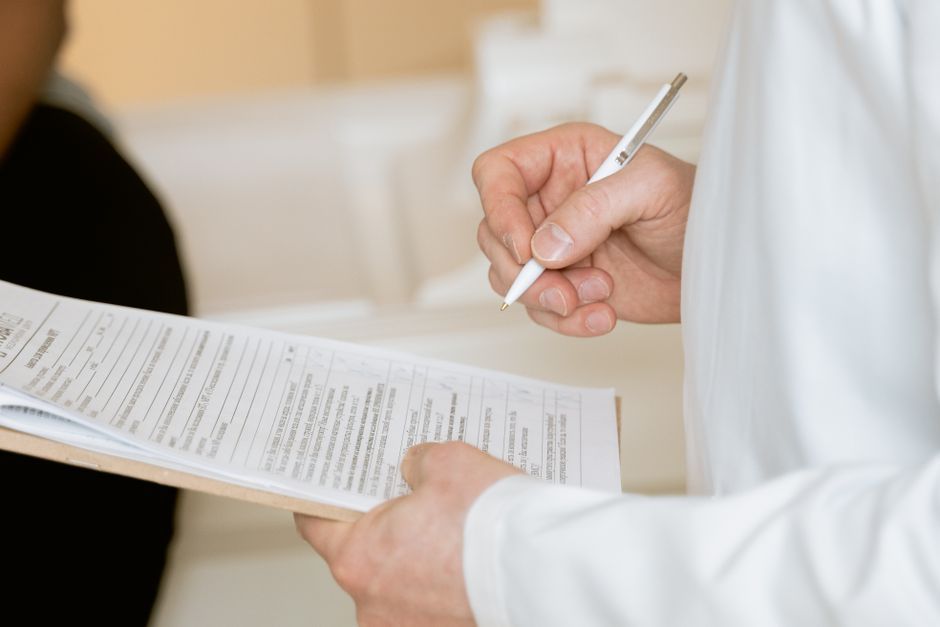
When you arrive you are welcomed at reception and asked to register. Clinics in Korea commonly ask foreign patients to show a passport for this, so keep it with you. You then complete a medical history form covering medicines, allergies, medical conditions, previous treatments and your goals. Take your time; this form is one of the most important safety steps of the visit.
If you are unsure how to answer a question — for instance, whether a supplement counts as a blood thinner, or whether a past treatment was filler or a booster — write what you know and tell the doctor. The American Academy of Dermatology recommends bringing a list of all medicines, vitamins and supplements to any skin appointment, and arriving with bare skin so the doctor can see it clearly. Both apply here.
Mark-Vu skin analysis
After registration, make-up is removed from the face and you have Mark-Vu skin analysis imaging. You sit still for a series of standardised photographs that reveal details hard to see in a mirror: pigment beneath the surface, diffuse redness, pore patterns, fine lines and texture. The process is painless and takes about 10–15 minutes including preparation.
The images serve two purposes. First, they help the doctor understand which layer of your skin a concern lives in — essential to the Skin Architecture method. Second, they become a baseline in your Skin Library, so future visits can compare like with like. You will see the images with the doctor rather than simply being told what they show.
Doctor consultation and your written plan
The consultation is the heart of the visit. A physician asks about your goals and history, examines your skin, reviews your Mark-Vu images and explains what they see using Skin Architecture layers: the surface epidermis, the supportive dermis, fat, the SMAS lifting layer and muscle. This explains why a treatment is recommended, not just what it is called.
You then hear the options: what each would achieve, how many sessions are typical, the downtime and the main risks for your skin type. The plan is written down with each product or device, the amount — units for toxin, shots or lines for lifting, millilitres for fillers and boosters — the areas and the total price. You can ask questions, request changes or take the plan away to think. There is no obligation to treat on the same day.
The table below shows roughly how long each part of a first visit takes. Times vary with the plan; numbing cream, for example, adds waiting time but makes many treatments far more comfortable.
| Part of the visit | Approx. time | What you do |
|---|---|---|
| Arrival and registration | About 10 min | Show passport, fill in medical history |
| Mark-Vu imaging | About 10–15 min | Remove make-up, sit for photos |
| Doctor consultation | About 15–30 min | Discuss goals, ask questions, review the plan |
| Numbing (if needed) | About 20–40 min | Relax while cream takes effect |
| Treatment | Minutes to about 1 hour | Depends on the treatment chosen |
| Aftercare briefing | About 5–10 min | Receive written instructions and records |
Treatment day: comfort and safety
If you decide to go ahead, treatment usually follows the consultation. You are taken to a private room, the area is cleansed and, where useful, numbing cream or cooling is applied. During treatment the team checks your comfort regularly; you can ask to pause at any point. Lifting treatments such as Ultherapy or Thermage feel like deep warmth or brief heat pulses, lasers like snaps or warmth, and injectables like quick pinches.
When several treatments are combined, the doctor decides the order. Energy-based treatments usually come first and injectables last, so heat or massage does not disturb product placement. The timeline below summarises the whole first visit from your WhatsApp message to aftercare.
Aftercare and your Skin Library record
Before you leave, the team explains aftercare and gives you written instructions in English. These cover what is normal (for example small bumps after boosters, mild redness after laser, slight tenderness after lifting), what to avoid and for how long (saunas, jjimjilbang, intense exercise, alcohol, active acids or retinoids) and which symptoms mean you should contact the clinic. Daily broad-spectrum sunscreen is essential after most treatments.
Your visit is saved in your Skin Library: products, amounts, settings, areas and photos. The US CDC advises travellers who receive care abroad to keep records and share them with their doctors at home; the Skin Library makes that simple and lets your next treatment, in Seoul or elsewhere, start from accurate information. Keep the WhatsApp thread for any questions after you fly home.

Questions first-time patients often ask
First-time visitors to Korean aesthetic clinics often worry about being pressured, looking 'overdone' or not understanding what is happening. Our process is built to address each of those worries: a doctor-led consultation, conservative first-time dosing with review where possible, written plans and English explanations. For a perspective on natural results, read your first cosmetic dermatology visit in Myeongdong.
If you are comparing clinics, the AAD suggests asking how often a doctor performs a procedure, what realistic results look like and what the risks are. Bring those questions with you. You can also read our prices and payment guide before the visit, and note that the cosmetic VAT refund for foreign visitors ended on 31 December 2025.
- Prices & Payment
- Tax Refund for Foreign Patients
- Doctor-Led Cosmetic Dermatology vs Beauty Spa in Seoul
Frequently asked questions
How long does a first visit take?
Allow roughly 60–90 minutes for a first visit with Mark-Vu imaging, consultation and a simple treatment. Numbing cream or combined treatments add time.
Do I have to have treatment on the same day?
No. You can take the written plan and quote away and decide later. Many visitors consult on one day and treat the next.
What should I bring?
Your passport, a list of medicines, supplements and allergies, notes on previous treatments, your flight details and sunscreen or a hat for afterwards.
Should I wear make-up?
A bare face is ideal. If you wear make-up, it will be removed before imaging and treatment.
What is Mark-Vu?
Mark-Vu is a skin imaging system that shows pigment, redness, pores and texture. It helps the doctor plan and gives you a baseline for future comparisons.
Will a doctor see me?
Yes. Every plan is made by a physician after examination; our five doctors follow the same Skin Architecture method.
Is numbing available?
Yes, numbing cream or cooling is used where helpful. Numbing cream usually needs 20–40 minutes to work.
Can I bring a friend or partner?
Usually yes. Let the team know when booking, especially if you would like them with you during the consultation.
What happens if I have a reaction after I go home?
Message the clinic on WhatsApp with photos. For urgent symptoms, seek local medical care straight away and share your Skin Library record.
Can I book my first visit on a weekend?
Yes, the clinic is open 7 days a week. Book early for weekends and holidays.
Related treatments and guides
From the Obliv Skin Journal
- First Cosmetic Dermatology Visit in Myeongdong Korea
- Personalized Skin Analysis in Myeongdong Seoul
- Cosmetic Dermatology Consultation for Foreign Visitors in Seoul
- Same-Day Cosmetic Skin Treatments in Myeongdong Seoul
- Korean Beauty Bucket List for First-Time Visitors
Plan your visit to Obliv Myeongdong
Send your concerns, a photo and your travel dates on WhatsApp (+82-10-3086-4084). English replies, directions from your hotel and a written quote before you come.
Our five physicians plan every treatment by skin layer using the Obliv Skin Architecture method. Last reviewed 2026-10-27. This page is general information, not a diagnosis; your plan is set after an in-person consultation.