Skin concerns · Acne

Acne & Breakout Treatment in Myeongdong & Jongno, Seoul

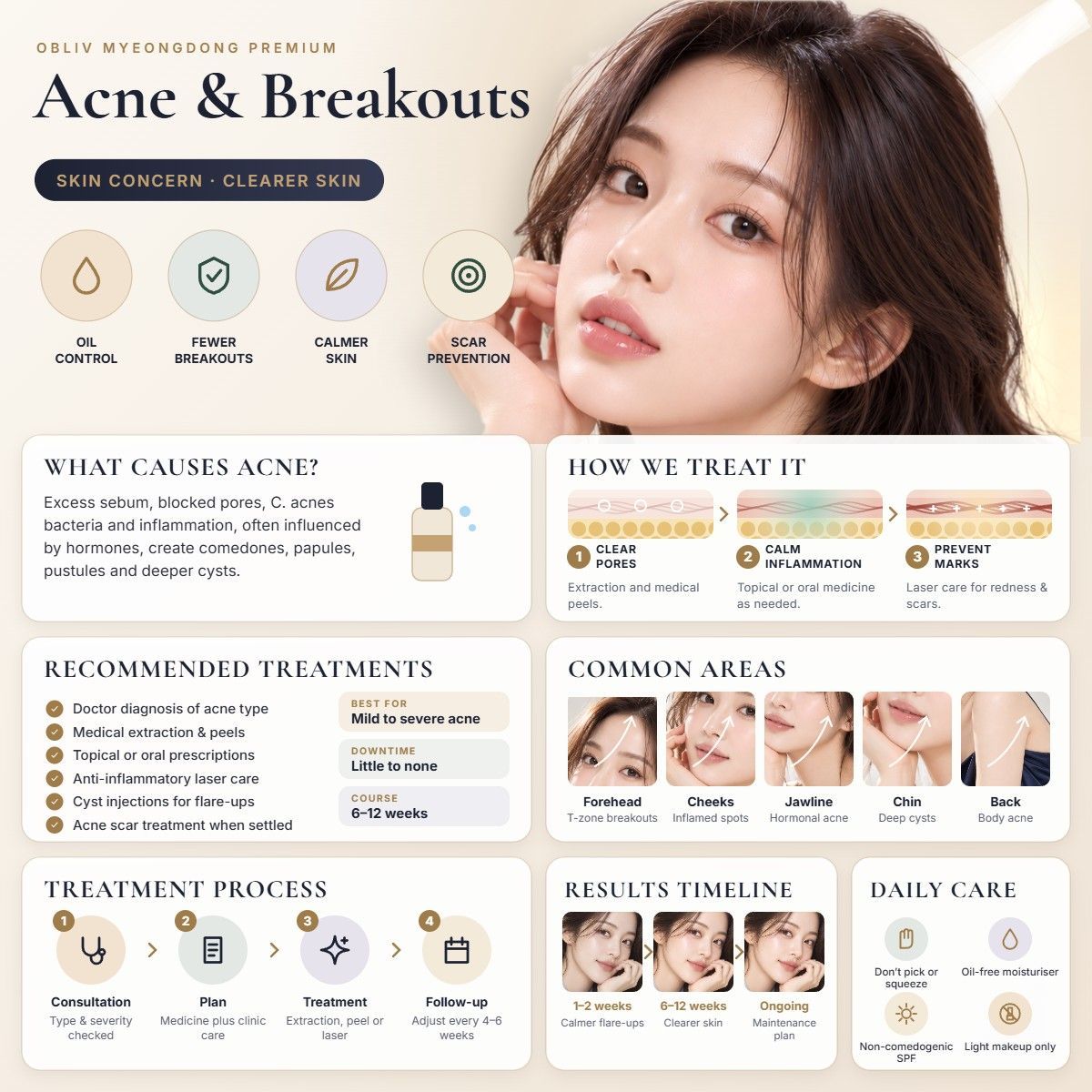
Not every breakout is the same acne, and some are not acne at all. At Obliv Clinic Seoul Origin a doctor first identifies what kind of spots you have and what drives them, then combines medical treatment, in-clinic care and a plan to prevent marks and scars.

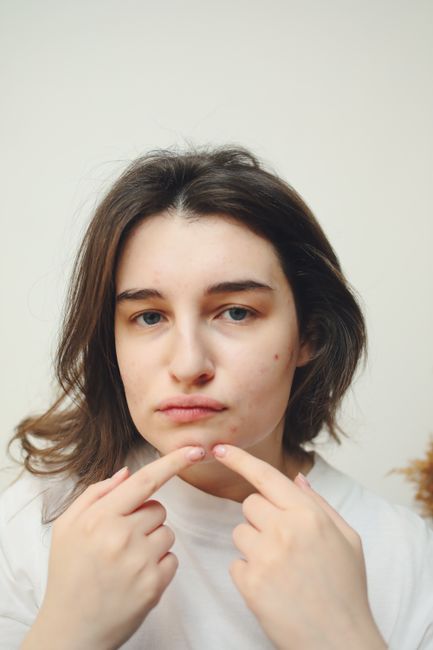
Young woman with mild acne before an acne assessment at Obliv Clinic near Myeongdong, Seoul

Quick answer

Acne is an inflammatory condition of the hair follicle and oil gland, driven by excess sebum, blocked pores, Cutibacterium acnes bacteria and inflammation, often influenced by hormones. It ranges from comedones (blackheads and whiteheads) to papules, pustules, nodules and cysts. At Obliv near Myeongdong and Jongno, Seoul, a doctor diagnoses the type and severity, rules out look-alikes such as fungal acne and rosacea, and plans topical or oral treatment with in-clinic extraction, peels or laser; most plans need 6–12 weeks to show clear improvement.

Key takeaways

  • Acne has four drivers: oil, blocked pores, bacteria and inflammation. Effective plans target more than one of them.
  • Small, uniform, itchy bumps on the forehead, chest or back without blackheads may be fungal acne (Malassezia folliculitis), which antibiotics can worsen.
  • Adult jawline acne with irregular periods, excess hair or scalp hair thinning can be hormonal; see our article on when to see a gynaecologist as well as a skin clinic.
  • Isotretinoin is highly effective for severe acne but is a prescription-only medicine with serious risks, including birth defects; it needs a doctor's supervision and monitoring.
  • Treating active acne early is the best way to prevent acne scars and dark marks.

What causes acne and breakouts?

Acne starts inside the hair follicle, the tiny canal that also houses an oil (sebaceous) gland. Four processes work together. The gland produces more sebum, often because it is sensitive to androgen hormones. Skin cells lining the follicle become sticky and block the opening, forming a microcomedone. The oily, low-oxygen environment favours Cutibacterium acnes, a normal skin bacterium, which triggers the immune system. The result is inflammation, which makes spots red, swollen and painful and, if deep enough, damages collagen and leaves scars.

Many factors push this cycle. Genetics play a large role, and acne often runs in families. Hormonal changes around puberty, the menstrual cycle, pregnancy, stopping hormonal contraception and polycystic ovary syndrome (PCOS) can all trigger flares. Some medicines, including corticosteroids, some anti-epileptics and anabolic steroids, cause or worsen acne. Heavy, pore-clogging products, friction from masks or helmets, sweat and humidity also contribute, and there is reasonable evidence that high-glycaemic diets and, for some people, dairy may play a part.

Travel often adds short-term triggers: disrupted sleep, a new climate, different water, and new skincare picked up while shopping. If you have had a sudden flare since arriving in Seoul, our guide to tourist acne treatment in Myeongdong explains how we handle it in a short stay.
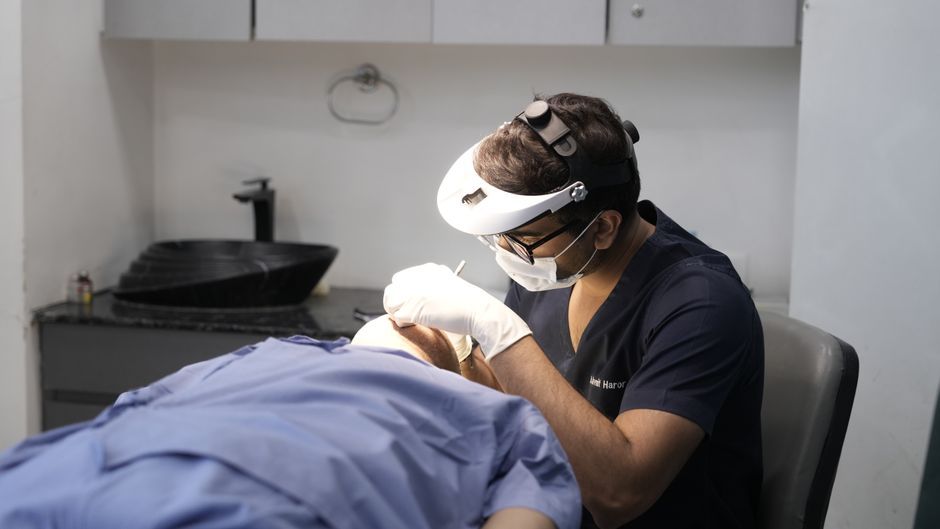
Doctor examining acne lesions under a magnifying lamp to identify acne type
Diagnosis first: comedones, inflamed spots and look-alikes such as fungal acne need different treatment.

Types of acne and where they sit in the skin

Doctors classify acne by the kind of spots you have, how many and how deep they go. Severity guides treatment, so naming the type is the first step of any plan. In the Obliv Skin Architecture view, comedones are mainly a surface (epidermal) problem at the pore opening, while inflamed lesions extend into the dermis, where oil glands sit and where scarring happens.

  • Whiteheads (closed comedones) — small skin-coloured bumps where the pore is blocked under a thin layer of skin.
  • Blackheads (open comedones) — open pores where the plug darkens on contact with air; not dirt.
  • Papules — small, red, tender bumps without a visible head; an early inflamed spot.
  • Pustules — inflamed spots with a white or yellow centre of pus.
  • Nodules and cysts — large, deep, painful lumps that can last weeks and carry the highest risk of scarring. They need a doctor's care, not home treatment.
  • Post-acne marks — red (post-inflammatory erythema) or brown (post-inflammatory hyperpigmentation, PIH) flat marks after a spot heals. These fade with time and treatment and are different from true scars, which change skin texture.
Which skin layer Acne & Breakouts targets epidermis: Comedones form when sticky surface cells block the pore opening; dark marks (PIH) also sit here.; dermis: Oil glands and inflamed follicles: papules, pustules, nodules and cysts; deep inflammation causes scars. SKIN ARCHITECTURE · TARGET LAYER MAP Epidermis 0.05–0.1 mm Comedones form when sticky surface cells block the pore opening; dark marks (PIH) also sit here. Dermis (collagen & elastin) 1–3 mm Oil glands and inflamed follicles: papules, pustules, nodules and cysts; deep inflammation causes scars. Subcutaneous fat 3–4.5 mm+ SMAS (fibromuscular layer) ≈ 4.5 mm Muscle deeper Schematic, not to scale. Depths vary by face area, age and skin type; your doctor sets them after examination.
Skin Architecture view: the layers Acne & Breakouts works on.

How a doctor tells acne from look-alikes

Several common conditions look like acne but need very different treatment, so diagnosis matters. Your doctor looks at the type of lesion, where it is, whether comedones are present, and how it behaves. Mark-Vu skin analysis helps map oil, pores, redness and pigment, and the images are stored in your Skin Library record to track progress.

Fungal acne (Malassezia or pityrosporum folliculitis) is the most frequently missed look-alike. It is caused by a yeast that lives on normal skin, not by acne bacteria. Typical signs are many small, uniform bumps and pustules, often itchy, on the forehead, hairline, upper chest, shoulders or back, with no blackheads or whiteheads. It is worse in heat, humidity and sweating, and after antibiotics or steroid creams, which is why it is common in Seoul's humid summer. A doctor may confirm it with a simple skin scraping and treats it with antifungal washes or tablets rather than acne antibiotics.

Other mimics include rosacea (flushing, redness and pimples with no comedones, usually in adults), perioral dermatitis (small bumps around the mouth and nose, often after steroid creams or heavy creams), bacterial folliculitis (spots around hairs, often after shaving), steroid acne, and milia, which are hard white cysts that only need gentle extraction. Treating any of these as ordinary acne can make them worse. The chart summarises common acne signs and the situations where you should see a doctor promptly.

Signs it is likely acne vs See a doctor promptly if: Acne & Breakouts Good fit: Blackheads and whiteheads with red bumps on face, chest or back; Spots of different sizes and stages at the same time; Flares around periods, stress or new skincare and make-up; Oily T-zone and enlarged pores; Breakouts that leave red or brown marks after healing. Not ideal: Painful deep nodules or cysts, or acne that scars quickly; Sudden acne with irregular periods, excess hair or voice change; Fever, joint pain or ulcerating acne; Low mood, anxiety or thoughts of self-harm linked to your skin; Pregnant or trying to conceive (many acne medicines unsafe). ✓ Signs it is likely acne ✕ See a doctor promptly if Blackheads and whiteheads with red bumps on face, chest or back Spots of different sizes and stages at the same time Flares around periods, stress or new skincare and make-up Oily T-zone and enlarged pores Breakouts that leave red or brown marks after healing Painful deep nodules or cysts, or acne that scars quickly Sudden acne with irregular periods, excess hair or voice change Fever, joint pain or ulcerating acne Low mood, anxiety or thoughts of self-harm linked to your skin Pregnant or trying to conceive (many acne medicines unsafe)
Acne & Breakouts: typical signs versus reasons to see a doctor promptly. Only an examination confirms the diagnosis.

Ask a doctor about Acne & Breakouts

Send a photo and your travel dates on WhatsApp (+82-10-3086-4084). English replies, a personal plan and a written quote before you fly.

Hormonal acne in adults

Adult acne, particularly in women, often has a hormonal pattern: deeper, tender spots along the jawline, chin and neck that flare in the week before a period and are slow to heal. Most people with hormonal acne have normal hormone levels and simply sensitive oil glands. In some, however, acne is one sign of an underlying condition such as polycystic ovary syndrome (PCOS), especially when it comes with irregular or missed periods, excess facial or body hair, scalp hair thinning or difficulty with weight.

When these signs are present, a gynaecologist or endocrinologist should be involved alongside the skin clinic. They can arrange hormone tests and discuss treatments such as certain combined oral contraceptives or anti-androgen medicines, which a skin clinic may not be the right place to start. Our article Hormonal acne: when to see a gynaecologist as well as a skin clinic explains which symptoms to mention and what to bring to your appointments.

In clinic, we treat the skin side: calming inflamed spots, extracting comedones, controlling oil, and preventing marks and scars. Visitors can read hormonal acne treatment while visiting Korea for how to plan care around a short stay and continue it at home.

Acne treatment options compared

Good acne care is layered: a medical foundation to stop new spots forming, in-clinic treatments to speed up clearing and reduce oil and inflammation, and scar and mark treatment once the acne is quiet. The table compares the main options; your doctor will choose based on your type, severity, skin tone, medical history and how long you are in Seoul.

Doctor's note: antibiotics should not be used on their own or for long periods, because that encourages resistant bacteria. International guidelines recommend combining them with benzoyl peroxide or a retinoid and limiting the course, usually to about three months.
Option Best for How it works Typical course Points to know
Topicals (retinoid, benzoyl peroxide, azelaic acid) Comedones, mild to moderate acne Unblocks pores, reduces bacteria and inflammation Daily; 6–12 weeks to judge Dryness at first; retinoids avoided in pregnancy
Oral antibiotics or hormonal therapy Moderate inflammatory or hormonal acne Reduces inflammation or androgen effect Usually 3–6 months Prescribed by a doctor; antibiotics time-limited
Isotretinoin Severe, nodular or scarring acne Shrinks oil glands Usually 4–6+ months Prescription only; strict pregnancy prevention and monitoring
Medical extraction and acne care Comedones and closed bumps Sterile extraction, calming and drainage Every 2–4 weeks Avoids the damage of squeezing at home
Laser and toning Oil, redness and post-acne marks Light or laser energy calms and evens tone 3–6 sessions Settings adjusted for skin type
Acne scar treatment/ Rejuran Scars and texture after acne is controlled Fractional laser, subcision and repair boosters 3–5 sessions Best started when active acne is quiet

Medical foundations: topicals, tablets and isotretinoin

Most acne is controlled with daily topical treatment. Topical retinoids such as adapalene or tretinoin unblock pores and prevent new comedones; benzoyl peroxide reduces bacteria without causing resistance; azelaic acid calms inflammation and helps dark marks; and salicylic acid can help oily skin. They usually cause some dryness at first and take six to twelve weeks to show their full effect, so changing products every few weeks rarely helps.

For moderate inflammatory acne, a doctor may add a limited course of oral antibiotics or, for women with hormonal patterns, hormonal treatment prescribed with appropriate checks. These need a proper medical history, and we will coordinate with your doctor at home where possible so treatment can continue after your trip.

Isotretinoin (sometimes known by older brand names such as Roaccutane or Accutane) is the most effective treatment for severe, nodular or scarring acne and can give long-lasting clearance. It is also a medicine that needs serious respect. It can cause severe birth defects, so anyone who could become pregnant must use effective contraception from at least a month before starting until at least a month after stopping, with pregnancy testing. It commonly causes dry lips, skin and eyes, and needs blood tests and monitoring; mood changes have been reported, so any low mood should be reported to the prescribing doctor straight away. Isotretinoin is prescribed only after a full consultation, never as a quick fix for a holiday, and many procedures such as strong laser or peels are postponed during and shortly after treatment.

Isotretinoin safety: do not take isotretinoin bought online or shared by someone else. Do not take it if you are pregnant, breastfeeding or trying to conceive, and stop and seek medical help if you develop low mood, thoughts of self-harm, severe headache, vision changes or severe stomach pain.

In-clinic acne treatments

Clinic treatments add speed and comfort to the medical plan. Medical extraction removes blackheads, whiteheads and ready pustules under sterile conditions with less trauma than squeezing at home; our article on acne extraction by medical professionals explains why technique matters. For a painful, inflamed nodule before an event, a doctor may sometimes inject a very small dose of diluted corticosteroid to settle it within a day or two, as described in emergency acne injection before a photoshoot. This is used sparingly because it can cause a small dent if overused.

Gentle peels and acne-focused facials help to clear pores and reduce oil; light and laser treatments can calm redness and inflammation; and laser toning such as brightening toning speeds the fading of post-acne marks. LDM or exosome calming care can support irritated skin during treatment. For pores and oil, micro or skin Botox placed in the dermis may reduce oiliness for a few months in selected patients.

For people who want results without visible peeling during a trip, see acne treatment without peeling, and for a summary of devices, the best acne laser near Jongno.
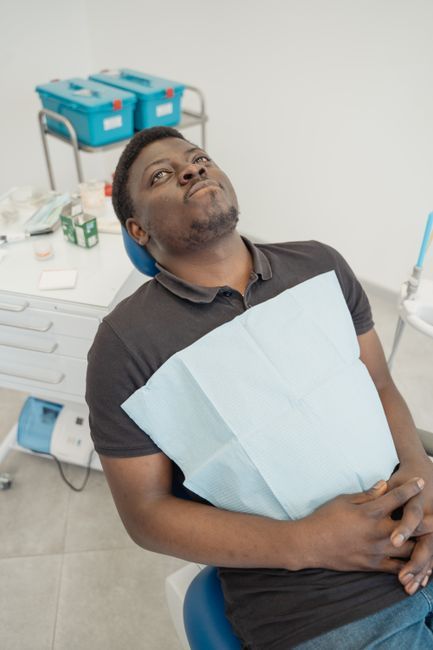
Patient relaxing after an in-clinic acne treatment in Seoul
In-clinic care speeds clearing, while a daily routine keeps new spots from forming.

Preventing and treating marks and scars

Red and brown marks after acne are very common, especially in Asian and darker skin types, which produce pigment easily after inflammation. They are flat and usually fade over months, faster with sunscreen, azelaic acid or retinoids and gentle laser toning. Our hyperpigmentation treatment page and the article on pigmentation after acne cover the options.

True scars change the texture of the skin: ice-pick, boxcar and rolling scars where collagen has been lost, or raised hypertrophic scars. They are treated once active acne is controlled, typically with fractional laser such as Pico Fraxel, subcision, and repair boosters such as Rejuran. Full details are on our acne scar removal page. The best scar treatment of all is controlling inflammation early and not picking.

A typical acne treatment plan

Acne responds over weeks, not days, because new spots begin forming deep in the follicle several weeks before they appear. A typical plan starts with a diagnosis visit and first treatment, continues with in-clinic sessions every two to four weeks and daily home treatment, and is reviewed at about eight to twelve weeks. Visitors can begin a plan in Seoul and continue the medical part at home; your Skin Library record lists your diagnosis, products and settings so another doctor can carry on.

Once acne is under control, maintenance with a topical retinoid or azelaic acid helps keep new spots from forming, and attention turns to marks and scars.

Acne & Breakouts: typical treatment plan Visit 1: Doctor diagnosis, Mark-Vu imaging, prescription or topical plan and first in-clinic treatment.; Week 1–2: Some purging or dryness possible as treatment starts; inflamed spots begin to calm.; Week 4–6: Second in-clinic session; new breakouts usually fewer and smaller.; Week 8–12: Clear improvement for most; plan adjusted if response is slow.; Month 3–6: Maintenance routine; marks and scars treated once acne is controlled.; Ongoing: Topical maintenance and hormonal or trigger management to keep skin clear. TYPICAL TREATMENT PLAN 1 Visit 1 Doctor diagnosis, Mark-Vu imaging, prescription or topical plan and first in-clinic treatment. 2 Week 1–2 Some purging or dryness possible as treatment starts; inflamed spots begin to calm. 3 Week 4–6 Second in-clinic session; new breakouts usually fewer and smaller. 4 Week 8–12 Clear improvement for most; plan adjusted if response is slow. 5 Month 3–6 Maintenance routine; marks and scars treated once acne is controlled. 6 Ongoing Topical maintenance and hormonal or trigger management to keep skin clear.
Acne & Breakouts: a typical treatment plan over time. Your doctor adjusts it to your skin.

Home care for acne-prone skin

Good daily habits support any treatment and reduce flares. Keep it simple; over-treating acne-prone skin often causes dryness, irritation and more breakouts.

  • Cleanse gently twice a day and after sweating, using a mild, non-soap cleanser. Scrubbing does not clean pores better.
  • Choose non-comedogenic moisturiser, sunscreen and make-up. Sunscreen matters because many acne treatments increase sun sensitivity and UV darkens marks.
  • Do not pick or squeeze. It pushes inflammation deeper and increases marks and scars.
  • Give treatments time. Use a product consistently for at least 6–8 weeks before judging it.
  • Wash pillowcases, phone screens and masks regularly, and shower after exercise.
  • Watch new skincare from shopping trips. Introduce one product at a time, especially heavy creams and oils.
  • Look after sleep and stress, and notice whether high-sugar foods or dairy affect your skin.

Red flags, and how to book an acne assessment

Most acne is treatable without urgency, but some situations need a doctor promptly. Severe, painful nodules or rapidly scarring acne should be treated early to limit permanent damage. Sudden acne in adulthood with other signs of hormonal change needs investigation. Acne with fever, joint pain or ulcerating lesions is rare but needs urgent care. And acne that affects your mood is a real medical concern, not vanity — please tell your doctor.

To plan your visit, send daylight photos of the affected areas (face, and chest or back if relevant), a list of your current products and medicines, and your travel dates on WhatsApp. Our English-speaking team replies with a likely plan and what can be achieved during your stay. The clinic sits between Myeongdong and Jongno, about six minutes' walk from Jongno 3-ga and Euljiro 3-ga stations; see the Myeongdong dermatology clinic guide.

Seek help promptly if: you have painful cysts or acne that is scarring; acne with fever, joint pain or open sores; sudden severe acne with menstrual changes, excess hair or voice deepening; or low mood or thoughts of self-harm. In an emergency in Korea call 119.
Your visit to Obliv Myeongdong in five steps: WhatsApp – Send photos, concerns and travel dates in English; Mark-Vu analysis – Imaging of pigment, redness, pores and texture; Doctor consult – Layer-by-layer plan, dose and written quote; Treatment – Private room, numbing and comfort checks; Aftercare – Written care plan and WhatsApp follow-up
How a visit to Obliv Clinic Seoul Origin works, from first WhatsApp message to aftercare.

Frequently asked questions

What is the best acne treatment in Seoul?

There is no single best treatment. Effective care combines a medical plan (topicals, and tablets when needed) with in-clinic treatments such as extraction, peels, laser or calming care, chosen after a doctor identifies your acne type and severity.

How do I know if I have fungal acne?

Fungal acne (Malassezia folliculitis) usually shows many small, similar-sized, itchy bumps on the forehead, chest, shoulders or back, without blackheads or whiteheads, and often flares in heat and humidity. A doctor can confirm it and prescribe antifungal treatment.

Is my acne hormonal?

Hormonal acne often affects the jawline, chin and neck, flares before periods and persists into adulthood. If you also have irregular periods, excess hair or hair thinning, see a gynaecologist or endocrinologist as well as a skin doctor.

Can I start isotretinoin during a trip to Korea?

Isotretinoin needs a full medical assessment, blood tests, pregnancy prevention for anyone who could become pregnant, and regular follow-up for months. It is usually best started and monitored by a doctor in your home country. We can discuss whether it is appropriate and coordinate with your doctor.

How long does acne treatment take to work?

Most treatments need 6–12 weeks to show clear improvement. In-clinic treatments can calm active spots faster, but a consistent daily routine is needed for lasting control.

Can laser cure acne?

Laser and light treatments can reduce oil, redness and inflammation and help marks fade, but they work best alongside medical treatment rather than replacing it. They do not permanently cure acne.

Should I get acne extracted?

Professional extraction of blackheads, whiteheads and ready pustules can speed clearing and reduce the damage caused by squeezing at home. Deep nodules and cysts should not be squeezed; a doctor treats them differently.

When can I treat my acne scars?

Usually once active acne is well controlled, so that new breakouts do not undo the work. Flat red or brown marks can be treated earlier. A doctor will advise based on your skin and any medicines you are taking.

Is it safe to have treatment if I am pregnant?

Many acne medicines, including retinoids and isotretinoin, are not safe in pregnancy. Some gentle treatments may be possible. Tell us if you are pregnant, breastfeeding or trying to conceive so the doctor can choose safely.

Do you offer English consultations for acne?

Yes. Consultations are in English, and Chinese or Japanese support can be requested. Message us on WhatsApp at +82-10-3086-4084 with your photos and dates.

From the Obliv Skin Journal

Ask a doctor about Acne & Breakouts

Send a photo and your travel dates on WhatsApp (+82-10-3086-4084). English replies, a personal plan and a written quote before you fly.

O
Medically reviewed by the Obliv Clinic Seoul Origin medical team
Our five physicians plan every treatment by skin layer using the Obliv Skin Architecture method. Last reviewed 2026-10-27. This page is general information, not a diagnosis; your plan is set after an in-person consultation.

Sources and further reading