Acne Scar Consultation in Myeongdong


Quick answer
An acne scar consultation is a doctor's assessment of your scar types (ice-pick, boxcar, rolling or raised), their depth, your skin tone and any active acne, followed by a written, layered treatment plan. A thorough consultation, such as at Obliv near Myeongdong, includes imaging and side-lit examination and covers realistic improvement (often around 30 to 60 percent over several sessions rather than complete removal), downtime, session spacing and what can be started on a short Seoul trip.
Key takeaways
- Most people have a mix of scar types; each type needs a different tool, so diagnosis comes before any device choice.
- Active acne should be controlled first; treating scars while new spots keep forming wastes sessions.
- Realistic goals are meaningful improvement over several sessions, not complete removal in one visit.
- A good consultation includes side-lit examination, imaging, a written plan, downtime estimates and a clear quote.
- Visitors can start treatment in Seoul and continue at home, using a written record of settings and products.
Why the consultation matters more than the device
Searching for acne scar treatment in Seoul quickly leads to a long list of machines and brand names. The truth is that no single device treats all acne scars. Scars differ in shape, depth and the tissue underneath them, and the most important decision is made before any treatment starts: which scar types you have, and which tool suits each one.
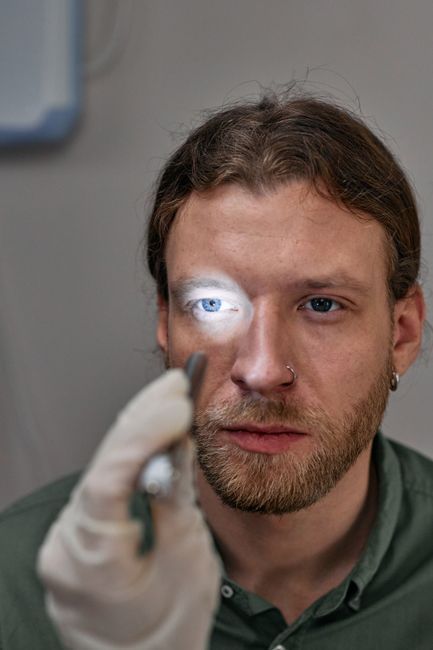
A careful acne scar consultation sorts this out. The doctor examines your skin in normal and side lighting, which reveals shadows that flat light hides, asks about your acne history and current treatments, and checks for active spots, pigment marks and skin conditions that change the plan. The outcome should be a written plan, not just a treatment name.
Our acne scar removal page describes the treatments in detail; this article focuses on the consultation itself, so you know what to expect and what to ask.
The main scar types, explained
Dermatologists usually describe atrophic (indented) acne scars in three groups. Ice-pick scars are narrow and deep, like a puncture. Boxcar scars are wider with steep edges. Rolling scars create a wave-like surface because bands of fibrous tissue tether the skin down. Most people have a mixture. Raised scars, called hypertrophic or keloid scars, are less common on the face and need a very different approach.
It is also important to separate scars from marks. Red or brown flat spots left after acne (post-inflammatory erythema or hyperpigmentation) are not true scars and often fade with time, sun protection and gentle laser care. Treating them as scars with aggressive resurfacing can make pigment worse, especially in Asian and darker skin tones.
| Scar type | What it looks like | Common tools | Typical downtime |
|---|---|---|---|
| Ice-pick | Narrow, deep pits | TCA CROSS, targeted laser | Dark crusts 5–7 days |
| Boxcar | Broad pits with sharp edges | Pico Fraxel, fractional laser, subcision | 1–7 days |
| Rolling | Wavy, shadowed dips | Subcision, RF microneedling, boosters | Bruising 5–10 days after subcision |
| Hypertrophic / keloid | Raised, firm scars | Steroid injections, specialist care | Varies |
| Marks (not true scars) | Red or brown flat spots | Laser toning, vascular or calming care | Usually minimal |
What happens during the consultation
At Obliv, a consultation usually starts with a conversation about your acne: when it began, how active it is now, which medicines you have used (including isotretinoin), and any past scar treatments and how your skin healed. Then the doctor examines the skin in different lighting and with Mark-Vu imaging, which helps document texture, pigment and redness.
Using the Skin Architecture method, the doctor maps which layer each problem sits in: surface texture in the epidermis, scar bands and collagen loss in the dermis, and sometimes volume loss deeper down. The plan then matches tools to layers, for example subcision for tethered rolling scars, fractional or picosecond laser for boxcar edges and texture, and a regenerative booster such as Rejuran to support healing.
Before anything is done, you receive a written summary with the proposed treatments, expected downtime, number of sessions, spacing and price. Every session is later recorded in your Skin Library.
Ask a doctor about an acne scar consultation
Send a photo and your travel dates on WhatsApp (+82-10-3086-4084). English replies, a personal plan and a written quote before you fly.
Are you ready to treat scars now?
The best time to treat scars is when acne is under control. If new inflamed spots are still appearing, each session competes with new damage, and inflamed skin heals less predictably. In that case the first step is acne treatment; our acne and breakouts guide explains the options.
Recent isotretinoin use is another important topic. Older advice was to wait six to twelve months before procedures; more recent expert guidance suggests some procedures may be reasonable sooner, but the decision should be individual. Mention any isotretinoin use, even if it was a while ago.
Realistic results and downtime
Acne scar treatment improves scars; it rarely erases them. With a well-matched combination over several sessions, many people see a clear improvement in depth and texture, often estimated at around a third to over a half, with individual results varying widely. Deep ice-pick scars and long-standing rolling scars are the most stubborn.
Downtime depends on the tools. Fractional and picosecond lasers typically cause redness and small crusts for one to seven days. Subcision often leaves bruising and swelling for about a week. TCA CROSS creates small dark crusts for several days. Boosters leave small bumps for one to three days. Sessions are usually spaced four to six weeks apart to let collagen remodel.
In Asian skin, there is a higher risk of post-inflammatory hyperpigmentation after aggressive resurfacing, so settings are chosen carefully and sun protection is essential. Our acne scar laser and Rejuran article explains one common combination.
A typical plan for visitors
Because acne scar treatment is usually a series, visitors often ask whether a single trip to Seoul is worthwhile. It can be, if expectations are clear. One well-chosen session, such as subcision combined with fractional laser, can start the remodelling process, and later sessions can take place on a return trip or with a dermatologist at home using your written record.
If your trip is short, choose treatments whose downtime fits around your plans. Bruising after subcision, for example, may be visible in photos for about a week.
Costs and how to compare clinics
The cost of acne scar treatment depends on the tools used, the area treated and the number of sessions, so a fair quote can only be given after an examination. Be cautious of package prices offered without seeing your skin. A good quote lists each treatment, the number of sessions and what follow-up is included. Our prices and payment guide explains how payment works.
When comparing clinics, ask who performs each step, whether the doctor examined your scars in side lighting, how they reduce the risk of pigmentation, and what happens if you have a complication after flying home. Korea's cosmetic-procedure VAT refund for foreign visitors ended on 31 December 2025; see our tax refund guide.
- Bring or send photos taken in daylight and side light.
- List medicines, especially isotretinoin, blood thinners and supplements.
- Note past scar treatments and how your skin healed.
- Bring your travel dates and any events or photoshoots.

Booking a consultation near Myeongdong
Obliv Clinic Seoul Origin is between Myeongdong and Jongno, about six minutes' walk from Jongno 3-ga and Euljiro 3-ga stations. Consultations are available in English, and Chinese or Japanese support can be requested when booking. Send photos on WhatsApp before you travel so the doctor can suggest whether a first session is realistic during your stay.
For more context, see the first visit guide and our Myeongdong dermatology clinic page.
Frequently asked questions
How long does an acne scar consultation take?
A thorough consultation is not a quick glance: allow time for your history, side-lit examination, imaging and discussion of a written plan. Our team can tell you how long to set aside when you book.
Can acne scars be removed completely?
Usually not. Most people achieve meaningful improvement over several sessions, but complete removal is uncommon, especially for deep ice-pick and long-standing rolling scars.
Which acne scar treatment is best?
It depends on your scar types. Rolling scars often need subcision, boxcar scars respond to fractional or picosecond lasers, and ice-pick scars may need TCA CROSS. Most plans combine methods.
Can I start treatment on a short trip to Seoul?
Often yes. One session can start remodelling, and further sessions can follow on a return trip or at home with your written record.
Do I need to stop isotretinoin before scar treatment?
Timing is an individual decision. Tell the doctor about any isotretinoin use; some procedures may be delayed, others may be reasonable sooner.
How much does acne scar treatment cost?
It depends on the methods, area and number of sessions. We provide a written quote after examining your skin rather than a fixed package price.
Is there a risk of dark marks after treatment?
Yes, especially in Asian and darker skin. Careful settings, spacing and strict sun protection reduce the risk.
Related treatments and guides
Keep reading
- Acne Scar Laser + Rejuran
- Hyperpigmentation After Acne Treatment Korea
- Tourist Acne Treatment in Myeongdong
- Microneedling + Skin Booster Korea
- Best Acne Laser Near Jongno
Ask a doctor about an acne scar consultation
Send a photo and your travel dates on WhatsApp (+82-10-3086-4084). English replies, a personal plan and a written quote before you fly.
Sources
- American Academy of Dermatology – Acne scars: Consultation and treatment
- DermNet – Acne scarring
- Cleveland Clinic – How to get rid of acne scars
- Comparison of 1064-nm picosecond laser with fractional micro-lens array vs. ablative fractional Er:YAG for atrophic acne scars in Asians (Frontiers in Medicine, 2023)