Microneedling + Skin Booster Korea
Quick answer
Microneedling plus a skin booster combines controlled micro-injuries from fine needles, which trigger collagen remodelling, with a booster such as hyaluronic acid or polynucleotide (PN/PDRN) that adds hydration and repair support. In Korea the booster is either injected separately or applied as a sterile product right after needling. It suits enlarged pores, rough texture, mild acne scars and dullness, usually over three to five sessions four weeks apart, with one to three days of redness. At Obliv near Myeongdong and Jongno, Seoul, a doctor chooses depth and booster.
Key takeaways
- Microneedling remodels collagen; the booster improves hydration and healing — together they target texture from two angles.
- Only sterile products designed for use on treated skin should go onto freshly needled skin.
- Expect redness for one to three days and gradual results over two to three months.
- Active acne, infection, cold sores, keloid tendency and recent isotretinoin are reasons to wait or choose another option.
- Deeper acne scars often need subcision, fractional laser or RF microneedling as well.
What microneedling and skin boosters each do
Microneedling , also called collagen induction therapy, uses a device with very fine needles to create thousands of tiny, controlled channels in the skin. The body responds as it would to any minor wound: it releases growth factors and lays down new collagen and elastin over the following weeks. Dermatology organisations such as the American Academy of Dermatology describe microneedling as useful for acne scars, enlarged pores and uneven texture, with results that build gradually.
A skin booster is a series of tiny injections, or a sterile solution delivered into the skin, designed to improve skin quality rather than change facial shape. The main families are hyaluronic acid (HA) for hydration, polynucleotides (PN or PDRN, such as Rejuran or salmon DNA injections) for repair, and collagen stimulators such as PDLLA for elasticity.
Combining them makes sense because they work on the same layer — the dermis — in complementary ways: needling stimulates remodelling, and the booster supports hydration and healing while that remodelling happens.
How the combination is done in Korean clinics
There are two main ways to combine the treatments, and it matters which one you get. In the first, the doctor performs microneedling and then injects the booster separately, by hand or with a multi-needle injector, so the product is placed at a controlled depth. In the second, a sterile booster solution is applied to the skin immediately after needling, so some of it enters through the fresh channels. The second method is gentler but delivers less product, more superficially.
Many Korean clinics also offer RF microneedling, which adds radiofrequency heat at the needle tips for stronger tightening and scar remodelling, often followed by a calming booster. That is a different treatment with more downtime. Our acne scar removal page explains when RF microneedling, subcision or laser are better choices.
Whatever the method, only sterile products intended for use on treated skin should touch freshly needled skin. Applying ordinary cosmetic serums to open channels has been linked to irritation and, rarely, granulomatous reactions.
Who is a good candidate
Microneedling with a booster suits adults with mild to moderate texture concerns who want gradual, natural-looking improvement with short downtime. It is a popular option for Asian and darker skin types because, unlike some lasers, it does not rely on heat targeting pigment, so the risk of post-inflammatory darkening is generally lower when it is done carefully.
It is not for everyone. A doctor will check for active acne, infection, eczema or rosacea flares, and ask about isotretinoin, blood thinners, keloid scarring and cold sores. If your main concern is deep, narrow ice-pick scars or significant sagging, other treatments may do more.
Ask a doctor about microneedling with a skin booster
Send a photo and your travel dates on WhatsApp (+82-10-3086-4084). English replies, a personal plan and a written quote before you fly.
Your session step by step
The whole visit usually takes about 60–90 minutes, including numbing. Most people describe a vibrating, scratchy feeling rather than pain. Your settings, products and photos are recorded in your Skin Library record so the next session can be adjusted precisely.
- Consultation and Mark-Vu skin imaging to map pores, scars and redness.
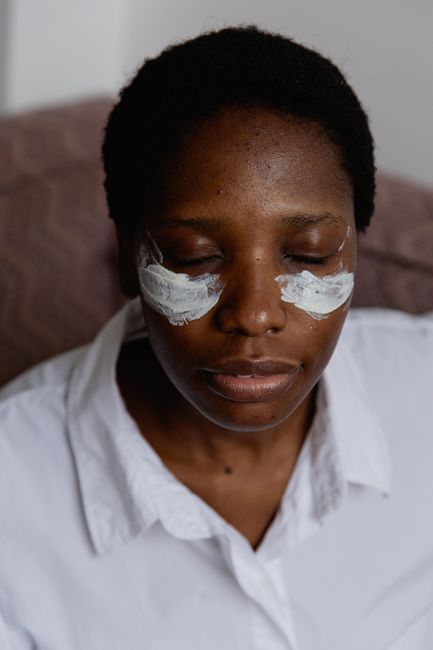
- Makeup removed and skin cleansed; numbing cream for about 30–40 minutes.
- Skin disinfected; doctor sets needle depth by area, usually deeper on scarred cheeks and shallower near eyes.
- Microneedling in several passes, followed by booster injections or a sterile booster application.
- Calming step such as a cooling mask or LDM ultrasound; sunscreen once the doctor approves.
Recovery and results timeline
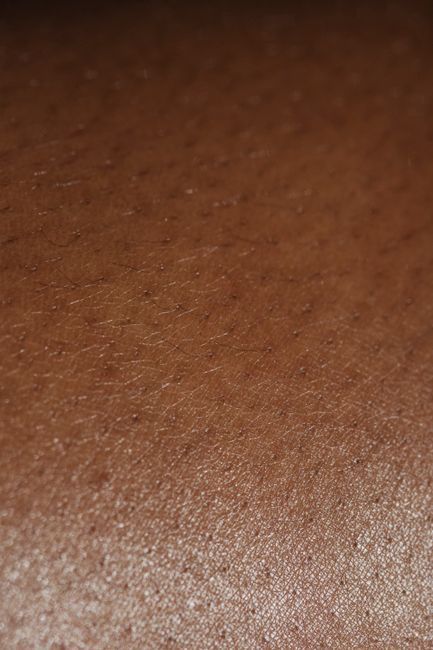
Immediately afterwards, skin looks pink to red and feels warm and tight, a bit like a mild sunburn. Pinpoint bleeding stops within minutes. Redness usually fades over one to three days; booster injections can add small bumps for a day or two, and bruising is possible.
Hydration and glow often show within a week, but collagen remodelling takes longer. Most people see clearer improvement in pores and texture after two or three sessions, and the best result two to three months after the last one. Realistically, mild scars become shallower and less noticeable rather than disappearing.
Microneedling + booster versus other options
The table compares microneedling with a booster against other popular texture treatments at Korean clinics. In practice, doctors often combine them over a course: for example Pico Fraxel one month and microneedling with a booster the next, or subcision for tethered scars followed by remodelling treatments. For pores specifically, see our large pores guide.
| Option | How it works | Downtime | Best for |
|---|---|---|---|
| Microneedling + booster | Needle channels plus dermal hydration | 1–3 days redness | Pores, texture, mild scars |
| Booster injections alone | Microdroplets placed in dermis | Bumps hours–2 days | Hydration, glow, fine lines |
| RF microneedling | Needles deliver heat at depth | 2–5 days | Scars, pores, mild laxity |
| Pico Fraxel | Fractional picosecond laser | 1–3 days; dots ~1 week | Scars, pores, scattered pigment |
| Subcision | Releases tethered scar bands | Bruising up to 1–2 weeks | Rolling, tethered acne scars |
Aftercare and travel planning
For visitors to Seoul, plan the session at least two to three days before important photos and ideally a few days before a long-haul flight, so you can be checked if anything unusual happens. A course of several sessions can be split across trips, with your local doctor continuing using the record we provide; see our first visit guide for planning tips.
- Day 1: gentle cleanser and plain moisturiser only; no makeup for about 24 hours.
- Avoid retinoids, acids, scrubs and vitamin C for about five to seven days.
- Use a broad-spectrum sunscreen and a hat; treated skin burns more easily.
- Skip saunas, swimming pools, hot yoga and hard exercise for 48 hours.
- Do not pick at flaking skin; let it shed naturally.
- Contact the clinic if you notice pus, increasing pain, spreading redness or fever.
Risks and cost factors
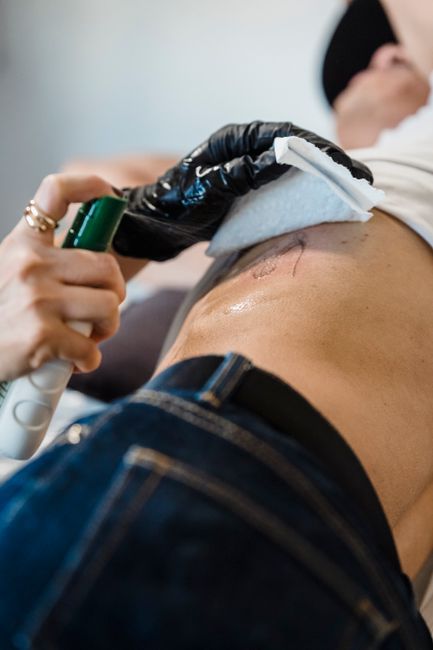
Common side effects are temporary redness, swelling, flaking and small bumps or bruises. Less common risks include infection, cold sore reactivation, acne flares, post-inflammatory hyperpigmentation and, rarely, scarring or granulomas — the last mainly with non-sterile products. A doctor-led setting, sterile technique and honest medical history keep these risks low.
Cost depends on the number of sessions, the area treated, the needle device, and which booster is used, since PN and collagen-stimulating boosters cost more than simple HA. We give a personal written quote after consultation; our prices and payment guide explains how quotes and payment work. For a gentler glow-focused option, read about the glass skin package with a skin booster.
Frequently asked questions
Is microneedling with a skin booster painful?
With numbing cream, most people feel scratching or vibration rather than pain. Booster injections add brief stings. Sensitive areas such as the upper lip can feel stronger.
How many sessions do I need?
Usually three to five sessions about four weeks apart, then maintenance once or twice a year depending on your skin and goals.
How long is the downtime?
Redness typically lasts one to three days. Fine flaking can follow for a few days. Most people return to normal activities the next day with sunscreen.
Which booster is best with microneedling?
HA suits dehydration and dullness; PN or PDRN suits repair, texture and scars; collagen stimulators suit elasticity. A doctor chooses based on your skin.
Can it treat acne scars?
It helps mild rolling and shallow boxcar scars. Deep ice-pick or tethered scars usually need subcision, TCA CROSS or fractional laser as well.
Is it safe for Asian or darker skin?
Generally yes when done carefully, as it does not target pigment with heat. Sun protection afterwards is important to reduce the risk of dark marks.
Can I fly after microneedling?
Usually yes after a day or two. Moisturise during the flight and avoid touching your face. Ideally allow a few days in Seoul for any check-up.
Related treatments and guides
Keep reading
- Acne Scar Laser + Rejuran
- Glass Skin Package + Skin Booster
- Pico Laser + Rejuran in Myeongdong
- Skinvive vs Rejuran Korea
- Acne Scar Consultation in Myeongdong
Ask a doctor about microneedling with a skin booster
Send a photo and your travel dates on WhatsApp (+82-10-3086-4084). English replies, a personal plan and a written quote before you fly.
Sources
- American Academy of Dermatology – Microneedling can fade scars, uneven skin tone, and more
- Cleveland Clinic – Microneedling: What It Is, Benefits, Side Effects & Recovery
- Microneedling in Dermatology: A Comprehensive Review of Applications, Techniques, and Outcomes (PMC, 2024)
- Rho NK et al. Injectable "Skin Boosters" in Aging Skin Rejuvenation: A Current Overview. Archives of Plastic Surgery, 2024 (PMC)