Acne Scar Laser + Rejuran
Quick answer
Combining an acne scar laser with Rejuran pairs fractional resurfacing — such as Pico Fraxel or other fractional lasers that remodel scar collagen — with polynucleotide (PN) injections that support tissue repair and skin quality. Doctors often use the laser first and Rejuran in the same session or one to two weeks later. Most people need three to five sessions about four weeks apart and can expect scars to look roughly 30–60% better, not erased. At Obliv, between Myeongdong and Jongno in Seoul, a doctor first identifies each scar type.
Key takeaways
- Treat scars only once active acne is controlled; new breakouts create new scars.
- Fractional laser remodels collagen in the scar; Rejuran (PN) supports repair, hydration and texture.
- Different scar types need different tools — tethered scars often need subcision, ice-pick scars TCA CROSS.
- Downtime is usually one to five days of redness and fine dots or crusting, depending on the laser.
- Expect gradual improvement over three to six months, with sun protection to avoid dark marks.
Why acne scars form and why they are hard to treat
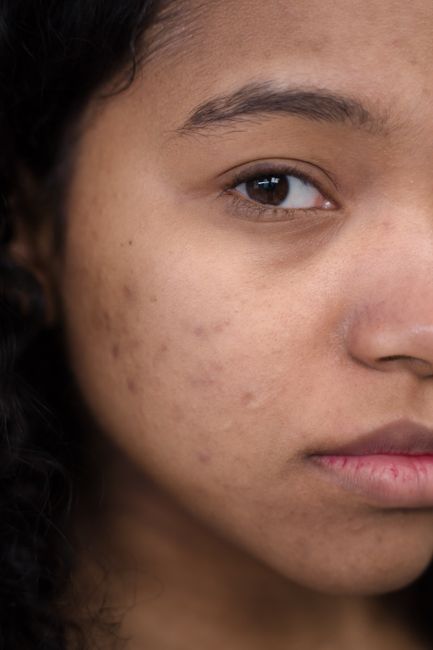
Acne scars form when deep inflammation damages the collagen framework of the skin. As the area heals, the body either makes too little new collagen, leaving a depression (atrophic scar), or too much, leaving a raised scar. Most facial acne scars in Asian and international patients are atrophic: rolling, boxcar and ice-pick scars, often mixed together on the same cheek.
Because scars sit in the dermis and are partly held down by fibrous bands, surface treatments alone rarely change them. Effective treatment remodels collagen at depth, sometimes releases tethered bands, and protects the skin while it heals. Organisations such as the American Academy of Dermatology emphasise that most people need a combination of treatments and that results are an improvement rather than complete removal.
It is also important to separate true scars from post-acne marks : flat red or brown discolouration that often fades with time, sun protection and gentle treatment. Our acne and breakouts guide covers controlling active acne first.
How laser and Rejuran work together
A fractional laser delivers energy in a grid of microscopic columns, leaving healthy skin between them so healing is faster. The controlled injury stimulates new collagen and gradually lifts the floor of depressed scars. Pico Fraxel uses ultra-short picosecond pulses through a fractional lens, which tends to cause less heat and downtime; other fractional lasers can go deeper with more recovery.
Rejuran is a polynucleotide (PN) booster made from purified salmon DNA fragments. Injected into the dermis, PN is thought to support fibroblast activity, hydration and tissue repair. Rejuran S is a denser formulation used specifically for scars. Reviews of polynucleotides in aesthetic medicine report improvements in skin quality and texture, though high-quality trials specific to acne scars are still limited.
Used together, the laser drives remodelling while the booster supports the healing environment. Many doctors find this improves comfort and the look of the surrounding skin, which makes scars less noticeable overall.
Matching treatment to scar type
No single device treats every scar. The table summarises how doctors usually match tools to scar types and where Rejuran fits. At Obliv near Myeongdong and Jongno, a doctor maps your scars using the Skin Architecture method, then builds a plan that may include laser, Rejuran, subcision or TCA CROSS, and sometimes collagen boosters such as Juvelook.
| Scar type | What it looks like | Main tool | Rejuran role |
|---|---|---|---|
| Rolling | Soft, wave-like dips | Subcision + fractional laser | Supports healing and quality |
| Boxcar (shallow) | Flat-bottomed, defined edges | Fractional or pico laser | Improves surrounding texture |
| Boxcar (deep) | Steep walls, deeper base | Laser plus TCA CROSS or punch | Adjunct only |
| Ice-pick | Narrow, deep pits | TCA CROSS | Limited |
| Post-acne marks | Flat red or brown marks | Vascular or pigment laser, time | Calming, barrier support |
Ask a doctor about acne scar laser with Rejuran
Send a photo and your travel dates on WhatsApp (+82-10-3086-4084). English replies, a personal plan and a written quote before you fly.
Who is a good candidate
The best candidates have atrophic scars, acne that has been under control for a while, and enough time for a course of treatments. Skin tone matters: Asian and darker skin can develop post-inflammatory hyperpigmentation after laser, so settings are adjusted, test areas may be used, and pre- and post-treatment pigment care is common.
Tell the doctor about isotretinoin, a tendency to keloids, cold sores, blood thinners and any fish allergy, since Rejuran is derived from salmon DNA.
What a session looks like
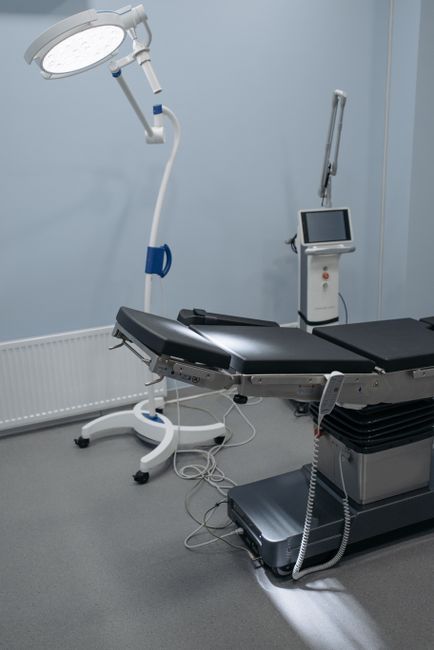
A combined session usually takes 60–90 minutes including numbing. Laser feels like warm snapping; Rejuran stings more than hyaluronic acid boosters. All settings and products go into your Skin Library record so each session builds precisely on the last.
- Consultation, scar mapping and photos; plan and written quote agreed.
- Numbing cream for about 30–40 minutes; eye protection fitted.
- Fractional or pico laser passes over scarred areas at doctor-set settings.
- Rejuran injected into the dermis of scarred zones, the same day or at a separate visit.
- Cooling and calming care; sunscreen once approved; aftercare instructions in English.
Recovery and results timeline
After pico fractional laser, most people have redness for one to three days and tiny dots that flake over about a week. Deeper fractional lasers can mean several days of crusting. Rejuran leaves small bumps for one to two days and occasional bruising. Most people return to work within a day or two, with sunscreen and simple skincare.
Scar improvement is gradual. Some smoothing appears within weeks, but collagen remodelling continues for months, so the final result is best judged about three months after the last session. A realistic expectation for mixed atrophic scars is about 30–60% improvement after a full course, varying with scar depth and type.
Aftercare and planning a course in Seoul
Because sessions are about four weeks apart, many visitors split the course across trips, or start in Seoul and continue at home with the written record we provide. Ideally avoid strong sun holidays immediately after laser. Read our acne scar consultation guide and Pico laser plus Rejuran for related options.
- Use a gentle cleanser and a bland, fragrance-free moisturiser for the first week.
- Apply broad-spectrum SPF 30+ every day and wear a hat outdoors.
- Avoid retinoids, acids and scrubs for about a week, or as advised.
- Do not pick at flakes or crusts; this raises the risk of marks.
- Skip saunas, swimming and hard exercise for 48 hours.
- Report increasing pain, pus, spreading redness or blistering promptly.
Risks and cost factors
Possible side effects include redness, swelling, temporary darkening (post-inflammatory hyperpigmentation), acne flares, cold sore reactivation and, rarely, infection, blistering or new scarring. Rejuran can cause bumps, bruising and, rarely, allergic reactions. A doctor-led plan with appropriate settings, pigment precautions and sun protection reduces these risks.
Cost depends on the area, the laser type, the number of sessions, whether Rejuran or Rejuran S is used and how much, and whether subcision or TCA CROSS is added. We give a personal written quote after consultation; see prices and payment. If you are comparing boosters, our article on Skinvive vs Rejuran explains the differences.
Frequently asked questions
Can laser and Rejuran be done on the same day?
Often yes. Many doctors do the laser first and Rejuran afterwards, or space them one to two weeks apart depending on skin sensitivity and laser depth.
How many sessions will I need for acne scars?
Usually three to five combined sessions about four weeks apart. Deep or tethered scars may also need subcision or TCA CROSS.
Will my acne scars disappear completely?
Usually not. Most people see scars become shallower and less noticeable, often around 30–60% improvement after a full course.
Is it safe for Asian skin?
Yes, with careful settings. Asian skin has a higher risk of temporary darkening after laser, so doctors adjust energy and recommend strict sun protection.
What is Rejuran S?
A denser polynucleotide formulation of Rejuran designed for acne scars, injected more precisely into scarred areas than the standard Healer version.
How long is the downtime?
Typically one to five days of redness, fine dots or crusts depending on the laser, plus one to two days of small Rejuran bumps.
Can I start treatment while I still get breakouts?
It is better to control active acne first. A doctor can treat breakouts and post-acne marks before beginning scar remodelling.
Related treatments and guides
Keep reading
- Acne Scar Consultation in Myeongdong
- Pico Laser + Rejuran in Myeongdong
- Microneedling + Skin Booster Korea
- Best Acne Laser Near Jongno
- Hyperpigmentation After Acne Treatment Korea
Ask a doctor about acne scar laser with Rejuran
Send a photo and your travel dates on WhatsApp (+82-10-3086-4084). English replies, a personal plan and a written quote before you fly.
Sources
- American Academy of Dermatology – Acne scars: Consultation and treatment
- DermNet – Acne scarring
- Comparison of 1064-nm picosecond laser with fractional micro-lens array vs. ablative fractional Er:YAG for atrophic acne scars in Asians (Frontiers in Medicine, 2023)
- Lee KWA et al. Polynucleotides in Aesthetic Medicine: A Review of Current Practices and Perceived Effectiveness. Int J Mol Sci, 2024