Skin concerns · Eye area
Dark Circles & Under-Eye Treatment in Myeongdong & Jongno, Seoul
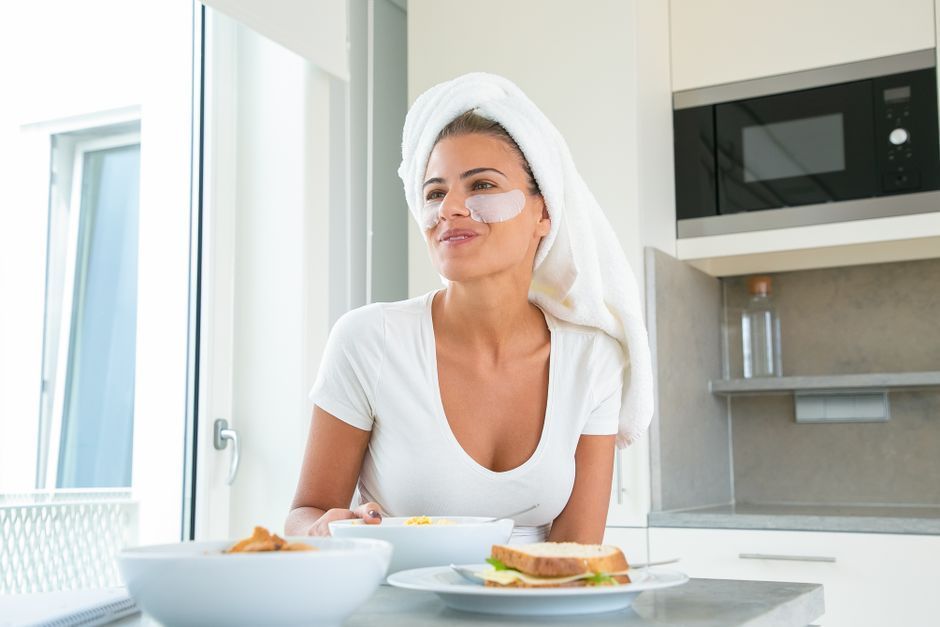
Dark circles are rarely one problem. At Obliv Clinic Seoul Origin a doctor first works out whether yours come from pigment, visible vessels, a hollow or loose skin, then treats each cause in the layer where it lives.
Quick answer
Dark circles are shadowing or discolouration under the eyes caused by one or more of four things: extra pigment (brown tone), visible blood vessels through thin skin (blue-purple tone), a hollow tear trough that casts a shadow, or lax, crepey or puffy lower-lid skin. Most adults have a mixed type. At Obliv near Myeongdong and Jongno, Seoul, a doctor identifies your type by examination and Mark-Vu imaging; plans usually involve 2–4 sessions over 1–3 months, with gradual rather than overnight improvement.
Key takeaways
- There are four main types of dark circles — pigmented, vascular, structural (hollow) and laxity — and the right treatment depends entirely on which ones you have.
- Brown, pigment-led circles respond best to gentle laser and brightening care such as pigmentation treatment; aggressive settings can make Asian and darker skin darker.
- Blue-purple circles from thin skin improve when the dermis is thickened with boosters like Rejuran, not by bleaching creams.
- Tear-trough filler can soften a true hollow, but it is a high-skill area with risks such as swelling and a bluish Tyndall tint; it is not right for puffy bags.
- One-sided swelling, eye bulging, pain or any change in vision is not a cosmetic issue — see an eye doctor promptly.
What causes dark circles under the eyes?
The skin under the eye is among the thinnest on the body, often well under a millimetre, and it sits over a complex area of muscle, fat pads, ligaments and a dense network of small veins. Anything that changes the colour of that skin, makes the vessels underneath more visible, or alters the contour so light falls unevenly will read to the eye as a "dark circle". That is why the same word covers several quite different problems, and why a cream that helps one friend does nothing for you.
Recognised contributors include inherited traits (dark circles clearly run in families, especially in people of Asian, South Asian and Middle Eastern heritage), natural ageing of the skin and fat pads, sun exposure, eczema and contact dermatitis, hay fever with frequent eye rubbing, pigment conditions such as melasma or post-inflammatory hyperpigmentation, and lifestyle factors like smoking, heavy alcohol use and poor sleep. Tiredness rarely creates circles on its own, but it makes skin paler and puffier, so existing shadows stand out more.
For international visitors there is often a travel layer on top: long-haul flights, dry hotel air, late nights and salty food all worsen fluid retention and dullness for a few days. If you have just landed in Seoul, we may suggest waiting 48 hours before judging the baseline. Our guide to recovering skin after a 15-hour flight explains what settles by itself.
The four types of dark circles
Dermatology reviews commonly sort periorbital darkening into pigmented, vascular, structural and mixed types. In clinic we add a fourth practical category, laxity, because crepey, loose lower-lid skin behaves differently from a pure hollow. Using the Obliv Skin Architecture method, each type maps to a skin layer, which tells us what kind of energy, product and depth will actually reach it.
- Pigmented (brown) circles — extra melanin in the epidermis and sometimes the upper dermis. Typically brown or grey-brown, often extending onto the upper lid, common in medium and darker skin tones and after long-term rubbing or eczema.
- Vascular (blue, purple or pink) circles — a thin, translucent dermis lets the venous network and the dark orbicularis muscle show through. Often worse in the morning, in cold light or after poor sleep.
- Structural (shadow) circles — a tear-trough groove or a lid–cheek junction that drops away, so overhead light casts a shadow. The skin colour itself may be normal.
- Laxity and puffiness — thin, crinkly skin with fine lines, and sometimes fat that bulges forward as eye bags, creating a shadow directly beneath.
- Mixed — by far the most common picture in adults, for example mild pigment plus a hollow, or thin skin plus early bags.


How a doctor tells the types and look-alikes apart
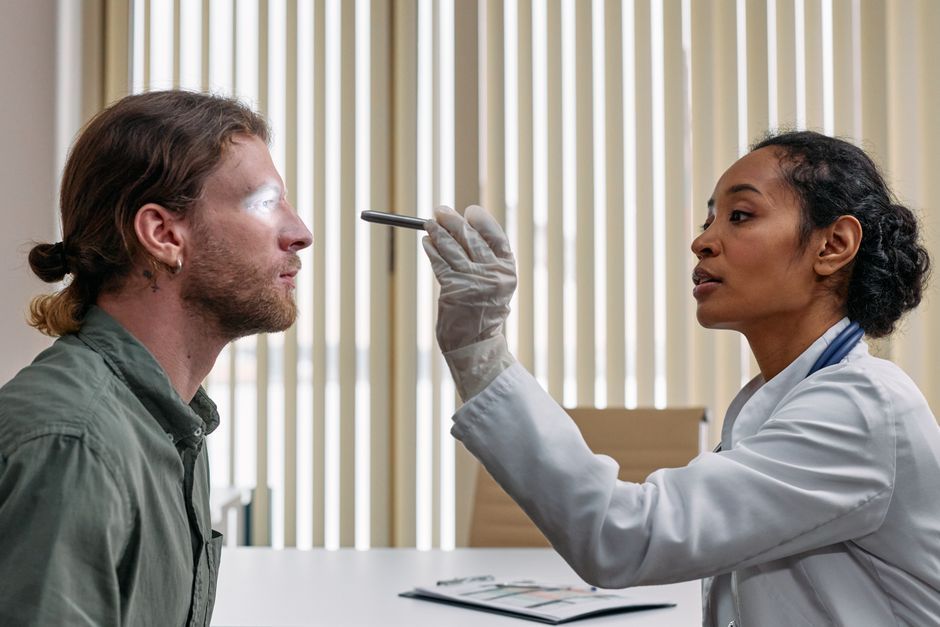
Good results start with a correct diagnosis, so the first part of your visit is examination rather than selling a package. Your doctor looks at the area in different light, with your head upright and tilted, and performs a few simple tests. Gently stretching the skin is the most useful: pigment stays the same colour when stretched, whereas vascular darkening fades a little and a structural shadow disappears almost completely. Pressing lightly can show how much is fluid, and asking you to look up reveals whether fat bulges forward.
Mark-Vu skin analysis images help separate brown pigment from redness and vessels, and they give a baseline we save in your Skin Library record so progress is measured, not guessed. We also ask about allergies, eczema, eye rubbing, contact lenses, sleep, thyroid problems and medications, because several medical conditions can look like ordinary dark circles.
Common look-alikes include allergic shiners from hay fever or dust allergy, eyelid eczema or contact dermatitis (often from eye make-up, lash glue or skincare), malar oedema and festoons (fluid bags on the upper cheek), and puffiness from thyroid eye disease or kidney problems. These need different treatment, and lasers or fillers can make some of them worse. The chart below summarises the signs we look for, and the situations where we refer you to an ophthalmologist or your own doctor instead.
Ask a doctor about Dark Circles & Under-Eye
Send a photo and your travel dates on WhatsApp (+82-10-3086-4084). English replies, a personal plan and a written quote before you fly.
Dark circle treatment options compared
Because each type lives in a different layer, no single machine or injection treats all dark circles. A typical Obliv plan combines one surface treatment and one deeper treatment, chosen after diagnosis. The table summarises the options our doctors use most for the under-eye area and which type each suits; links lead to the full treatment pages with timing, risks and aftercare.
| Option | Best for type | How it works | Typical course | Points to know |
|---|---|---|---|---|
| Pigmentation laser/ brightening toning | Pigmented (brown) | Low-energy laser breaks up excess melanin | 3–6 sessions, 2–4 weeks apart | Settings must be gentle to avoid rebound darkening |
| Pico Fraxel | Pigment plus crepey texture | Picosecond fractional energy refines texture and pigment | 2–4 sessions, about 4 weeks apart | Short redness; strict sunscreen afterwards |
| Rejuran (PN)/ salmon DNA | Vascular and thin skin | Polynucleotide injections support dermal repair and thickness | 2–3 sessions, 2–4 weeks apart | Small bumps for a day or two; possible bruising |
| Skin booster/ Skinvive/ exosome | Dull, dehydrated, fine-lined skin | Micro-droplet hydration and regenerative support | 1–3 sessions, then maintenance | Gentle option for first-timers |
| HA filler/ Juvelook | Structural (hollow tear trough) | Soft filler or collagen stimulator restores lost support | 1 session plus review; Juvelook 2–3 | Not for puffy bags; risks include swelling and Tyndall tint |
| Thermage Eye/ laser lifting | Laxity and crepey lids | Monopolar RF heats the dermis to tighten collagen | Usually 1 session; results build 2–6 months | Mild tightening, not a surgical lid lift |
Treating pigmented dark circles
Brown circles are driven by melanin, so the goal is to reduce excess pigment without triggering more. Asian, South Asian and darker skin types make pigment readily in response to heat and inflammation, which means the strongest laser is rarely the best laser. We generally start with low-fluence pigmentation laser or brightening toning at gentle settings, spaced two to four weeks apart, and adjust based on how your skin responds rather than pushing for a fast result.
Where pigment sits alongside crinkly texture, a picosecond fractional laser such as Pico Fraxel can refine both, with only brief redness. Topical support matters just as much: a doctor may suggest a brightening routine with ingredients such as vitamin C, niacinamide, azelaic acid or tranexamic acid, and in selected cases short supervised courses of prescription lighteners. Over-the-counter bleaching creams bought online, especially products with undisclosed steroids or mercury, are a common cause of thin, damaged under-eye skin; please bring anything you are using to your consultation. Pigment linked to melasma or rubbing also needs the trigger addressed.
Treating vascular circles and thin skin
Blue or purple circles are less about colour in the skin and more about what you can see through it. Lightening products do little here. Instead, the aim is to make the dermis thicker, more hydrated and more opaque, so the vessels and muscle beneath are better hidden. This is where injectable boosters are most useful.
Rejuran and other polynucleotide (PN) or PDRN products, sometimes called salmon DNA injections, are widely used in Korean clinics for the under-eye area, with dedicated eye formulations placed in tiny amounts just under the skin. Most patients have two or three sessions a few weeks apart. Hydrating options such as a skin booster or Skinvive improve water content and fine lines, and topical exosome therapy after a gentle laser can calm and support the barrier.
Expect small bumps for a day or two, and possible bruising, which is more likely under the eye than elsewhere because of the rich blood supply. Results build gradually over two to three months. If redness rather than blue tone is your main issue, our page on redness and sensitive skin covers vascular lasers and barrier care.
Hollows and tear troughs: when filler helps, and when it doesn't
A true tear-trough hollow is a volume and support problem, so it can be softened by restoring support beneath it. A small amount of soft hyaluronic acid (HA) dermal filler, placed deep with a fine cannula, or a gradual collagen stimulator such as Juvelook in carefully selected patients, can reduce the shadow. Sometimes the better answer is treating the cheek just below, which lifts support for the whole lid–cheek junction with less product near the eye.
The tear trough is also one of the most technically demanding areas in aesthetic medicine. Recognised problems include lumps, a bluish Tyndall effect when product sits too superficially, and delayed malar swelling that can appear months or even years later as HA attracts water. Like all facial filler, there is a rare risk of vascular occlusion. HA fillers can be dissolved with hyaluronidase, which is one reason our doctors prefer them over permanent products in this area.
Filler is not a treatment for puffy eye bags caused by fat bulging forward; adding volume there usually makes the area look heavier. Prominent bags, significant excess skin or festoons are often best assessed by an oculoplastic or plastic surgeon for lower blepharoplasty. We will tell you honestly if surgery would serve you better than a series of non-surgical treatments.
Crepey under-eye skin and laxity
When the main complaint is fine, crinkly lines and skin that looks like tissue paper when you smile, the dermis has lost collagen and elastin. Here the aim is gentle tightening and collagen renewal rather than volume. Thermage Eye uses monopolar radiofrequency with a dedicated eye tip, and protective eye shields, to heat the dermis of the upper and lower lids. Many people see a subtle firming that develops over two to six months.
Fractional laser, including Pico Fraxel at eye-safe settings, can refine crepey texture, and laser lifting or RF across the mid-face helps when the whole area is starting to descend. Boosters are often layered on top for hydration. Crow's feet that only appear when you smile are muscle-driven and respond better to small doses of Botox at the outer eye; our wrinkles and fine lines page explains the difference between dynamic and static lines. Energy devices tighten, but they do not remove excess skin or fat bags; a clear fold of loose lid skin deserves a surgical opinion.
A typical dark circle treatment plan
Most people do best with a short series rather than a one-off. A common pattern for a mixed type is a gentle laser for pigment combined with a booster for thin skin over two or three visits, with filler or tightening considered only once the surface has improved. Visitors staying in Seoul for one or two weeks can usually start the plan and complete later sessions on a return trip, or continue maintenance at home with the written settings from their Skin Library record.
Progress is measured against your first Mark-Vu images and photographs, because subtle changes around the eyes are easy to miss in the mirror. Expect gradual improvement: dark circles with a strong genetic or structural element can usually be softened, but rarely erased completely.
Home care that genuinely helps
Clinic treatments work better and last longer when the daily habits that feed dark circles are addressed. None of these steps is dramatic on its own, but together they make a visible difference within a few weeks, and they protect what you have paid for.
- Stop rubbing. Chronic rubbing from allergies, contact lenses or habit is one of the strongest triggers for brown circles. Treat itch instead of scratching it.
- Protect from the sun. Use a gentle, fragrance-free sunscreen around the eye and wear wraparound sunglasses outdoors — Seoul's spring and summer UV is strong.
- Control allergies. Hay fever, dust-mite allergy and eyelid eczema need proper treatment; ask a pharmacist or doctor rather than relying on concealer.
- Choose simple eye products. Fragrance-free, ophthalmologist-tested formulas; patch-test new products and remove eye make-up gently every night.
- Sleep slightly elevated and limit late salty meals and alcohol if you wake puffy.
- Use a cool compress for morning puffiness; it helps fluid, not pigment or hollows.

Red flags, and booking your under-eye assessment
Most dark circles are harmless and cosmetic, but a few under-eye changes need medical attention first. Please do not book a cosmetic treatment, and seek an eye doctor or your own physician, if you notice any of the signs in the warning box. Circles that appear suddenly alongside marked tiredness, pallor or breathlessness are also worth a general health check, which may include blood tests your home doctor can arrange.
For everything else, the easiest start is a WhatsApp message with photos taken in daylight, facing a window, with no make-up: one straight on, one looking up and one with the head slightly tilted down. Our English-speaking team replies with a likely plan and how many visits it may need, so you can fit sessions around your stay. The clinic sits between Myeongdong and Jongno, about six minutes' walk from Jongno 3-ga and Euljiro 3-ga stations; see the Myeongdong clinic guide for directions.
Frequently asked questions
What is the best treatment for dark circles under the eyes?
There is no single best treatment because dark circles have different causes. Pigmented circles respond to gentle laser and brightening care, thin-skinned vascular circles to boosters such as Rejuran, hollows to carefully placed filler, and crepey skin to tightening such as Thermage Eye. A doctor needs to identify your type first.
Can dark circles be removed permanently?
Most can be improved significantly, but rarely erased permanently, especially when genetics or bone and fat structure play a role. Results last longer when you protect from sun, stop rubbing and keep allergies under control, with occasional maintenance sessions.
How many sessions will I need?
Usually 2–4 sessions over 1–3 months for laser or boosters, with improvement building over 2–3 months. Filler is typically one session plus a review. Your doctor gives a session estimate after examination.
Is tear-trough filler safe?
In experienced hands with soft, dissolvable hyaluronic acid, it is a well-established treatment, but it carries more risk than many areas: bruising, lumps, a bluish Tyndall tint, delayed swelling and, rarely, vascular complications. It is unsuitable for puffy bags. We discuss these risks in detail before any injection.
Do eye creams work for dark circles?
Eye creams can help mild pigment and dryness and make thin skin look smoother, but they cannot fill a hollow or remove fat bags. Ingredients such as vitamin C, niacinamide and retinoids at eye-safe strengths are the most studied. Results take weeks.
Can I treat dark circles during a short trip to Seoul?
Yes. A first laser or booster session needs little or no downtime, so it fits into a city trip. Bruising after injections can last several days, so plan injections early in your stay and avoid them right before important photos.
Are dark circles a sign of a health problem?
Usually not. However, sudden onset, one-sided swelling, bulging eyes, vision changes, or circles with unusual fatigue and breathlessness should be checked by a doctor. Eczema and allergies are common, treatable medical causes.
Do you offer English consultations for under-eye treatment?
Yes. Consultations are available in English, and Chinese or Japanese support can be requested when booking. Message us on WhatsApp at +82-10-3086-4084 with daylight photos before you travel.
Related treatments and guides
From the Obliv Skin Journal
- Recover Your Skin After 15-Hour Flights
- Pico Laser + Rejuran in Myeongdong
- Skinvive vs Rejuran Korea
- Personalized Skin Analysis in Myeongdong Seoul
- Korean Laser for Asian Pigmentation in Seoul
- Thermage Before Traveling Home
Ask a doctor about Dark Circles & Under-Eye
Send a photo and your travel dates on WhatsApp (+82-10-3086-4084). English replies, a personal plan and a written quote before you fly.
Our five physicians plan every treatment by skin layer using the Obliv Skin Architecture method. Last reviewed 2026-10-27. This page is general information, not a diagnosis; your plan is set after an in-person consultation.