Skin Hydration Treatments After Long Flights to Korea

Quick answer
After a long flight to Korea, the most effective skin hydration treatments are gentle ones: a hydrating clinic facial or LDM ultrasound to calm the barrier, then hyaluronic acid skin boosters or Skinvive for deeper, longer-lasting moisture if you have a few days. At Obliv Clinic Seoul Origin between Myeongdong and Jongno, we usually suggest resting the first night, then booking a low-downtime hydration treatment on day two, and saving lasers or peels until your skin feels comfortable again.
Key takeaways
- Cabin air is much drier than most homes, so tightness, flaking and dullness after a long-haul flight are common and usually temporary.
- Give your skin one night of simple care first: water, a bland moisturiser and sleep.
- Surface hydration (facials, LDM) works the same day; injectable boosters such as hyaluronic acid or Skinvive build deeper moisture over days to weeks.
- Avoid strong lasers, peels and new active products until the barrier has recovered.
- Leg swelling, calf pain or breathlessness after a flight is a medical issue, not a skin one: get checked promptly.
Why long flights leave your skin dehydrated
Air on a long-haul flight is drawn from outside at high altitude and is much drier than the air most of us live in. Over ten or more hours, the outer layer of the skin loses water faster than it can be replaced, so many travellers land in Seoul with tight cheeks, a dull tone, fine dehydration lines and sometimes flaking around the nose.
Other parts of the journey add to it: little sleep, salty airline meals, alcohol, recycled air on the face from the overhead vent and makeup worn for many hours. People with naturally dry skin, eczema or rosacea often notice the effect most. The good news is that this kind of dehydration is usually temporary and responds well to simple care and gentle treatments.
Dehydration is different from dry skin type. Dehydrated skin lacks water and can still be oily; dry skin lacks oils. Our dull and dehydrated skin guide explains how doctors tell them apart.
Your first night in Seoul
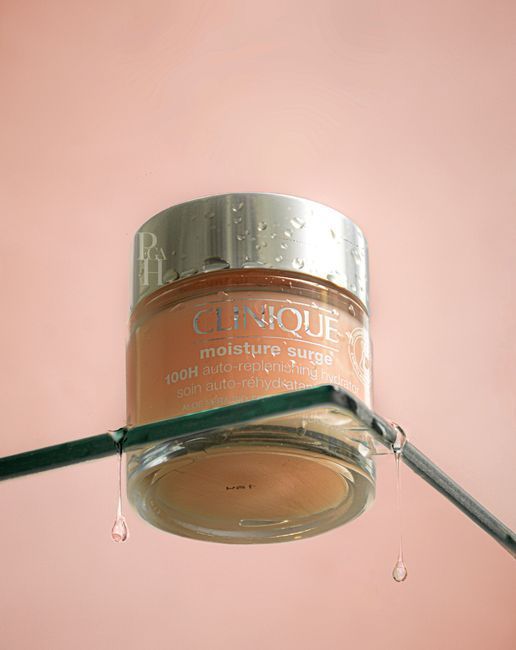
Resist the temptation to fix everything on the first evening. Strong exfoliants, retinoids and peel masks can sting skin whose barrier is already stressed. Instead, cleanse gently with lukewarm water, apply a bland, fragrance-free moisturiser while the skin is still slightly damp, use lip balm and drink water. The American Academy of Dermatology recommends exactly this kind of gentle routine for dry, irritated skin.
Hotel rooms in Seoul can be dry too, especially in winter when heating is on. A humidifier, if your hotel offers one, or a bowl of water near the bed can help a little. Sleep is the most underrated treatment of all after a long flight.
- Cleanse with a mild, non-foaming cleanser and lukewarm water.
- Moisturise within a few minutes of washing; reapply if skin feels tight.
- Skip new products bought on the first day until you have patch-tested them.
- Keep showers short and not too hot.
In-clinic hydration options
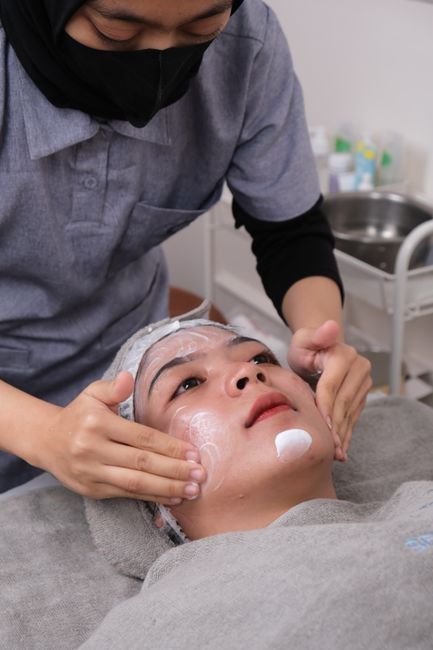
Clinic hydration falls into two broad groups. Surface treatments, such as a hydrating medical facial or LDM ultrasound skin regeneration, cleanse, calm and help the skin hold water. They have no downtime and are ideal on day two of a trip. You may see Hydrafacial-style vortex cleansing advertised in Seoul; if that is what you are looking for, ask us on WhatsApp whether it is available at the Myeongdong branch or what we would suggest instead.
Injectable boosters work deeper. A hyaluronic acid skin booster places tiny amounts of HA in the dermis, where it binds water for weeks. Skinvive is a microdroplet HA injectable approved by the US FDA to improve cheek smoothness. Rejuran uses polynucleotides and suits thin, stressed or sensitive skin that needs repair as much as moisture.
The table compares the main options by how they hydrate, downtime and how long the effect usually lasts.
| Option | How it hydrates | Typical downtime | How long it lasts |
|---|---|---|---|
| Hydrating clinic facial | Cleansing, serums, masks on the surface | None | Days |
| LDM ultrasound | Calms barrier, supports water retention | None | Days; better in a series |
| HA skin booster | Tiny hyaluronic acid deposits in the dermis | Small bumps, hours to 1–2 days | Weeks to months |
| Skinvive | Microdroplet HA for cheek smoothness | Bumps or swelling, 1–2 days | Months |
| Rejuran (PN) | Supports repair of thin, stressed skin | Visible bumps 1–2 days | Builds over a series |
Ask a doctor about skin hydration after a long flight
Send a photo and your travel dates on WhatsApp (+82-10-3086-4084). English replies, a personal plan and a written quote before you fly.
Is your skin ready for treatment?
Most travellers with flight-related dehydration can safely have gentle hydration treatments. The checklist on the right lists situations where it is better to wait, treat something else first, or see a doctor about a different problem.
An eczema flare, sunburn from a beach stopover or a cold sore changes the plan: injections or energy treatments over inflamed or infected skin can make things worse. Tell us about any of these on WhatsApp before you come, and we will suggest a safer order.
A realistic hydration timeline
Surface hydration shows almost immediately but fades over a few days. Injectable boosters take a little longer: small bumps settle within a day or two, and the smoother, plumper look usually builds over the following two to four weeks as the product integrates. That is why we often suggest an LDM or facial early in the trip and a booster a few days later, if you are staying long enough.
If you are only in Seoul for a weekend, one gentle session is still worthwhile. If you want long-lasting improvement, ask about a booster series; your Skin Library record lets you continue it on a future visit or with your own clinic at home.
What a hydration visit looks like
A physician first checks your skin and history, including allergies, medicines and any recent treatments, and Mark-Vu imaging shows how dehydration, redness and texture look under the surface. We then suggest one or two options that fit your schedule, explaining downtime in plain language.
For injectable boosters, numbing cream is applied for about 20 to 40 minutes. The injections themselves take around 15 to 30 minutes, followed by a calming mask. Afterwards, avoid makeup for a few hours if possible, skip saunas and hot yoga for a day or two, and keep using a simple moisturiser and sunscreen. Our first-visit guide covers the visit step by step.
Hydration from the inside: does an IV drip help?
Some travellers ask for an IV drip after a long flight. A drip can rehydrate you if you are genuinely dehydrated and may help you feel more comfortable, but evidence that vitamin infusions improve skin hydration directly is limited. Drinking water, eating normally and sleeping well do most of the work for healthy adults.
We see a drip as an optional comfort measure rather than a skin treatment, and a doctor will check whether it is suitable for you, particularly if you have heart or kidney conditions or take certain medicines.
Planning your trip around hydration
If glowing skin is a priority for your Seoul trip, message us before you fly with your arrival time, how long you are staying and any events or photos you have planned. We can place hydration treatments where they do the most good and fit around sightseeing.
For related reading, see our guides to recovering skin after 15-hour flights and dry hotel air skin recovery.
Frequently asked questions
How soon after landing can I have a skin booster?
Usually from the second day, once you have slept and your skin feels calm. Booking straight off a long flight is possible but rarely gives the best result.
What is the difference between a hydrating facial and a skin booster?
A facial hydrates the surface for a few days with no downtime. A booster places hyaluronic acid or other ingredients in the skin, giving deeper hydration that lasts weeks or months.
Is Skinvive the same as a regular skin booster?
Skinvive is a specific microdroplet hyaluronic acid injectable approved by the US FDA for cheek smoothness. Other boosters use different products and techniques.
Do you offer Hydrafacial?
Ask us on WhatsApp whether a Hydrafacial-style treatment is available at the Myeongdong branch, or we can recommend a similar hydrating option.
Will boosters leave marks?
Small bumps or occasional pinpoint bruises are common and usually settle within a day or two. Plan important photos a few days later if you can.
Should I use sheet masks every day after a flight?
A simple, fragrance-free mask can feel soothing, but daily masks are not necessary. A gentle moisturiser used consistently matters more.
Can I have a laser on my first day?
We usually advise waiting until dehydration and sensitivity have settled, because stressed skin is more likely to react to lasers and peels.
Related treatments and guides
Keep reading
- Recover Your Skin After 15-Hour Flights
- Dry Hotel Air Skin Recovery
- Jet Lag Face Recovery Program
- Jet Lag Recovery Facial + IV Therapy Nearby
- Skinvive vs Rejuran Korea
Ask a doctor about skin hydration after a long flight
Send a photo and your travel dates on WhatsApp (+82-10-3086-4084). English replies, a personal plan and a written quote before you fly.
Sources