Pico Laser + Rejuran in Myeongdong

Quick answer
Pico laser and Rejuran are often combined because they solve different problems. A picosecond laser breaks up excess pigment and evens tone in the upper skin, while Rejuran (polynucleotide injections) supports repair and hydration in the dermis, helping skin look healthier and calmer between laser sessions. They can usually be done on the same day, laser first. Expect mild redness and small injection bumps for a day or two. At Obliv near Myeongdong, a doctor plans energy, dose and sessions for your skin type.
Key takeaways
- Pico laser targets pigment and tone; Rejuran targets skin quality, hydration and repair.
- The pair suits uneven tone, sun spots, dullness and fine texture, especially in Asian skin.
- Same-day sessions are common: laser first, then Rejuran injections, with a day or two of mild marks.
- Pigment usually needs a series of sessions; Rejuran is commonly given as a short course.
- Strict sun protection is essential, or pigment can return or darken after laser.
What pico laser and Rejuran each do
A picosecond laser delivers energy in pulses lasting trillionths of a second. That speed shatters pigment into very fine particles with less heat than older lasers, so the body can clear them gradually. Depending on the handpiece and settings, it can be used for broad toning across the face, for individual spots, or through a fractional lens for texture, as in Pico Fraxel.
Rejuran is a polynucleotide injectable derived from purified salmon DNA. It does not remove pigment. Instead it is used to support repair, hydration and elasticity in the dermis, which helps skin look smoother and calmer. Reviews of polynucleotides in aesthetic medicine report improvements in texture and skin quality, although larger high-quality trials are still limited.
At Obliv near Myeongdong and Jongno, doctors use the Skin Architecture method: pigment is treated where it sits in the upper skin, and skin quality is treated in the dermis below. Combining the two addresses both the colour and the condition of the skin.
Why combine them for pigmentation and rejuvenation
Many people who want brighter skin have two issues at once: uneven brown pigment and skin that looks thin, dry or tired. Laser alone can even the colour but does little for texture or hydration, while boosters alone improve quality but do not clear spots. Used together, they give a result that looks clearer and healthier rather than simply lighter.
There is also a practical reason. Asian and darker skin types are more likely to develop post-inflammatory hyperpigmentation if the skin is irritated. Doctors therefore favour gentle, repeated laser sessions rather than one aggressive treatment, and supporting the skin barrier and dermis can make that gradual approach easier to tolerate. Our melasma and dark spots guide and hyperpigmentation treatment page explain the options by pigment type.
Which pico approach suits your skin
Pico laser is not one treatment but a family of settings. Low-energy toning is used for diffuse dullness and melasma-prone skin, where the goal is steady improvement without irritation. Spot treatment uses higher energy on individual freckles and sun spots, which darken and flake over about a week. Fractional pico targets texture and pores. Rejuran can be paired with any of them, and doctors sometimes add brightening care for overall tone.
Melasma behaves differently from sun spots. It is driven by hormones, heat and light as well as sun, tends to recur, and can worsen with strong laser. It is usually managed with gentle sessions plus daily sun protection and topical treatment, rather than cleared once. Your doctor will tell you honestly which type you have.
| Option | Main target | Downtime | Sessions | Best for |
|---|---|---|---|---|
| Pico toning | Diffuse pigment, dull tone | Minimal redness | Series of 5–10 | Melasma-prone, uneven tone |
| Pico spot laser | Individual sun spots, freckles | Dark crusts 5–10 days | 1–3 per spot | Defined brown spots |
| Pico Fraxel | Texture, pores, shallow scars | Redness 1–3 days | 3–5 | Texture with pigment |
| Rejuran | Dermal repair, hydration | Bumps ~1 day | Course of about 3 | Thin, tired, sensitive skin |
| Pico + Rejuran | Tone plus skin quality | 1–2 days | Planned together | Pigment with dullness |
Ask a doctor about Pico laser with Rejuran
Send a photo and your travel dates on WhatsApp (+82-10-3086-4084). English replies, a personal plan and a written quote before you fly.
What happens during a combined session
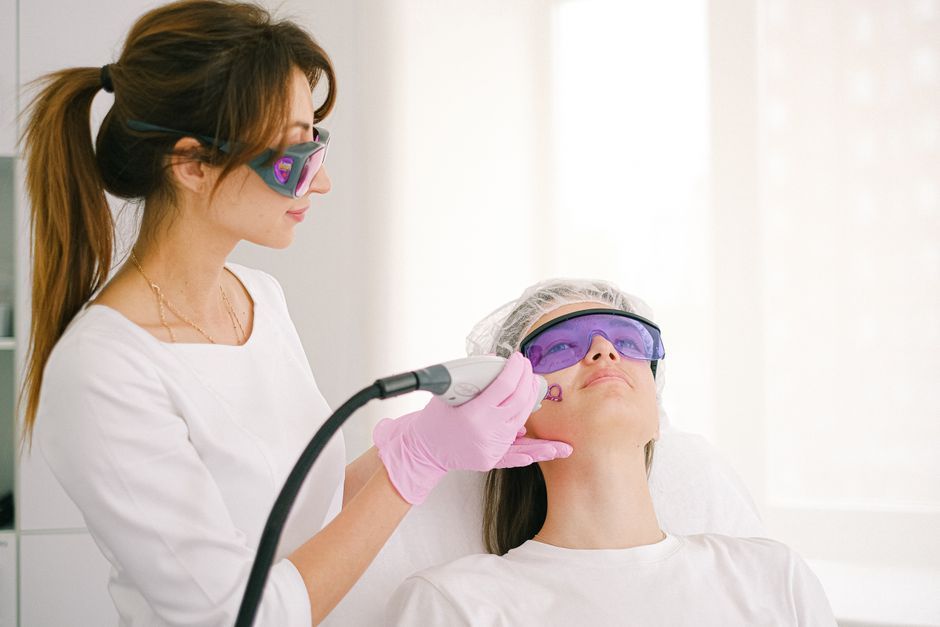
Most combined visits take around one to one and a half hours including numbing. The laser is usually done first so the skin surface is intact and the injected product is not disturbed. Your settings, doses and photos are stored in your Skin Library record, so each following session can be adjusted to how your skin responded.
- Consultation and skin analysis to map pigment type, depth and skin condition.
- Cleanse and apply numbing cream for about 30–40 minutes for the Rejuran step.
- Pico laser with eye protection at doctor-set energy, usually 10–20 minutes.
- Cool and calm the skin, then inject Rejuran in small, even points.
- Soothing care and sunscreen before you leave, with written aftercare.
Who it suits and who should wait
The combination suits adults with freckles, sun spots, uneven tone, post-acne marks or dullness who also want better skin quality. It is popular with visitors to Seoul because both steps have short downtime and fit into a city trip.
It is better to wait if you have a fresh tan, an active skin infection, a cold sore or an eczema flare, or if you are pregnant. Rejuran is derived from salmon, so tell the doctor about any fish allergy. Expect a series of sessions rather than complete clearance in one visit.
Downtime and results timeline
After toning, most people have only mild redness for a few hours. Spot treatment leaves small dark marks or fine crusts that flake off over five to ten days. Rejuran leaves small bumps at injection points that usually flatten within a day, and occasional bruising is possible. Many people return to sightseeing the same day with sunscreen and a hat.
Results build gradually. Skin often looks calmer and more hydrated within two to four weeks after Rejuran, while pigment improves over a series of laser sessions spaced a few weeks apart. Our pico laser vs IPL guide and acne scar laser and Rejuran guide cover related plans.
Aftercare and sun protection in Seoul
Ultraviolet light and heat are the main reasons pigment comes back. Laser-treated skin is more vulnerable for a few weeks, so daily protection matters more than any product. Plan beach or ski trips around your sessions rather than immediately after them. Our best season for pigmentation laser guide explains timing.
- Use broad-spectrum SPF 50 every morning and reapply when outdoors, even on cloudy days.
- Wear a hat and sunglasses while walking around Myeongdong and other outdoor areas.
- Do not pick or scrub flaking spots; let them fall away naturally.
- Avoid saunas, jjimjilbang, hot yoga and alcohol for about a day.
- Use gentle cleanser and moisturiser; pause retinoids and acids for several days.
- Skip massage or pressing on injected areas the same day.
Cost factors and planning your visit
Cost depends on the pico mode and area, the number of laser sessions, the Rejuran amount and number of syringes, and whether a package course is planned. We give a personal written quote after consultation; see our prices and payment guide. Please note that the tourist VAT refund on cosmetic procedures ended on 31 December 2025.
The clinic is about six minutes on foot from Jongno 3-ga and Euljiro 3-ga stations and is open seven days a week. If you are in Seoul for one or two weeks, starting early leaves time for a second laser session or a review before you fly. Send photos on WhatsApp beforehand for an initial plan.
Frequently asked questions
Can pico laser and Rejuran be done on the same day?
Usually yes. Doctors typically perform the pico laser first and then inject Rejuran, so the laser works on intact skin and the injected product is not disturbed.
How many sessions will I need?
It depends on pigment type. Sun spots may improve in one to three sessions, while diffuse tone or melasma usually needs a series. Rejuran is commonly given as a course of about three.
Is pico laser safe for Asian skin?
Yes, when settings are chosen carefully. Short picosecond pulses create less heat, and doctors use conservative energy to lower the risk of post-inflammatory hyperpigmentation.
Will Rejuran remove pigmentation?
No. Rejuran supports skin quality, hydration and repair. Pigment is treated by the laser; Rejuran helps skin look healthier alongside it.
What is the downtime?
Usually a day or two of mild redness and small injection bumps. Spot treatment can leave dark flakes for five to ten days.
Does it hurt?
Pico laser feels like quick snaps on the skin. Rejuran is given after numbing cream, but you may still feel stinging during injections.
Can pigmentation come back?
Yes, especially melasma and sun-related spots, if skin is exposed to sun and heat. Daily sunscreen and occasional maintenance help keep results.
Related treatments and guides
Keep reading
- Pico Laser vs IPL in Seoul Korea
- Acne Scar Laser + Rejuran
- Best Season for Pigmentation Laser in Seoul
- Korean Laser for Asian Pigmentation in Seoul
- Skinvive vs Rejuran Korea
Ask a doctor about Pico laser with Rejuran
Send a photo and your travel dates on WhatsApp (+82-10-3086-4084). English replies, a personal plan and a written quote before you fly.
Sources
- Evolution of the Picosecond Laser: A Review of Literature (Dermatologic Surgery, 2019)
- Lee KWA et al. Polynucleotides in Aesthetic Medicine: A Review of Current Practices and Perceived Effectiveness. Int J Mol Sci, 2024
- American Academy of Dermatology – Melasma: Diagnosis and treatment
- Cleveland Clinic – Hyperpigmentation: What it is, Causes & Treatment