Pico Laser vs IPL in Seoul Korea
Quick answer
Pico laser delivers a single wavelength in trillionths-of-a-second pulses that shatter pigment with little heat, making it a precise choice for freckles, sun spots and some deeper pigment, including in many Asian skin types. IPL (intense pulsed light) is broadband light that heats pigment and small vessels together, useful for lighter skin with mixed brown spots and redness. Melasma needs extra caution with both. At Obliv near Myeongdong and Jongno, Seoul, a doctor chooses after examining your skin.
Key takeaways
- Pico is a laser: one wavelength, ultra-short pulses, precise targeting of pigment with less heat.
- IPL is not a laser: it is filtered broadband light that treats brown spots and redness together.
- In medium or darker skin, including many Asian skin types, pico or gentle laser toning is usually the safer pigment option.
- Melasma can worsen with heat or aggressive settings; it needs a gentle, combined plan rather than a quick fix.
- The right choice depends on diagnosis, skin type, downtime and sun exposure, not on which device is newer.
Two technologies that are often confused
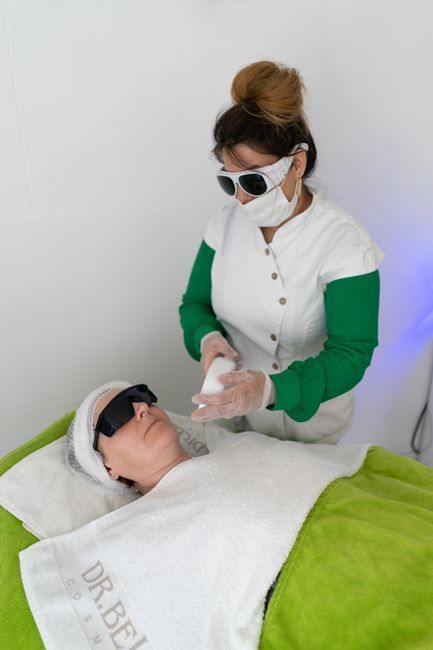
Pico laser and IPL are both used in Seoul for brown spots, and both involve a flash of light and protective eye shields, so they are easy to mix up. Underneath, they are very different tools. A picosecond laser produces a single, precise wavelength in pulses lasting trillionths of a second. Intense pulsed light is not a laser at all: it is a powerful flash of broadband light, filtered to a chosen range, delivered in much longer pulses.
That difference matters most for pigment-prone skin. Because pico works mainly by a pressure (photoacoustic) effect rather than heat, it can break up pigment with less risk of burning or rebound darkening when used conservatively. IPL works by heating its targets, which is efficient in fair skin with sun damage and redness but needs more caution in medium or darker tones.
Side by side: how pico and IPL compare
The table summarises the main differences. Neither is universally better; each suits certain skin types and concerns. Device brands differ too: picosecond lasers are sold under several names, and IPL platforms vary in filters and cooling, so settings and operator experience matter as much as the technology itself.
Reviews in dermatologic literature describe picosecond lasers as effective for many benign pigmented lesions and tattoos, and IPL as a versatile photorejuvenation tool for sun damage and vascular redness in suitable skin types.
| Pico laser | IPL (intense pulsed light) | |
|---|---|---|
| What it is | Laser: one wavelength (often 532, 755 or 1064 nm), picosecond pulses | Filtered broadband light, roughly 500–1200 nm, millisecond pulses |
| How it works | Mainly photoacoustic: shatters pigment into fine particles | Photothermal: heats pigment and blood vessels |
| Best for | Freckles, sun spots, deeper pigment, tattoo ink; toning | Mixed sun damage: brown spots plus redness, mainly lighter skin |
| Skin of colour | Generally safer when settings are conservative | Higher risk of burns and PIH in darker or tanned skin |
| Melasma | Only very gentle low-fluence toning, alongside creams | Often avoided; heat can trigger rebound |
| Typical downtime | Redness hours; small crusts 5–7 days on spots | Redness 1–2 days; spots darken and flake within a week |
Which concerns each treats best
For distinct freckles and sun spots (solar lentigines), both can work. Pico targets each spot precisely; IPL treats a whole area and may also reduce background redness. For deeper dermal pigment such as Hori's nevus, common in East Asian skin, a course of Q-switched or picosecond laser is the usual choice, and IPL is not suitable.
For melasma , caution comes first. Heat and aggressive settings can make melasma darker, so neither pico spot treatment nor standard IPL is a first-line answer. A gentle plan of sunscreen, topical or oral treatment such as tranexamic acid, and low-fluence laser toning is generally safer. Our melasma and dark spots guide explains this in detail.
Ask a doctor about Pico laser vs IPL
Send a photo and your travel dates on WhatsApp (+82-10-3086-4084). English replies, a personal plan and a written quote before you fly.
Asian skin and skin of colour: why it changes the choice
Many visitors to Seoul, and most Korean patients, have skin that tans easily and is prone to post-inflammatory hyperpigmentation . In this skin, the pigment cells that we want to leave alone compete with the spots we want to treat. Treatments that rely on heat, such as IPL at higher settings, have less margin for error, and burns or darker marks are more likely, especially if the skin is tanned.
This is one reason Korean clinics developed the culture of laser toning : repeated low-energy 1064 nm sessions, now often with picosecond devices, to lighten pigment gradually. Our article on Korean lasers for Asian pigmentation goes deeper, and post-acne hyperpigmentation covers PIH specifically.
Who each option suits
As a rule of thumb, pico or laser toning suits pigment-prone and medium-to-darker skin, precise spot work and deeper pigment, while IPL suits lighter, untanned skin with a mix of brown spots and visible redness. Your doctor's examination, ideally with imaging such as Mark-Vu , decides which applies to you.
At the Myeongdong Premium Branch we plan pigment work with picosecond and laser toning options described on our hyperpigmentation page. If you are specifically interested in IPL, ask us on WhatsApp whether it is available at the Myeongdong branch; if it is not the right fit, we will tell you honestly and explain the alternatives.
Downtime and recovery
After either treatment, brown spots usually darken first, then flake off as fine crusts over about a week. Pico spot treatment can leave small scabs for five to seven days, while laser toning typically has almost no visible downtime. IPL often causes one or two days of redness and darkened 'coffee-ground' spots that shed within a week.
Do not pick crusts, avoid saunas and intense exercise for a few days, and protect the area from sun. Most people need one to three sessions for sun spots, while toning for diffuse pigment is a longer course. If you are flying soon, schedule spot treatments early in your trip.
What affects the cost in Seoul
Prices in Korea vary widely, and headline prices online often refer to a single small area or a promotional session. What you actually pay depends on the device, the number of spots or the size of the area, the number of sessions needed, and whether treatment is combined with creams or other procedures. A cheaper single session that needs repeating, or that causes PIH, can end up costing more.
We do not publish fixed prices, because the right plan depends on diagnosis. Send clear photos on WhatsApp for an estimate, and see our prices and payment guide. Remember that the cosmetic-procedure VAT refund for foreign visitors ended on 31 December 2025.
Aftercare and keeping results
Sun protection is what keeps spots from returning. Use a broad-spectrum sunscreen daily, reapply outdoors, and add a hat for long sightseeing days. Sun spots and freckles are caused by ultraviolet exposure, so new ones will appear over the years without protection, whichever device you choose.
Gentle skincare for the first week, then a return to brightening products such as vitamin C or niacinamide if your doctor agrees, helps maintain the result. Any spot that changes, bleeds or looks different from the others should be checked by a dermatologist before any cosmetic treatment.
Frequently asked questions
Is pico laser better than IPL?
Not universally. Pico is usually more precise and safer for pigment-prone or darker skin; IPL is efficient for lighter skin with both brown spots and redness. The best choice depends on your diagnosis and skin type.
Is IPL a laser?
No. IPL uses filtered broadband light rather than a single laser wavelength. It works mainly by heat and treats pigment and small blood vessels at the same time.
Which is better for melasma, pico or IPL?
Neither is a first-line fix. Melasma usually needs sunscreen, creams or oral treatment and, if suitable, very gentle low-fluence laser toning. Heat-based treatments can worsen it.
How many sessions do sun spots need?
Many sun spots improve after one to three sessions, spaced about three to four weeks apart. Diffuse pigment treated by toning needs a longer course.
Can I have pico laser on a short trip to Seoul?
Yes, if you can allow about a week for small crusts to settle and protect your skin from the sun. Laser toning has almost no visible downtime.
Does Obliv Myeongdong offer IPL?
Our pigment plans centre on picosecond and laser toning treatments. Ask us on WhatsApp whether IPL is available at the Myeongdong branch and whether it suits your skin.
Related treatments and guides
Keep reading
- Best Laser for Sun Spots in Myeongdong
- Korean Laser for Asian Pigmentation in Seoul
- Freckle Removal Before Returning Home
- Pico Laser + Rejuran in Myeongdong
Ask a doctor about Pico laser vs IPL
Send a photo and your travel dates on WhatsApp (+82-10-3086-4084). English replies, a personal plan and a written quote before you fly.
Sources