Juvelook for Early Aging


Quick answer
Juvelook is a Korean collagen-stimulating skin booster combining poly-D,L-lactic acid (PDLLA) microspheres with hyaluronic acid. For early aging, typically in your late twenties to forties, it is injected into the dermis in small amounts to gradually improve fine lines, crepey texture, enlarged pores and early loss of elasticity. Most plans use 2–3 sessions at least four weeks apart; results build from about 4–12 weeks and often last a year or more. At Obliv near Myeongdong and Jongno, Seoul, a doctor decides whether Juvelook or a lighter booster suits your skin.
Key takeaways
- Juvelook works by prompting your skin to build its own collagen, so results are gradual rather than instant.
- It suits early aging: fine lines, crepey or rough texture, pores and the first loss of firmness.
- Expect 2–3 sessions spaced at least four weeks apart, with mild swelling or bumps for a few days.
- It is not a volumiser for deep hollows; Juvelook Volume or fillers address that.
- Daily sunscreen, good sleep and not smoking are the best way to protect the collagen you build.
What early aging actually looks like
The first signs of skin aging are rarely deep wrinkles. More often, people in their late twenties and thirties notice that makeup sits differently, pores look larger, fine lines linger after smiling, and skin takes longer to recover from late nights or travel. Under the surface, collagen production has started its slow decline of roughly one percent a year, and years of sun exposure, stress and pollution add up.
Because these changes start in the dermis, the layer that gives skin its thickness and bounce, treatments that support the dermis tend to make the most sense at this stage. That is the logic behind collagen stimulators such as Juvelook, as well as energy treatments and regenerative boosters.
Before choosing any of them, it helps to confirm what you are really seeing. Dullness may be dehydration, redness may be sensitivity, and uneven tone may be pigment. Our wrinkles and fine lines guide and large pores guide explain how doctors tell these apart.
How Juvelook works
Juvelook is made in Korea and combines porous PDLLA microspheres with hyaluronic acid. When injected in small amounts into the dermis, the HA gives a mild early hydration effect, while the PDLLA particles trigger a controlled, low-grade tissue response. Over the following weeks, immune cells and fibroblasts are prompted to lay down new collagen and elastic fibres as the particles slowly break down.
Laboratory and animal research suggests PDLLA may stimulate collagen and elastin by modulating macrophages and stem cell signalling, though human evidence is still limited and mostly comes from smaller clinical studies and experience in Korean clinics. A related, longer-established molecule, poly-L-lactic acid (PLLA), has better human data showing gradual skin remodelling over months.
In practice, this means Juvelook behaves differently from a filler. It does not add immediate shape. Instead, skin becomes firmer, smoother and more even over several months, which is why it suits early aging better than advanced sagging.
Is Juvelook right for you?
Good candidates have early, mainly textural signs of aging and are happy to commit to a short course. People with shallow acne scars alongside fine lines often like Juvelook because it addresses both. If your main issue is hollowing in the temples or cheeks, Juvelook Volume, a deeper formulation, or hyaluronic acid filler may be more suitable.
Collagen stimulators are not the best choice if you need a quick result for an event next week, if your skin is inflamed, or if you have previously developed lumps after biostimulatory injections. A doctor should also take care in people with autoimmune disease or a tendency to keloid scarring.
Ask a doctor about Juvelook for early aging
Send a photo and your travel dates on WhatsApp (+82-10-3086-4084). English replies, a personal plan and a written quote before you fly.
Juvelook compared with other boosters
Juvelook is one of several regenerative options. HA boosters such as Skinvive mainly hydrate, polynucleotides such as Rejuran support repair, and PDLLA builds collagen. They can be combined over time, for example Rejuran first for thin, sensitised skin and Juvelook later for firmness.
| Juvelook | HA booster (e.g. Skinvive) | Rejuran (PN) | |
|---|---|---|---|
| Main action | Collagen stimulation (PDLLA) | Hydration | Repair support |
| Best for | Texture, pores, early laxity | Dullness, dryness, glow | Thin, sensitised skin |
| Sessions | 2–3, ≥4 weeks apart | 1, optional touch-up | 2–4, 2–4 weeks apart |
| Result onset | About 4–12 weeks | About 1–2 weeks | Gradual, 3–6 weeks |
| Longevity | Often 12 months or more | About 6 months | About 6–12 months |
What a treatment session involves
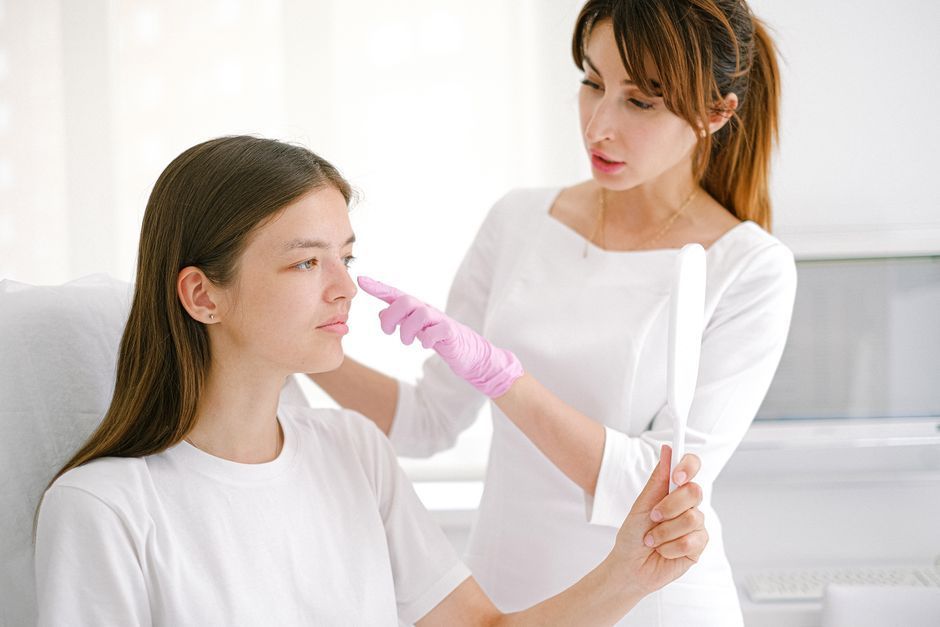
After a consultation and Mark-Vu skin analysis, numbing cream is applied for about 20 to 30 minutes. The doctor then places small amounts of Juvelook into the dermis using a fine needle, cannula or injection device, typically over the cheeks, lower face and other areas of concern. The treatment itself usually takes about 20 to 40 minutes.
Expect small bumps, mild swelling and redness, which typically settle within one to three days, and possible bruising. Some doctors suggest gentle massage afterwards to help distribute the product; follow the instructions you are given rather than improvising. Our Skin Architecture method records the dilution, depth and areas in your Skin Library so later sessions can be adjusted precisely.
Avoid saunas, hard exercise, alcohol and facial massage for about 24 to 48 hours, and pause retinoids or exfoliating acids for a few days. Daily sunscreen remains essential.
A realistic results timeline
Most people notice a subtle improvement in glow from the hyaluronic acid within the first week or two, followed by gradual changes in texture and firmness from about four weeks onwards. The best results usually appear after the full course, around three to six months from the first session, and often last a year or more. Results vary with age, skin quality, lifestyle and how many sessions you have.
Planning Juvelook as a visitor to Seoul
Because the course needs sessions at least four weeks apart, Juvelook fits best for people who live in or visit Seoul regularly, or who can continue treatment with a clinic at home. On a single short trip, one session can still start the process, but a lighter booster or energy treatment may give a more satisfying stand-alone result.
If you plan a return visit, our team can schedule sessions around your flights and record everything for continuity. Costs depend on the number of vials, the areas treated and the number of sessions, so we give a written quote after reviewing photos. See prices and payment and your first visit for practical details.
Habits that protect your collagen
No injection can outpace daily sun damage. The collagen you build with Juvelook lasts longest when you protect it, which is why simple habits matter as much as the treatment itself.
- Wear broad-spectrum sunscreen daily, even on cloudy Seoul days.
- Do not smoke, and limit alcohol, which both speed collagen breakdown.
- Sleep well and keep a consistent skincare routine with a moisturiser.
- Introduce retinoids gradually under guidance to support skin renewal.
- Book maintenance before results fade completely, not after.

Frequently asked questions
At what age should I start Juvelook?
There is no fixed age. Many people consider it in their late twenties to forties when fine lines, texture changes and early loss of firmness appear.
How many Juvelook sessions do I need?
Most plans use 2–3 sessions at least four weeks apart, followed by maintenance about once a year depending on your skin.
When will I see results from Juvelook?
Hydration may show within one to two weeks, but collagen-related improvement usually appears from about 4–12 weeks and continues for months.
Is Juvelook a filler?
Not in the usual sense. Standard Juvelook is a skin booster that stimulates collagen in the dermis. Juvelook Volume is a deeper version used for mild volume loss.
Does Juvelook hurt?
Numbing cream makes it tolerable for most people. You may feel pricks and pressure, and mild tenderness for a day or two.
What are the risks of Juvelook?
Common effects are swelling, bumps, redness and bruising. Less commonly, nodules or infection can occur, so choose a doctor-led clinic and follow aftercare.
Can I combine Juvelook with Botox or lasers?
Yes, often. Botox addresses movement lines and lasers improve tone. A doctor will stage them so each treatment works at the right time.
Related treatments and guides
Keep reading
- Skinvive vs Rejuran Korea
- Rejuran + Botox Combination
- Baby Botox in Myeongdong Korea
- Personalized Anti-Aging Programs
- Microneedling + Skin Booster Korea
Ask a doctor about Juvelook for early aging
Send a photo and your travel dates on WhatsApp (+82-10-3086-4084). English replies, a personal plan and a written quote before you fly.
Sources
- Poly-D,L-Lactic Acid Filler Increases Extracellular Matrix by Modulating Macrophages and Adipose-Derived Stem Cells in Aged Animal Skin (Antioxidants, 2023, PMC)
- A Clinical Histology Study Evaluating the Biostimulatory Activity Longevity of Injectable Poly-L-Lactic Acid for Facial Rejuvenation (J Drugs Dermatol, 2024, PubMed)
- Cleveland Clinic – Dermal Fillers: What They Are, Types, Benefits & Side Effects