Personalized Anti-Aging Programs
Personalized Anti-Aging Programs in Seoul
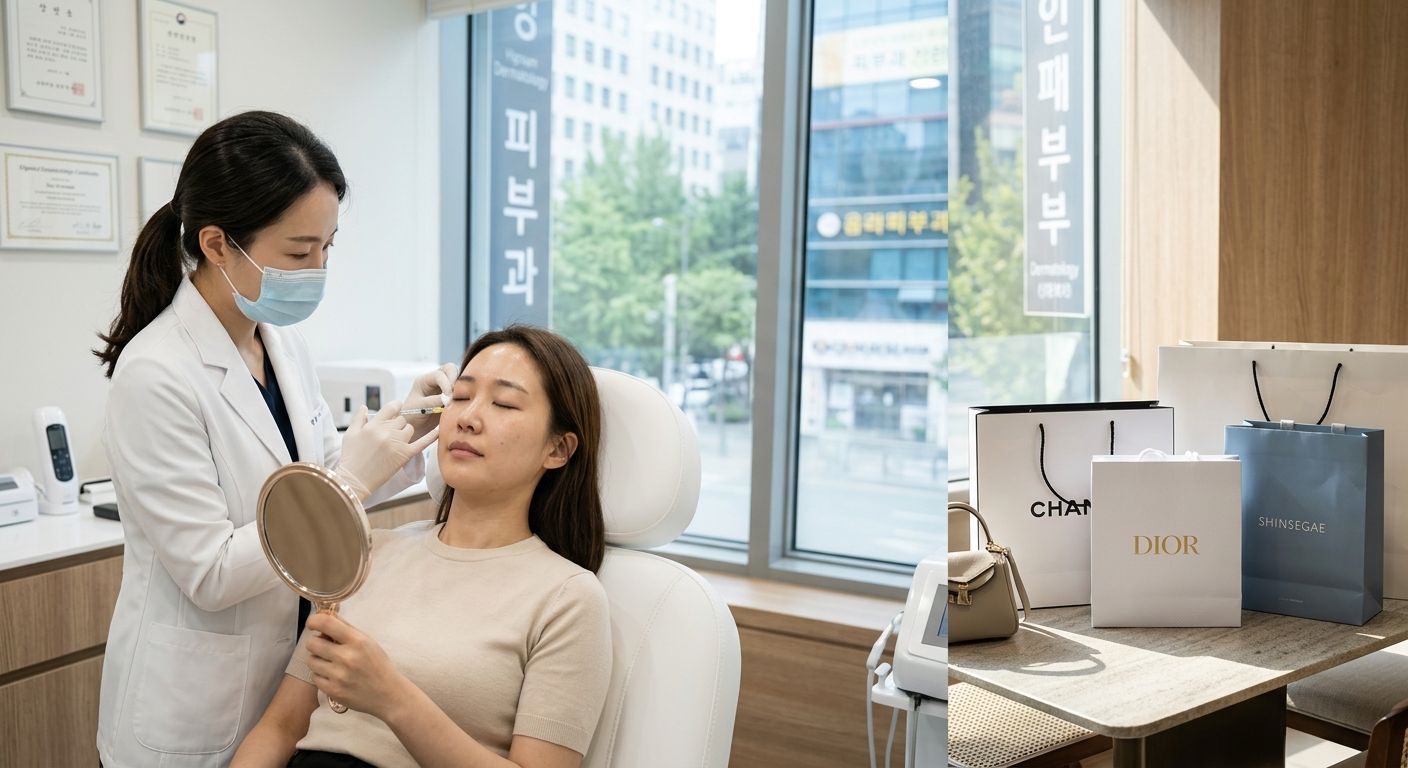
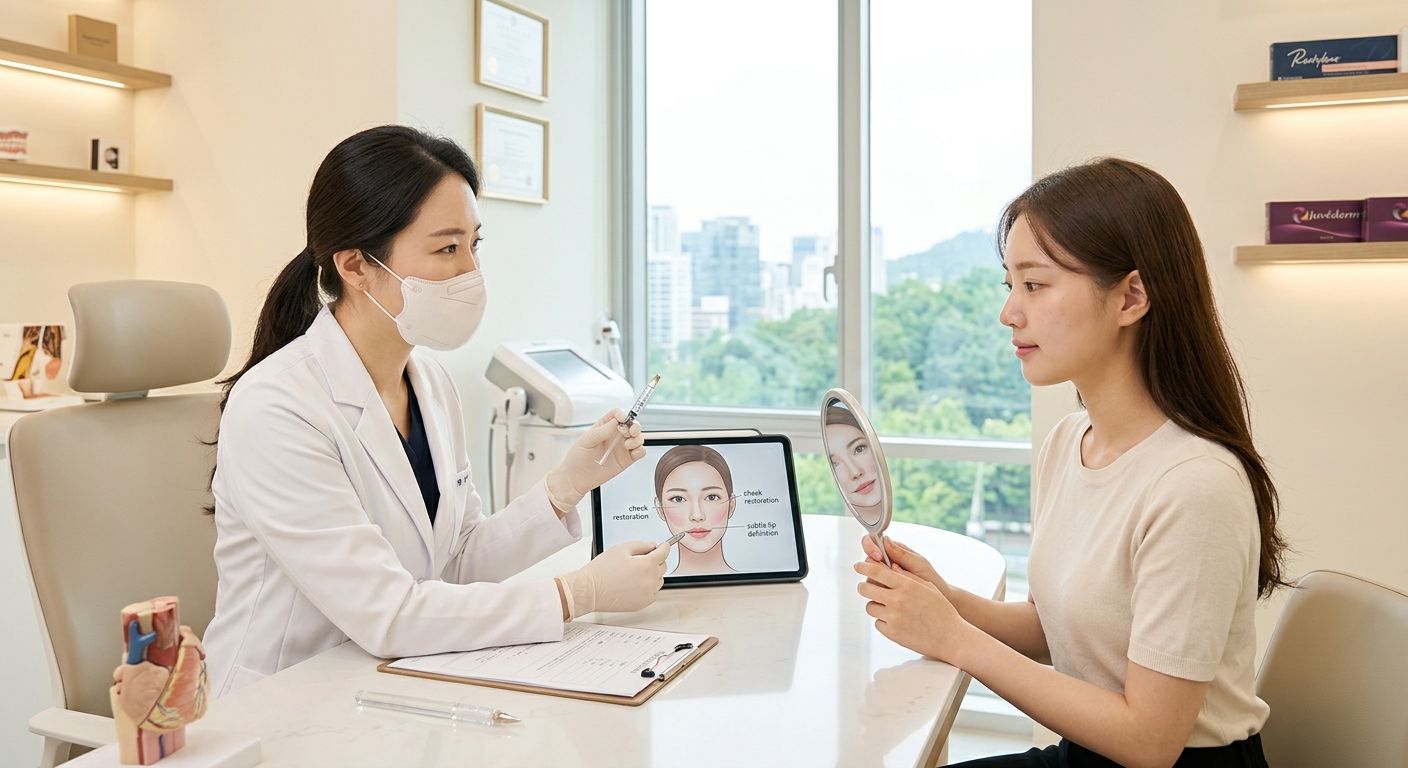
Personalized anti-aging programs in Seoul are designed around an individual's skin condition, facial structure, aging concerns, and treatment goals rather than using the same procedure for every patient. Depending on the assessment, a program may combine skincare, laser treatments, skin tightening, injectables, or collagen-supporting procedures.
The concept of personalization is important because visible aging can involve several different changes at once, including fine lines, pigmentation, reduced elasticity, texture changes, and facial volume changes. Current Seoul dermatology clinics advertise customized programs that may combine different technologies according to these concerns.
What Is a Personalized Anti-Aging Program?
A personalized anti-aging program is a treatment plan created after assessing an individual's skin and facial characteristics.
Instead of automatically selecting a popular procedure, a clinician may consider:
- Skin thickness
- Elasticity
- Fine lines and wrinkles
- Pigmentation
- Skin texture
- Facial volume
- Facial contours
- Collagen loss
- Skin sensitivity
- Previous cosmetic treatments
- Desired downtime
This approach can be useful when several concerns are present at the same time.
Why Individual Assessment Matters
Not every anti-aging procedure addresses the same biological change.
For example, a treatment designed primarily for skin tightening may not directly address pigmentation, while a procedure intended to improve skin texture may not restore lost facial volume.
Current dermatology providers in Seoul describe customized planning around factors such as skin elasticity, facial anatomy, volume distribution, pigmentation, and treatment tolerance.
Common Components of Personalized Anti-Aging Programs
There is no universal anti-aging combination. Depending on the assessment, a program may include one or several categories of treatment.
Skin Tightening
Non-surgical skin-tightening procedures may use technologies such as ultrasound or radiofrequency.
Examples available in Seoul include:
- Microfocused ultrasound
- Radiofrequency tightening
- Monopolar RF
- Other energy-based skin-tightening treatments
These procedures are generally intended to address laxity or stimulate changes within targeted tissue layers.
The treatment selected can depend on skin thickness, degree of laxity, facial anatomy, and the patient's tolerance for discomfort or downtime.
Laser and Light-Based Treatments
Laser or light-based procedures may be considered when aging concerns include:
- Uneven pigmentation
- Sun-related skin changes
- Redness
- Uneven texture
- Fine lines
- Dull appearance
Different devices target different skin characteristics, so a consultation is important before selecting a particular laser.
Injectables
Some personalized anti-aging programs may include injectable treatments.
Depending on the clinical assessment, these can include:
- Botulinum toxin
- Dermal fillers
- Skin boosters
- Collagen-stimulating injectables
These treatments have different purposes and risks. For example, botulinum toxin primarily affects targeted muscle activity, while fillers are used to add or restore volume in selected areas.
A medical consultation should determine whether an injectable is appropriate and where it should be placed.
Collagen-Supporting Treatments
Some Seoul clinics offer treatments intended to stimulate or support collagen production.
Examples may include:
- Energy-based procedures
- Certain injectable products
- Microneedling-based treatments
- Other collagen-remodeling approaches
The expected degree and timing of improvement vary between treatments and individuals.
Personalized Anti-Aging Skincare
An anti-aging program does not necessarily need to consist entirely of procedures.
A consistent home skincare routine remains an important part of long-term skin maintenance. The American Academy of Dermatology identifies daily broad-spectrum SPF 30 or higher sunscreen and moisturizer as foundational anti-aging skincare measures.
Depending on the individual, a dermatologist may also discuss ingredients such as retinoids or retinol. Retinoids can improve fine lines, pigmentation, and skin texture, but they can also cause irritation and are not suitable for everyone.
Sun Protection
Sun exposure contributes significantly to premature skin aging.
Daily sun protection can help reduce ongoing UV-related skin damage and is particularly important when undergoing treatments that may temporarily increase skin sensitivity.
How a Personalized Program May Be Planned
A typical consultation may begin with an assessment of the patient's main concerns.
Step 1: Identify the Main Aging Concerns
The patient may be concerned primarily about:
- Fine lines
- Sagging
- Pigmentation
- Dullness
- Enlarged pores
- Uneven texture
- Loss of facial volume
Identifying the main concern helps prevent unnecessary treatments.
Step 2: Assess Skin and Facial Characteristics
The provider may evaluate skin quality, elasticity, facial proportions, volume distribution, and previous procedures.
Previous treatments are particularly important because they can influence which procedures are appropriate next.
Step 3: Discuss Treatment Priorities
Patients should explain whether they prioritize:
- Subtle changes
- Skin quality
- Firmness
- Wrinkle reduction
- Facial contour
- Minimal downtime
- A gradual treatment plan
A personalized plan should reflect these priorities while remaining medically appropriate.
Step 4: Establish a Treatment Schedule
Some procedures can be performed during one visit, while others are normally separated into multiple sessions.
The schedule can depend on:
- Treatment type
- Skin response
- Recovery requirements
- Combination compatibility
- Desired pace of treatment
Personalized Anti-Aging Programs for International Patients
Seoul attracts international patients seeking dermatology and aesthetic treatments, and some clinics specifically provide English-language support and customized treatment planning.
For example, current Myeongdong UMI Clinic information describes physician-led consultations, English-speaking support, and individualized anti-aging, skin-tightening, injectable, and laser treatment planning.
Other Seoul providers, including clinics in Gangnam, also advertise customized anti-aging programs for international patients.
International visitors should confirm:
- Consultation language
- Who performs the assessment
- Exact treatments included
- Number of visits required
- Expected downtime
- Aftercare instructions
- Follow-up options after returning home
How to Choose an Anti-Aging Clinic in Seoul
Rather than choosing a clinic solely because it advertises many procedures, consider how the treatment plan is developed.
Useful questions include:
- Is there a medical consultation before treatment?
- Is the treatment selected according to my skin condition?
- Who performs the procedure?
- What are the expected benefits?
- What are the possible side effects?
- How long is recovery?
- Are multiple treatments necessary?
- What happens if I experience an unexpected reaction?
- Can the clinic provide written aftercare instructions in English?
A clinic's ability to offer many devices does not necessarily mean every device is appropriate for every patient.
Results, Recovery, and Expectations
Anti-aging treatments generally produce variable results.
Some procedures can cause temporary:
- Redness
- Swelling
- Bruising
- Tenderness
- Peeling
- Skin sensitivity
The time required to see results also differs. Some cosmetic changes may appear relatively quickly, while collagen-related improvements can develop gradually.
The American Academy of Dermatology emphasizes realistic expectations for anti-aging skincare: products generally provide modest improvements rather than dramatic transformations.
Similarly, procedural treatments should not be presented as guaranteed ways to reverse aging.
Risks and Limitations
Every medical aesthetic procedure carries potential risks.
Depending on the treatment, possible complications can include:
- Irritation
- Pigmentation changes
- Burns
- Infection
- Swelling
- Bruising
- Asymmetry
- Allergic reactions
- Unsatisfactory cosmetic results
Combination treatment may also increase complexity. Patients should understand why each component has been included rather than accepting multiple procedures simply because they are offered as a package.
Frequently Asked Questions
What is a personalized anti-aging program?
It is an individualized treatment plan based on a patient's skin condition, facial characteristics, aging concerns, treatment goals, and tolerance for downtime.
What treatments can be included?
Depending on the assessment, programs may include skincare, lasers, ultrasound or radiofrequency tightening, injectables, or collagen-supporting procedures.
Are personalized anti-aging programs available in Seoul?
Yes. Seoul clinics currently advertise customized anti-aging and skin-rejuvenation programs for both local and international patients.
How many anti-aging treatments will I need?
There is no universal number. The required sessions depend on the selected treatment, individual response, treatment goals, and whether several procedures are being combined.
Can international visitors receive personalized anti-aging treatment in Seoul?
Yes. Some Seoul clinics provide services specifically for international patients, including English-language consultations. Patients should confirm language support and follow-up arrangements before booking.
What should I do at home for long-term anti-aging care?
Daily sun protection and moisturizer are foundational. Depending on your skin, a dermatologist may also recommend ingredients such as retinoids or retinol.