Acne Extraction by Medical Professionals
Acne Extraction by Medical Professionals: What to Know Before Treatment
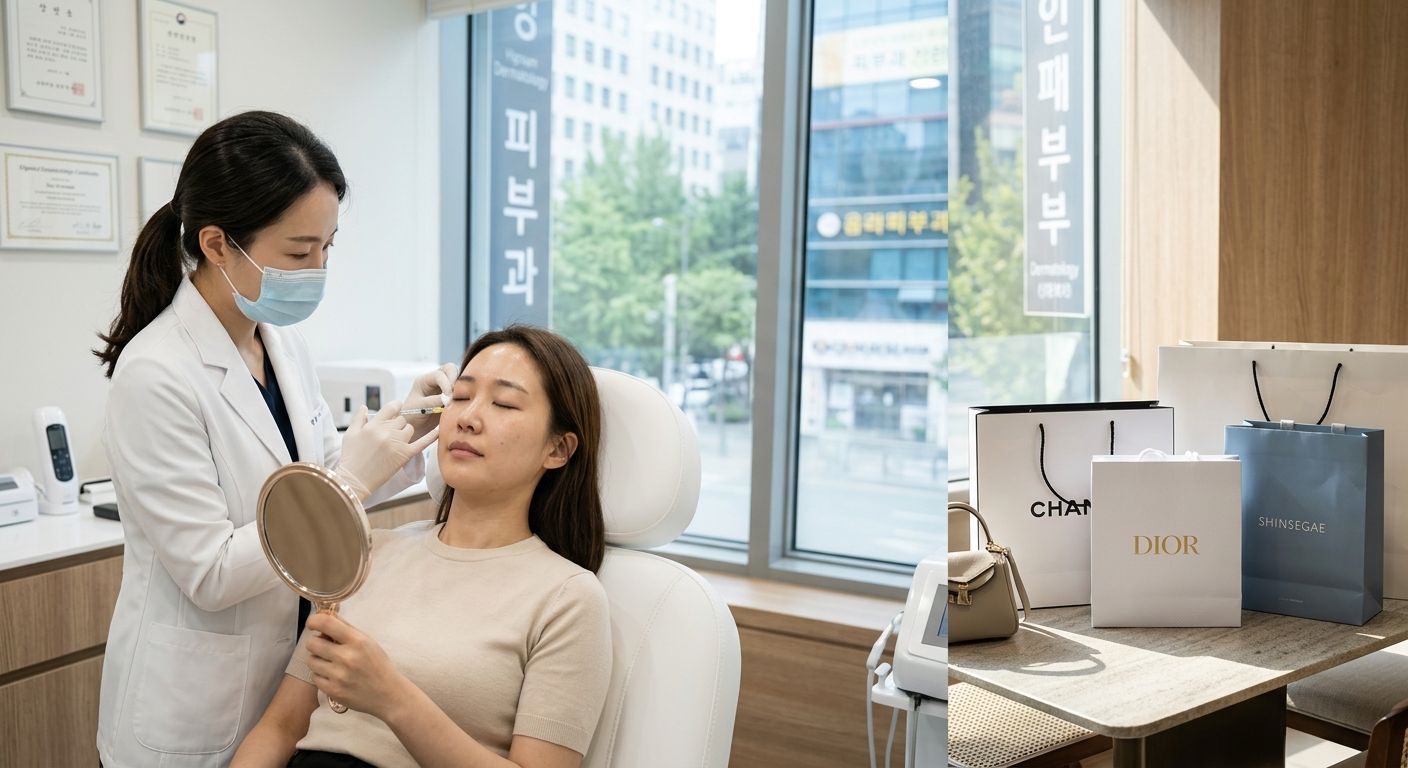
Acne extraction is a professional procedure used to physically remove certain acne lesions, particularly blackheads and whiteheads that have not cleared with standard acne treatment. When performed by a trained medical professional using sterile instruments, extraction can be a controlled alternative to squeezing or picking acne at home.
However, extraction is not appropriate for every type of acne. Deep, painful nodules and cysts require a different approach, while recurrent acne usually needs an underlying treatment plan rather than repeated extraction alone.
What Is Medical Acne Extraction?
Medical acne extraction, sometimes called comedone extraction or acne surgery, involves physically removing the contents of selected acne lesions using sterilized instruments.
It is primarily used for:
- Blackheads
- Whiteheads
- Persistent clogged pores
- Selected comedonal acne lesions
The American Academy of Dermatology notes that dermatologists may use acne extraction when blackheads and whiteheads do not clear with acne treatment.
The procedure is different from simply squeezing a pimple. Professional extraction is performed with appropriate technique and sterile equipment to reduce unnecessary trauma to the surrounding skin.
Why Choose Professional Acne Extraction?
Trying to remove acne yourself can increase irritation and may contribute to inflammation, infection, or scarring.
Professional extraction provides several advantages:
- Sterile instruments
- Controlled pressure and technique
- Selection of appropriate lesions
- Assessment of the surrounding skin
- Lower risk of unnecessary trauma compared with aggressive squeezing
- Opportunity to identify whether another acne treatment is needed
The AAD specifically advises that acne extraction should be performed by a trained dermatologist to reduce the risk of scarring and infection.
Which Acne Can Be Extracted?
Blackheads
Blackheads, or open comedones, are among the most suitable lesions for extraction.
They form when a pore becomes clogged with oil and dead skin cells. Professional extraction can physically remove the material from selected persistent comedones.
Whiteheads
Closed comedones may also be treated with professional extraction when appropriate.
Not every whitehead should automatically be extracted. The clinician needs to determine whether the lesion can be safely removed without creating unnecessary trauma.
Deep Acne
Large, painful nodules and cysts are generally not treated like ordinary blackheads.
A dermatologist may instead consider an intralesional corticosteroid injection for a selected large inflammatory lesion or another appropriate medical procedure. The AAD recommends these injections as an adjunctive option for larger acne papules or nodules.
What Happens During Medical Acne Extraction?
The exact procedure varies according to the lesions being treated, but a professional appointment may involve:
Skin Assessment
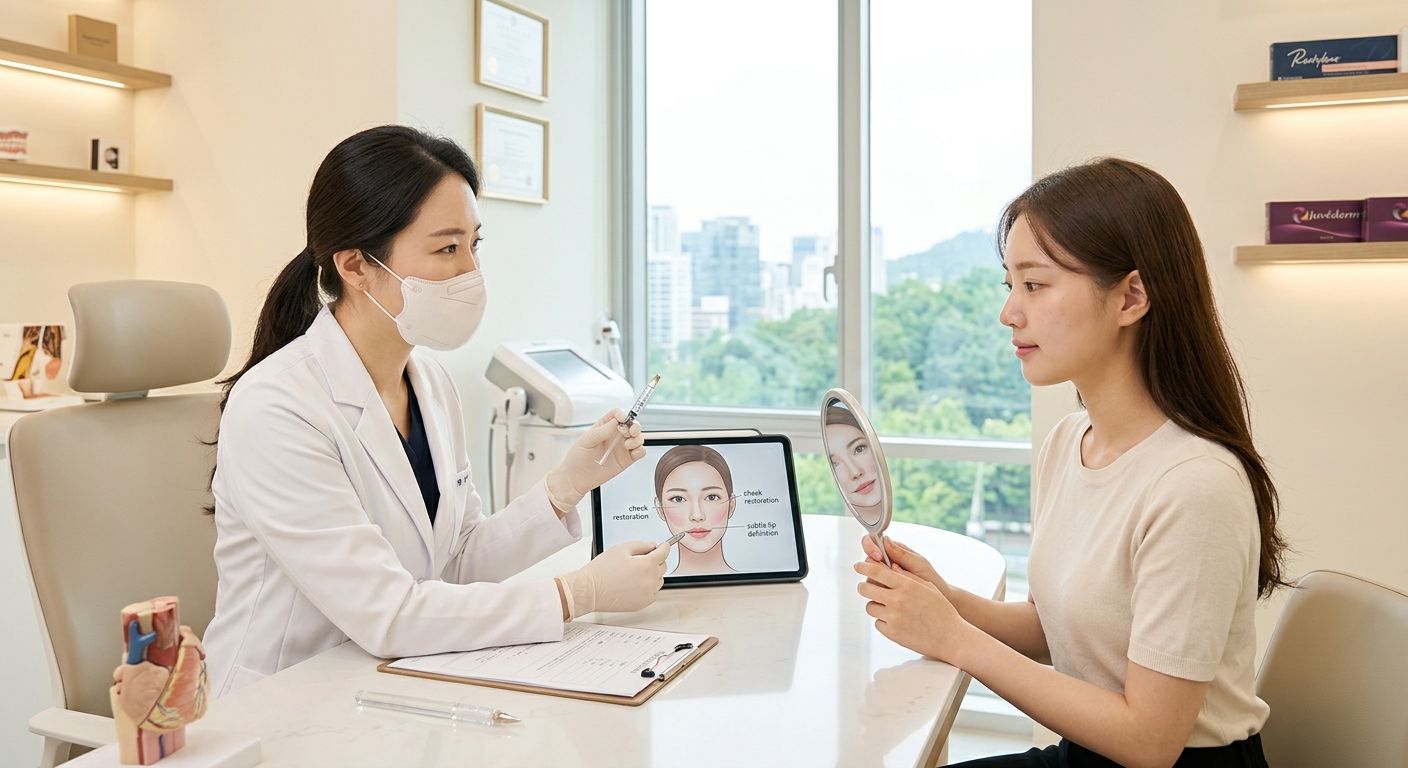
The clinician first examines the skin and determines which lesions are appropriate for extraction.
This is important because acne can include several different lesion types, and not every bump should be manually removed.
Skin Preparation
The skin is cleaned before the procedure. Depending on the clinic and treatment plan, additional preparation may be used.
Controlled Extraction
Sterile instruments are used to carefully remove selected comedones.
The goal is controlled removal rather than forceful squeezing.
Post-Treatment Care
The clinician may provide instructions for cleansing, moisturizing, sun protection, and acne medication after the procedure.
The exact recommendations depend on the skin condition and whether another procedure was performed at the same appointment.
Does Acne Extraction Hurt?
Discomfort varies depending on the number and location of lesions and the technique used.
Some extractions may cause brief pressure or mild discomfort. Sensitive areas can feel more uncomfortable.
A professional should avoid excessive force. If a lesion does not release easily, repeatedly pressing or digging into the skin can create unnecessary trauma.
How Long Does the Skin Take to Recover?
Recovery is generally shorter for simple comedone extraction than for resurfacing procedures, although temporary redness or irritation can occur.
Your recovery may depend on:
- Number of lesions treated
- Location of the acne
- Skin sensitivity
- Extraction technique
- Whether another procedure was performed
- Individual healing response
If you are visiting a clinic shortly before an important event, ask how much temporary redness you should expect.
Can Extraction Cure Acne?
No. Extraction removes selected clogged lesions, but it does not necessarily prevent new acne from forming.
Blackheads and whiteheads can return, particularly when the underlying tendency toward clogged pores remains. The AAD notes that a continuing skincare and acne-treatment plan is important for preventing new blemishes.
For ongoing acne, a dermatologist may recommend treatments such as:
- Topical retinoids
- Benzoyl peroxide
- Salicylic acid
- Azelaic acid
- Topical antibiotics in appropriate cases
- Hormonal treatments for selected patients
- Oral antibiotics for certain inflammatory acne
- Isotretinoin for severe or treatment-resistant acne
The 2024 AAD acne guideline supports several of these topical and systemic therapies, with treatment selected according to the patient's acne and circumstances.
Medical Extraction vs DIY Pimple Popping
There is an important difference between professional extraction and squeezing acne at home.
DIY squeezing can:
- Increase inflammation
- Damage surrounding tissue
- Introduce bacteria
- Prolong healing
- Increase the risk of marks or scars
Professional extraction is selective and uses sterile equipment. The AAD describes dermatologist-performed extraction as a safe way to remove blackheads and whiteheads when appropriately performed.
Extraction for International Visitors
Medical acne extraction can be particularly appealing to travelers who want to address persistent blackheads or whiteheads during a short visit.
However, international patients should distinguish between immediate lesion removal and long-term acne management.
Before treatment, tell the clinic about:
- Your travel schedule
- Your departure date
- Current acne medications
- Previous procedures
- Skin sensitivity or previous reactions
- Any upcoming photoshoots or events
If you are leaving Korea soon after treatment, ask whether temporary redness or irritation is expected.
What About Acne Scars and Dark Marks?
Extraction is not primarily an acne-scar treatment.
If acne has already caused depressed scars, raised scars, or persistent pigmentation, the treatment plan may be completely different.
For example, acne scars may require assessment for procedures such as fractional laser, microneedling, subcision, or other treatments depending on scar type.
Likewise, flat dark marks after acne are not the same as active acne or true scars. They may require a pigmentation-focused approach.
Treating the correct problem is therefore more important than simply requesting extraction.
How Often Should Acne Extraction Be Done?
There is no universal schedule.
Repeated extraction may be unnecessary if an effective acne-control regimen is addressing the underlying cause. The AAD's current acne guideline notes that evidence is insufficient to make a formal recommendation for routine comedone extraction, although dermatologists may use it for selected persistent comedones.
A clinician can determine whether extraction is useful as an occasional adjunct or whether your skin would benefit more from medical acne treatment.
Questions to Ask Before Professional Acne Extraction
Before booking the procedure, consider asking:
- Are my lesions suitable for extraction?
- Will a medical professional perform the procedure?
- Is sterile equipment used?
- Do I have active acne that needs medication as well?
- Should extraction be combined with another treatment?
- How much redness should I expect afterward?
- When can I return to my normal skincare routine?
- Do I need a follow-up appointment?
- Am I dealing with blackheads, whiteheads, inflammatory acne, or acne scars?
- What can I do to reduce new breakouts?
When Professional Assessment Is Especially Important
Consider seeing a dermatologist rather than relying on extraction alone if you have:
- Deep or painful acne
- Recurrent cysts or nodules
- Rapidly worsening acne
- Significant acne scarring
- Extensive inflammation
- Acne that has not responded to standard treatment
- Uncertainty about whether the bumps are actually acne
Severe or persistent acne may require prescription treatment rather than repeated physical removal.
Final Takeaway
Acne extraction by medical professionals can be useful for selected blackheads and whiteheads, particularly when stubborn comedones have not responded adequately to standard acne treatment. Professional extraction is different from squeezing pimples at home because it uses controlled technique and sterile instruments.
Extraction should be viewed as one part of acne management rather than a complete cure. If you have recurrent, inflammatory, cystic, or scarring acne, a dermatologist can determine whether medication or another treatment approach is more appropriate.