Men's Acne Solutions in Seoul
Quick answer
Men's acne solutions combine medical treatment matched to the acne type with in-clinic care to speed results and prevent scars. Mild acne usually responds to benzoyl peroxide, retinoids or topical antibiotics; moderate to severe or scarring acne may need oral medicines such as antibiotics or isotretinoin under medical supervision. Clinics add medical extraction, cyst injections, light or laser therapy and, later, scar treatment. At Obliv between Myeongdong and Jongno, a doctor assesses your skin and plans care around your time in Seoul.
Key takeaways
- Men's skin produces more oil, and acne often extends to the jaw, neck, back and chest.
- The right treatment depends on acne type and severity; a doctor should confirm it is acne and not folliculitis or razor bumps.
- Most acne treatments need 6–12 weeks to show their full effect; clinic procedures speed up visible improvement.
- Isotretinoin can be very effective for severe acne but needs medical monitoring and follow-up at home.
- Treat active acne first and scars later; picking or squeezing deep spots increases scarring.
Why acne in men can be different
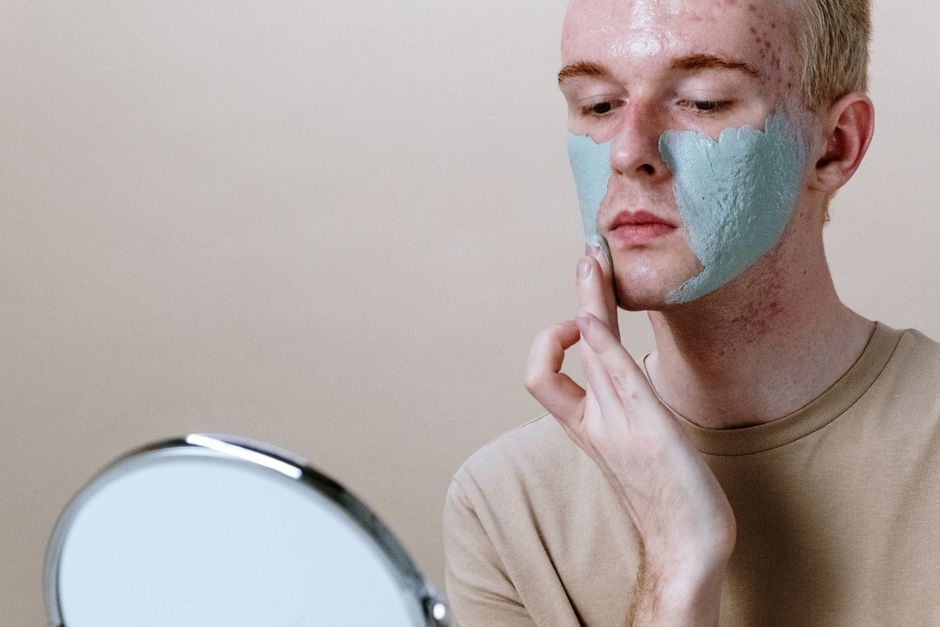
Acne starts in the hair follicle, where oil, dead skin cells and bacteria (Cutibacterium acnes) combine with inflammation. Androgens such as testosterone stimulate oil glands, which is one reason teenage boys often have more severe acne than girls. In adult men, acne frequently continues along the jaw, chin and neck, and on the back, shoulders and chest, areas that are often overlooked.
Some triggers are specific to men's lives. Heavy sweating under helmets, caps and gym gear, friction from backpacks and collars, and some sports supplements can all worsen breakouts. Anabolic steroids and testosterone products can cause severe acne. Shaving over inflamed spots spreads irritation, and razor bumps or bacterial folliculitis are often mistaken for acne.
Getting the diagnosis right matters, because treatments differ. DermNet describes several acne patterns and lists conditions that mimic acne, including folliculitis and rosacea. Our acne and breakouts guide explains the main types.
Recognising your acne pattern
The left column shows the patterns most men recognise: blackheads and whiteheads (comedonal acne), red inflamed spots (papules and pustules), and acne on the back and chest. Dark marks that remain after spots heal are usually post-inflammatory hyperpigmentation, which fades with time and sun protection, not true scars.
The right column lists situations that need prompt medical attention. Deep painful nodules and cysts are most likely to scar and usually need prescription treatment. Acne that appears suddenly with fever or joint pain, or after starting steroids or supplements, also needs a doctor.
Medical treatments that work
For mild acne, the American Academy of Dermatology recommends starting with proven topicals such as benzoyl peroxide, adapalene or other retinoids, and azelaic acid. These take time: most people see clear improvement after six to twelve weeks of consistent use. Moderate inflamed acne may add an oral antibiotic for a limited period, combined with topicals to reduce the risk of antibiotic resistance.
Severe, scarring or stubborn acne may be treated with isotretinoin, a powerful oral medicine. The NHS notes that it can cause dry skin and lips, sensitivity to sunlight and, rarely, mood changes, and that people should not donate blood while taking it. It requires a prescription, regular review and often blood tests, so it is best started where you can be followed up, or with a clear handover to your doctor at home.
The table compares the main options. A doctor will choose based on your acne type, skin tolerance, medical history and how long you will be in Seoul.
| Option | Best for | Typical timeline | Key points |
|---|---|---|---|
| Topicals (benzoyl peroxide, retinoids, azelaic acid) | Mild to moderate acne | 6–12 weeks | Can dry or irritate; use daily sunscreen |
| Oral antibiotics | Moderate inflamed acne | Usually several weeks to a few months | Combined with topicals to limit resistance |
| Isotretinoin | Severe, scarring or resistant acne | Course of several months | Needs monitoring, blood tests and follow-up |
| Medical extraction and cyst injection | Blackheads, whiteheads, painful cysts | Immediate to a few days | Done by trained staff to avoid scarring |
| Light, laser and LDM care | Inflamed acne, redness, oil | Series of sessions | Adds to, but rarely replaces, medicines |
| Scar treatments (Pico Fraxel, Rejuran) | Atrophic scars and marks | Several sessions over months | Best once acne is controlled |
Ask a doctor about men's acne
Send a photo and your travel dates on WhatsApp (+82-10-3086-4084). English replies, a personal plan and a written quote before you fly.
In-clinic treatments that speed results
Medicines treat acne from the inside out, but clinic procedures can make a visible difference faster. Medical extraction by trained staff clears blackheads and whiteheads without the damage caused by squeezing at home; our article on acne extraction by medical professionals explains the difference. A small injection of diluted steroid into a painful cyst can flatten it within a day or two, which helps before an important meeting.
Light and laser treatments, and ultrasound-based LDM care, can calm inflammation, reduce redness and help oily skin. The AAD notes that lasers and light therapies can help some patients but usually work best alongside medical treatment, not instead of it. For more detail, see the best acne lasers near Jongno.
Back and chest acne in men
Body acne is common in men and easy to neglect because it is out of sight. The skin on the back and chest is thick and oily, and sweat, tight sportswear and backpack straps trap heat and friction against it. Spots here can be deep and painful and often leave dark marks or scars across the shoulders. Many men only seek help when the marks start to bother them on the beach or at the gym.
Treatment follows the same principles as facial acne, adapted to a large area. Benzoyl peroxide washes left on the skin for a minute or two before rinsing are a practical first step, and a doctor may add topical retinoids or, for widespread or scarring acne, oral treatment. A doctor should also rule out fungal (Malassezia) folliculitis, which looks similar but needs antifungal treatment rather than standard acne medicines.
On a trip, wear loose cotton or moisture-wicking shirts, change out of sweaty clothes quickly and avoid rubbing the area with rough towels or loofahs. Benzoyl peroxide can bleach coloured towels, sheets and clothing, so use white ones or rinse thoroughly.
Treating scars once acne is controlled
Men often have thicker, oilier skin, which can make acne scars more noticeable, especially rolling and boxcar scars on the cheeks. Scar treatment works best once active breakouts are under control, because new inflammation keeps creating new damage. Starting resurfacing too early can also irritate active acne.
Options include fractional lasers such as Pico Fraxel, regenerative boosters such as Rejuran, and other procedures described on our acne scar removal page. Most scars improve gradually over several sessions; complete removal is rarely realistic, but substantial softening often is.
A realistic timeline
Acne treatment rewards patience. Topicals can cause some dryness or a short flare in the first weeks, and the full benefit usually appears between six and twelve weeks. Isotretinoin courses usually last several months. Clinic procedures give quicker visible wins, which is useful for visitors with limited time in Seoul.
If you are travelling, we can start a plan, perform treatments that give fast improvement, and prepare a written summary of prescriptions and procedures for your doctor at home. Your Skin Library record keeps everything on file for future visits.
Daily habits for men with acne-prone skin
The AAD lists habits that worsen acne, including scrubbing, picking and using too many products at once. A simple routine that you follow every day supports any medical treatment. For more grooming advice, see our article on professional grooming treatments for men.
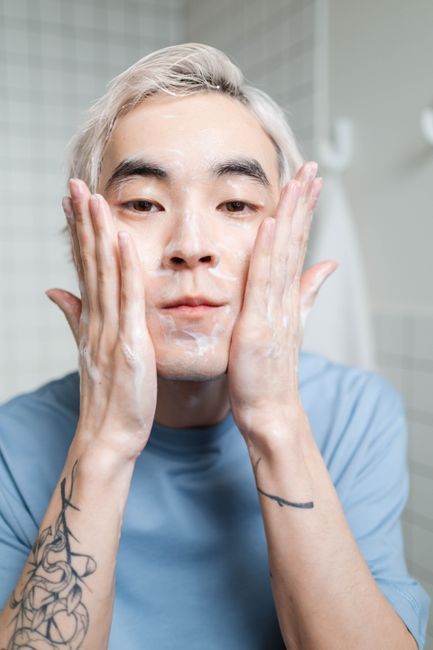
- Wash twice a day and after sweating with a gentle cleanser; avoid harsh scrubs.
- Choose non-comedogenic moisturisers and sunscreens, ideally gel or fluid textures.
- Shave carefully: use a sharp blade, shave with the grain, or switch to an electric trimmer during flares.
- Shower soon after workouts and wash sports kit, caps and pillowcases regularly.
- Do not squeeze deep spots; ask for medical extraction or a cyst injection instead.
- Review supplements: some men find whey protein or other products worsen breakouts.
Getting acne care during a trip to Seoul
Send a few clear photos of your skin, a list of current or past acne treatments and your travel dates on WhatsApp before you arrive. Our English-speaking team can tell you what is realistic in your timeframe. The clinic is between Myeongdong and Jongno, about 6 minutes on foot from Jongno 3-ga and Euljiro 3-ga stations, and open seven days.
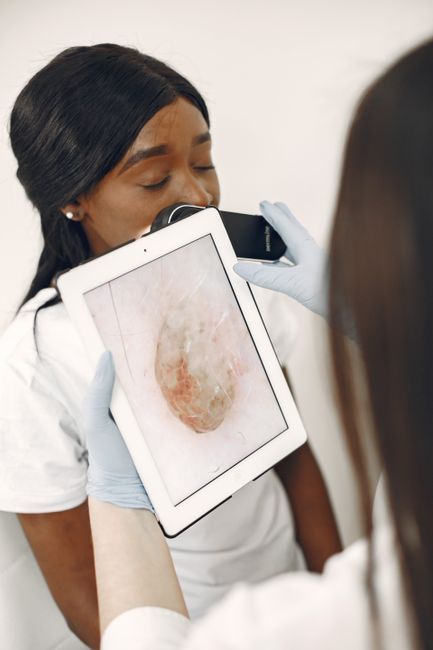
At your visit the doctor uses Mark-Vu imaging to assess oil, pores, inflammation and marks, confirms the diagnosis and explains the plan and costs before treatment. Our acne facial for travellers and Myeongdong dermatology clinic pages describe what to expect.
Frequently asked questions
What is the best acne treatment for men?
It depends on the type and severity. Mild acne usually responds to topicals such as benzoyl peroxide or retinoids; moderate to severe acne may need oral medicines. A doctor can match treatment to your skin.
Can I start isotretinoin in Seoul?
It is possible after a medical assessment, but isotretinoin needs monitoring and follow-up over several months. We usually advise arranging ongoing care with your doctor at home.
Does shaving make acne worse?
It can irritate inflamed spots and cause razor bumps, which look like acne. Shaving with the grain, using a sharp blade or switching to a trimmer during flares helps.
How can I get rid of back acne?
Benzoyl peroxide washes, showering soon after exercise and loose, breathable clothing help. Persistent or scarring back acne may need prescription treatment.
How quickly can a clinic calm a breakout?
Medical extraction and cyst injections can improve visible spots within a few days. Overall control with medicines usually takes six to twelve weeks.
When should I treat acne scars?
Once active acne is controlled. Treating scars during active breakouts can irritate the skin and new spots can create new scars.
Can protein supplements cause acne?
Some men notice more breakouts with whey protein or certain supplements, and anabolic steroids can cause severe acne. Tell your doctor about anything you take.
Related treatments and guides
Keep reading
- Acne Extraction by Medical Professionals
- Best Acne Laser Near Jongno
- Korean Acne Protocol for Adults
- Acne Scar Consultation in Myeongdong
- Acne Facial for Travelers in Seoul
Ask a doctor about men's acne
Send a photo and your travel dates on WhatsApp (+82-10-3086-4084). English replies, a personal plan and a written quote before you fly.
Sources