Doctor-Led Cosmetic Dermatology vs Beauty Spa in Seoul
Quick answer
The main difference is who is responsible and what they are allowed and trained to do. A doctor-led cosmetic dermatology clinic diagnoses your skin, performs medical treatments such as injectables, medical-grade lasers and prescription care, and can manage side effects. A beauty spa offers relaxing, non-medical care such as massage, cleansing facials and masks. In Seoul both are popular. At Obliv near Myeongdong and Jongno, treatment is planned by doctors; for pure relaxation, a reputable spa is a fine choice.
Key takeaways
- Spas provide comfort and surface care; clinics provide diagnosis and medical treatment. Both have a place.
- Injectables, medical lasers, energy-based lifting and prescription treatments should be done in a medical setting under a doctor.
- A doctor can recognise conditions that look cosmetic but are not, such as rosacea, melasma, fungal acne or a suspicious mole.
- Complications from medical procedures, although uncommon, need a doctor who can act immediately.
- If you want both, do the spa visit before clinic treatment or wait until your skin has settled afterwards.
Two very different kinds of 'skin care'
Walk through Myeongdong and you will see both: medical clinics advertising lasers and boosters, and spas or skincare shops offering facials and massage. To a visitor they can look similar, and some marketing deliberately blurs the line. But they serve different purposes, are staffed differently and carry different responsibilities.
A doctor-led clinic exists to diagnose and treat. Its tools include prescription medicines, injectables and medical-grade energy devices, and its doctors are responsible for deciding what is safe for you. A spa exists to make you feel and look refreshed through non-medical care. Neither is better in general; each is better for certain goals. The mistake is expecting one to do the other's job.
Side by side: what each does
The table summarises the practical differences. The most important row is the second: assessment. A clinic should take a medical history, look for conditions that change the plan and record what is done. A spa typically asks about skin type and preferences, which is appropriate for gentle, non-medical care.
The American Academy of Dermatology notes that cosmetic procedures carry real risks and recommends checking who will perform them and what training they have. That advice applies equally in Seoul. If a treatment involves a needle, a medical laser or a prescription product, the right setting is a clinic.
| Doctor-led clinic | Beauty spa | |
|---|---|---|
| Who leads care | Licensed physicians with a medical team | Aestheticians and therapists |
| Assessment | Medical history, diagnosis, skin imaging | Skin type and preferences |
| Typical services | Injectables, medical lasers, lifting devices, prescriptions | Massage, cleansing facials, masks, gentle exfoliation |
| Managing problems | Can diagnose and treat side effects | Refers to a doctor if a problem appears |
| Best for | Lasting change to a specific concern | Relaxation and short-term glow |
Why a medical assessment matters
Many skin concerns that look cosmetic have a medical explanation. Persistent redness may be rosacea, which can worsen with heat, steam and some facial techniques. Brown patches on the cheeks may be melasma, which strong exfoliation and some lasers can aggravate. Small, itchy, uniform bumps on the forehead may be fungal folliculitis rather than acne. A changing dark spot needs to be checked for skin cancer.
A doctor can recognise these patterns and adjust treatment, or refer you if something needs another specialist. At Obliv near Myeongdong and Jongno, assessment includes Mark-Vu imaging, which helps show pigment and redness beneath the surface. Our guides to redness and sensitive skin and melasma and dark spots explain how these are approached.
Ask a doctor about doctor-led care vs a spa
Send a photo and your travel dates on WhatsApp (+82-10-3086-4084). English replies, a personal plan and a written quote before you fly.
Where spas shine
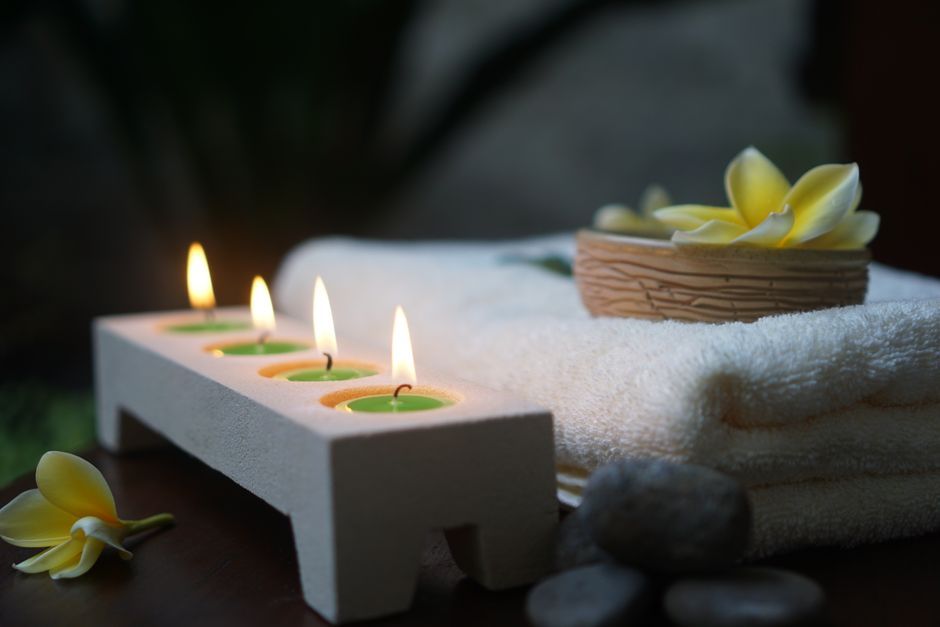
Spas do some things very well. A good facial massage can reduce tension and puffiness, a hydrating mask can make skin feel soft before an evening out, and the experience itself can be genuinely restorative after a long flight or a busy trip. Korean spas and skincare shops have refined this kind of care, and many visitors enjoy it.
The key is to choose a clean, reputable venue, tell the therapist about any sensitivity or recent treatments, and decline anything that sounds medical, such as injections or strong peels, unless a doctor is involved. Obliv itself is a medical clinic, not a spa, so for massage and relaxation facials we suggest a reputable spa and, for medical goals, a doctor-led plan.
What only a medical clinic should do
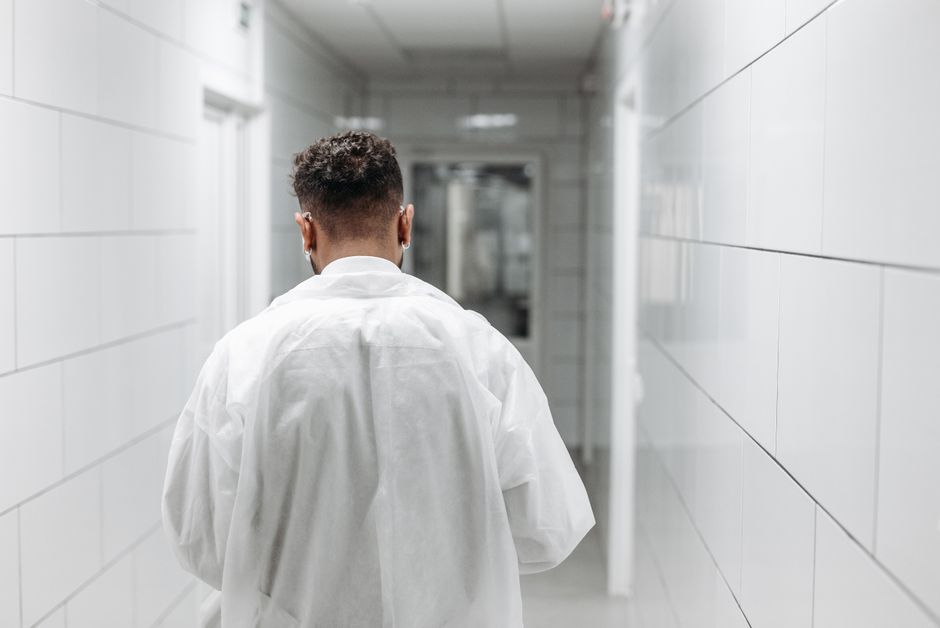
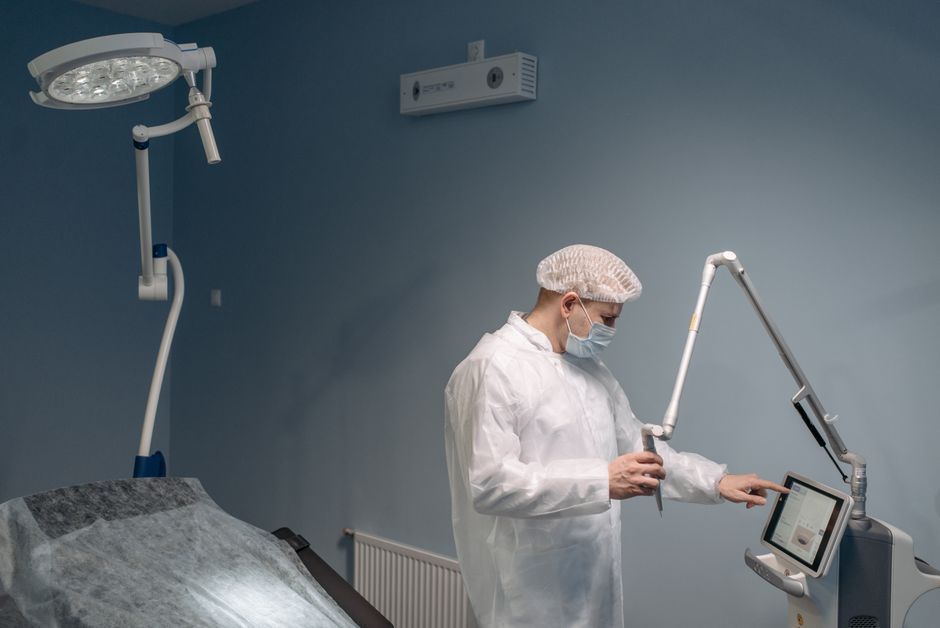
Injectables such as Botox, dermal fillers and skin boosters require anatomy knowledge, sterile technique and the ability to manage rare but serious complications, such as a filler blocking a blood vessel. Medical lasers like Pico Fraxel and lifting devices such as HIFU or radiofrequency also need correct settings for your skin type to avoid burns or pigment changes.
In a clinic, a doctor chooses the product or device, the dose or energy, and the depth, then documents it. At Obliv this is our Skin Architecture approach: reading a concern layer by layer, then choosing energy, depth and dose for each. If something unexpected happens, the same team can assess and treat it straight away.
Which suits your goal?
If your aim is to unwind, enjoy a pampering facial or simply try a Korean beauty experience, a spa is a sensible choice. If you want to change something specific and lasting, such as lines, laxity, pigment, scars or persistent acne, start with a medical consultation.
Many visitors do both during a trip to Seoul. That works well with a little planning, as the next section explains. For more ideas, see our comparison of K-beauty clinic treatments and luxury facials.
Combining a spa and a clinic on the same trip
Order matters. Heat, steam, hot stones and firm facial massage can increase swelling and bruising after injectables, and can irritate skin after lasers. The simplest approach is to book the spa first, then the clinic, or to wait until your skin has settled after treatment before returning to a spa.
As a rough guide, avoid saunas and vigorous massage for at least a day or two after most clinic treatments, and longer after stronger lasers. Gentle, cool masks are often fine sooner, but check your aftercare sheet or message the clinic. The timeline shows a typical sequence.
Hygiene and warning signs, wherever you go
Whether you choose a spa or a clinic, basic hygiene tells you a lot. Instruments should be single-use or visibly sterilised, towels fresh, and the person treating you should clean their hands and your skin before starting. In a clinic, injectable products should be opened in front of you or clearly labelled, and you should be able to ask which product and batch were used.
After any treatment, some redness or tenderness is normal for a short time. Contact a doctor promptly if you notice pain that is getting worse rather than better, skin that turns white, grey or dusky after an injection, blisters, pus, spreading redness, fever or changes in your vision. These signs are uncommon, but they need medical attention quickly, which is one more reason medical procedures belong in a medical setting with a team who can respond.
Questions to ask before you book either
These questions are reasonable anywhere. Clear answers, without pressure, are a good sign. If you are planning a medical treatment, our Myeongdong dermatology clinic guide and article on premium doctor-led aesthetic care explain what to expect from a medical visit.
- Who will perform my treatment, and what are their qualifications?
- Is this treatment medical or cosmetic, and is a doctor involved?
- What products or devices are used, and are they approved in Korea?
- What should I avoid afterwards, and for how long?
- Who do I contact if I have a reaction after I leave?
Frequently asked questions
Is a skin clinic the same as a spa in Korea?
No. A skin clinic is a medical facility led by doctors that can diagnose and perform medical treatments. A spa offers non-medical care such as massage and facials.
Can a spa do Botox or fillers?
Injectables are medical procedures and should be performed in a medical clinic by or under the supervision of a doctor, never in a spa setting.
Does Obliv offer spa facials or massage?
Obliv is a doctor-led medical clinic. For relaxation facials and massage we suggest a reputable spa; for medical skin goals we offer doctor-planned treatments.
Is a spa facial safe if I have acne or rosacea?
Gentle facials can be fine, but heat, steam and harsh extraction may worsen acne or rosacea. See a doctor first if your skin is inflamed or reactive.
Can I go to a spa after a laser or injectable?
Usually not straight away. Avoid saunas, steam and firm massage for at least one to two days, and longer after stronger lasers. Follow your aftercare sheet.
Which gives longer-lasting results?
Medical treatments targeting a specific concern generally last longer. Spa facials mainly give short-term comfort and glow.
How do I know a clinic is doctor-led?
Ask who will consult and treat you. In a doctor-led clinic, a physician examines your skin, agrees the plan and is responsible for your treatment.
What warning signs after a treatment need a doctor?
Worsening pain, skin turning white or dusky after an injection, blisters, pus, spreading redness, fever or any change in vision need prompt medical attention.
Related treatments and guides
Keep reading
- K-Beauty Clinic Treatments Better Than Luxury Facials
- Premium Doctor-Led Aesthetic Care
- Medical Grade Facial Treatments in Myeongdong Korea
- Doctor-Led Skin Treatments Near Seoul Plaza
- High-End Korean Facial Treatments
Ask a doctor about doctor-led care vs a spa
Send a photo and your travel dates on WhatsApp (+82-10-3086-4084). English replies, a personal plan and a written quote before you fly.
Sources