Glass Skin Treatment Near Myeongdong Hotels

Quick answer
Glass skin treatment means a doctor-planned combination that makes skin look clear, hydrated and evenly reflective: usually a hydrating skin booster (hyaluronic acid, PN/PDRN or Skinvive) plus gentle toning laser or LDM, sometimes with a medical facial. If you are staying in a Myeongdong or Euljiro hotel, Obliv sits between Myeongdong and Jongno, about 6 minutes on foot from Euljiro 3-ga station. Most visitors see a fresher glow within days, with the best effect after 2–4 weeks.
Key takeaways
- Glass skin is a look built from three things: deep hydration, even tone and fine texture. No single treatment does all three.
- Skin boosters give the most reliable glow; toning lasers and LDM refine tone and pores with little downtime.
- Plan injectable boosters at least 3–5 days before photos or events, because small bumps can last a day or two.
- Hotels in Myeongdong, Euljiro and Jongno are generally a short walk or taxi ride from Obliv; confirm the route on a map app.
- Results last longest with a simple routine: gentle cleanser, moisturiser and daily sunscreen during your Seoul stay.
What 'glass skin' really means
Glass skin is a K-beauty term for a complexion so clear and well hydrated that it reflects light evenly, a bit like a polished pane. It is not the same as an oily shine. Shine sits on top of the skin and breaks up into patches; a glass-skin finish comes from a smooth surface, plenty of water in the upper layers and an even colour underneath, so light bounces back in one soft sheet.
That definition matters when you choose a treatment. If your skin looks dull because it is dehydrated, hydration-focused boosters do most of the work. If it looks dull because of blotchy pigment, sun spots or post-acne marks, a laser that evens tone helps more. Enlarged pores and rough texture need yet another approach. A good clinic first works out which of these three factors is holding you back, then combines a small number of treatments rather than stacking everything at once.
At Obliv we explain this using our Skin Architecture method: reading your concern as layers and choosing the energy, depth and dose for each layer. Our dull and dehydrated skin guide goes deeper into the causes.
Getting to the clinic from Myeongdong-area hotels
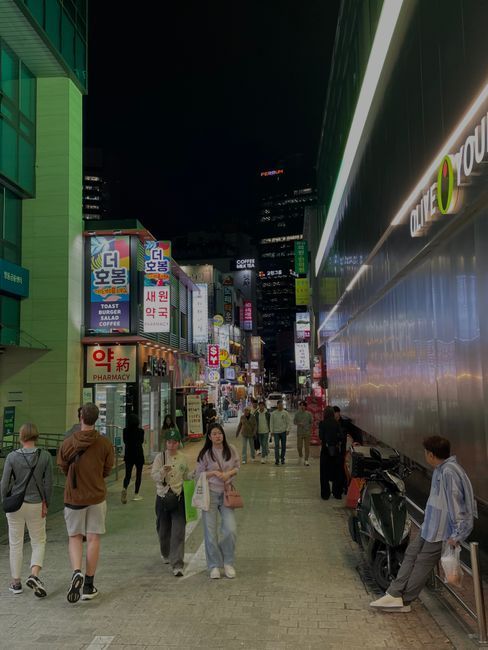
Obliv Clinic Seoul Origin – Myeongdong Premium Branch sits between Myeongdong and Jongno, about 6 minutes on foot from both Jongno 3-ga and Euljiro 3-ga stations. Many visitors stay in hotels around Myeongdong, Euljiro, Jongno or City Hall, and for most of them the clinic is a comfortable walk, a stop or two by subway, or a short taxi ride. Exact time depends on your hotel and the traffic, so check the route in a Korean map app such as Naver Map or KakaoMap before your appointment.
If you are staying right in the Myeongdong shopping streets, walking north towards Euljiro is usually the simplest option on a dry day. In the rainy season or in deep winter, a taxi saves your skin from extra exposure straight after treatment. We send directions in English on WhatsApp once your appointment is confirmed.
Being close to your hotel has a practical benefit: you can go straight back to rest after an injectable booster, wash your face gently in the evening and keep your routine simple. See our Myeongdong skin clinic guide and the walking-distance treatments article for more on the area.
Treatments that build a glass-skin result
Most glass-skin plans combine one hydration treatment with one tone or texture treatment. Hydrating skin boosters place tiny amounts of non-cross-linked or lightly cross-linked hyaluronic acid into the upper dermis, where it binds water and smooths the surface. Reviews of skin boosters describe improvements in hydration, elasticity and fine texture, with effects that build over several weeks rather than appearing as volume.
Skinvive is a hyaluronic acid microdroplet treatment designed for cheek smoothness and glow. Polynucleotide or PDRN boosters such as Rejuran focus more on skin quality and repair, which suits tired or thin-feeling skin. For tone, a gentle toning laser or pigmentation treatment can be added, and LDM ultrasound care is a no-needle way to calm and hydrate.
The table compares the main options. Prices vary by product, amount and combination, so we give a written quote after consultation rather than a menu price; our prices and payment guide explains how this works.
| Option | What it does for glass skin | Typical downtime | When to book on your trip |
|---|---|---|---|
| Hydrating HA booster / Skinvive | Water-binding hydration and a smooth, dewy surface | Small bumps for about 1–2 days | At least 3–5 days before photos |
| PN/PDRN booster (Rejuran-type) | Supports skin quality, texture and fine lines over weeks | Bumps 1–2 days, mild redness | Early in your trip |
| Toning laser / pigment laser | Evens tone and softens dull or blotchy areas | Usually mild redness for hours | Any day; repeat sessions if staying longer |
| LDM (ultrasound) care | Calming, hydrating, pore-refining with no needles | Usually none | Day before an event is fine |
| Pico Fraxel | Texture, pores and old marks | Redness and fine grid marks for a few days | Only with several free days |
Ask a doctor about glass skin treatment
Send a photo and your travel dates on WhatsApp (+82-10-3086-4084). English replies, a personal plan and a written quote before you fly.
Is glass skin treatment right for your skin?
Glass-skin treatments work best on skin that is basically healthy but tired, dry or slightly uneven. If you have active breakouts, a rosacea flare, eczema or an infection, adding needles or lasers can make things worse. In that case the doctor will usually calm the skin first and may suggest a lighter plan for this trip.
It also helps to be realistic. A booster makes skin look more hydrated and refined; it will not lift jowls or fill deep acne scars. If sagging is your main concern, that is a different conversation about lifting treatments, which we cover on our treatments page.
A sample glass-skin plan for a short Seoul stay
Timing is the part visitors most often get wrong. Injectable boosters can leave small raised bumps for a day or two and occasionally a little bruise, so they should come early in your trip, never on the morning of a wedding, photo shoot or important dinner. Gentle laser toning and LDM can be done closer to an event because their visible after-effects are usually mild and short.
With three to five days, a typical plan is consultation and a booster on day one, rest and simple skincare on day two, then an optional LDM or toning session before you fly. With a week or more, the doctor might add a second laser session or a texture treatment if your skin tolerates it. Our article on glass skin in one visit covers the single-appointment version.
What happens at your appointment
Your visit starts with a short questionnaire about medicines, allergies, recent treatments and your travel dates. We then take Mark-Vu skin analysis images, which help the doctor see hydration, pigment and pore patterns that are hard to judge in a mirror. The doctor examines your skin, explains which layer each problem sits in and suggests one or two treatments that match your time in Seoul.
If you agree, numbing cream is usually applied for injectable boosters. The treatment itself typically takes 15 to 30 minutes, depending on the area and technique. Afterwards your settings, products and photos are saved in your Skin Library record, so a future visit in Seoul, or a doctor at home, can see exactly what was done. English consultations are standard, and Chinese or Japanese support can be requested when booking.
- Message us on WhatsApp with your dates and a few photos in daylight.
- Arrive with clean skin or remove makeup at the clinic.
- Mark-Vu analysis and doctor consultation; agree a plan and quote.
- Numbing (if needed), treatment and soothing care.
- Aftercare instructions in English and your Skin Library record.
Aftercare in your hotel room
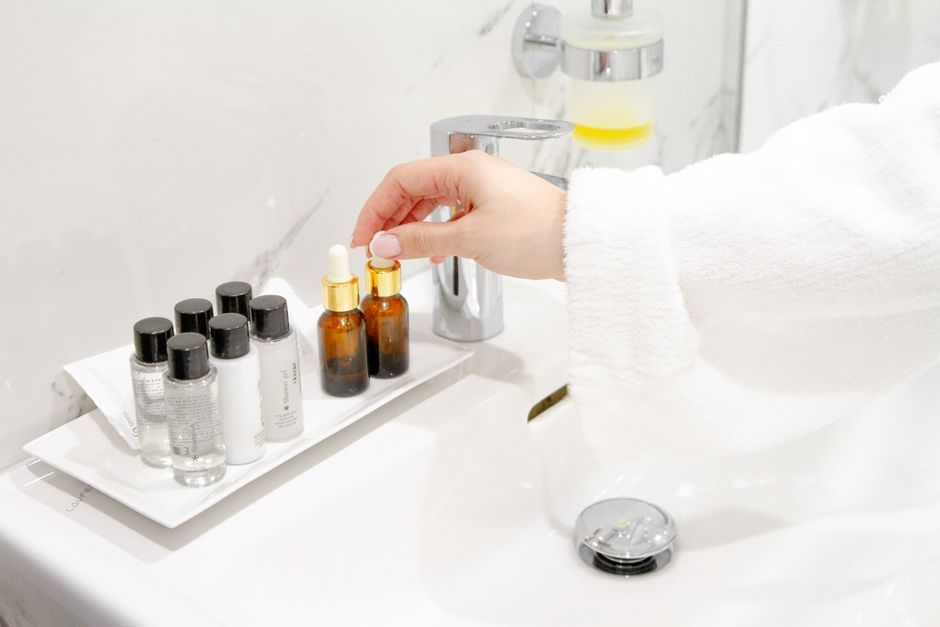
Hotel air is often very dry, especially in winter when heating runs all night, and that works against a dewy finish. Keep a bottle of water by the bed, use a plain fragrance-free moisturiser morning and night, and consider asking the hotel for a humidifier. For the first evening after an injectable booster, wash gently with lukewarm water and avoid rubbing or massaging the treated areas.
Skip saunas, jjimjilbang visits, hot baths, intense workouts and alcohol for about 24 hours after injections, as heat and increased blood flow can make swelling and bruising more noticeable. Use a broad-spectrum sunscreen every day; Seoul's sun can be strong even in cooler months, and freshly treated skin pigments more easily. Our guide to dry hotel air and skin recovery has more tips.
- Gentle cleanser, plain moisturiser and SPF 30+ sunscreen are enough for the first few days.
- Pause retinoids, acids and scrubs for several days, or as your doctor advises.
- Light mineral makeup is usually fine the next day; ask if you are unsure.
- Contact us if you notice increasing pain, spreading redness, blanching or fever.
Choosing a clinic near your hotel safely
Myeongdong has many beauty shops, spas and clinics, and not all of them offer the same level of medical care. For injectable boosters and lasers, choose a clinic where a doctor examines your skin before treatment, explains the product by name and tells you about side effects. Ask to see the product packaging; dermatology bodies warn that counterfeit or unapproved injectables do circulate worldwide.
Be cautious of packages that promise glass skin in one session regardless of your skin type, or that push you to add more treatments on the spot. A good plan for a visitor is usually short and focused. You should also receive written aftercare and a way to contact the clinic after you leave. For an overview of how Obliv works with international patients, see our English-speaking clinic guide or contact us.
Frequently asked questions
What is the best glass skin treatment in Seoul?
There is no single best treatment. For most visitors, a hydrating skin booster combined with gentle laser toning or LDM gives the most natural glass-skin effect. A doctor chooses based on whether dryness, tone or texture is your main issue.
How long does a glass skin treatment take?
The treatment itself usually takes 15 to 30 minutes, plus time for consultation, skin analysis and numbing. Plan on about one to two hours for a first visit.
How soon will I see results?
Hydrating boosters often give a fresher look within a few days once small bumps settle. Collagen-supporting boosters keep improving for two to four weeks.
Can I go sightseeing after a skin booster?
Usually yes, the same or next day, but avoid saunas, heavy exercise and alcohol for about 24 hours, and wear sunscreen and a hat outdoors.
How far is Obliv from Myeongdong hotels?
The clinic is between Myeongdong and Jongno, about 6 minutes on foot from Euljiro 3-ga and Jongno 3-ga stations. From most Myeongdong-area hotels it is a short walk, subway hop or taxi ride; check your exact route in a map app.
How much does glass skin treatment cost?
Cost depends on the product, the amount used and whether a laser is added. We give you a written quote after consultation. Note that Korea's cosmetic-procedure VAT refund for foreign visitors ended on 31 December 2025.
Is glass skin treatment safe for sensitive skin?
Often yes, with adjustments such as gentler lasers or LDM instead of needles. If you have rosacea or eczema, tell the doctor so the plan can be adapted.
Related treatments and guides
Keep reading
- Glass Skin in One Visit in Seoul Korea
- Glass Skin Package + Skin Booster
- Glass Skin Treatments Safe for Sensitive Skin
- Celebrity Glass Skin Treatments in Myeongdong
- Dry Hotel Air Skin Recovery
Ask a doctor about glass skin treatment
Send a photo and your travel dates on WhatsApp (+82-10-3086-4084). English replies, a personal plan and a written quote before you fly.
Sources
- Rho NK et al. Injectable "Skin Boosters" in Aging Skin Rejuvenation: A Current Overview. Archives of Plastic Surgery, 2024 (PMC)
- American Society of Plastic Surgeons – What are injectable moisturizers, and do you need them?
- American Academy of Dermatology Association – Statement on reports of counterfeit injectables
- American Academy of Dermatology – How to select a sunscreen