Celebrity Glass Skin Treatments in Myeongdong

Quick answer
So-called celebrity glass skin is usually the result of months of consistent care, not one secret treatment: daily sun protection, steady hydration, and clinic treatments such as low-energy laser toning for even tone, hyaluronic acid or polynucleotide (Rejuran) skin boosters for moisture and texture, and LDM for calm skin. At Obliv Clinic Seoul Origin, between Myeongdong and Jongno in Seoul, a doctor reads your skin layer by layer and builds a realistic plan, often three to four sessions spaced a few weeks apart.
Key takeaways
- The polished skin you see on Korean screens combines healthy skin with professional lighting, makeup and editing; treatment improves the first part.
- The most common clinic building blocks are laser toning, skin boosters such as hyaluronic acid or Rejuran, and calming LDM.
- Results build over a series: most plans use three to four sessions a few weeks apart, then maintenance.
- Strong lasers on melasma-prone or tanned skin can backfire; settings matter more than the device name.
- Daily broad-spectrum sunscreen keeps the glow; without it, pigment and dullness return quickly.
What 'celebrity glass skin' actually is
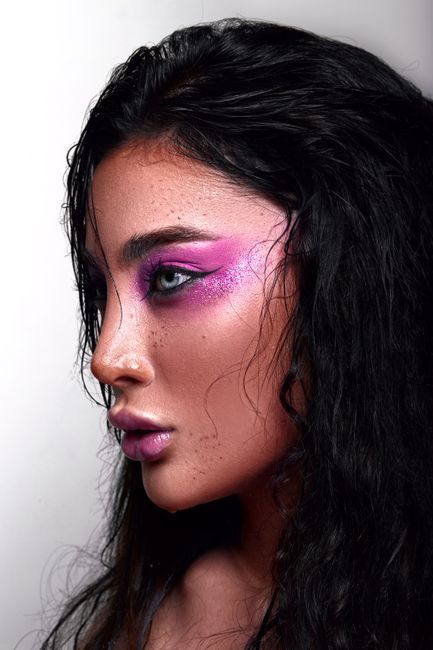
Glass skin, or yuri pibu in Korean beauty slang, describes skin so even and hydrated that it seems to reflect light like glass. The look became famous through Korean dramas, music videos and beauty campaigns, and many visitors to Myeongdong ask for the treatments behind it.
It is worth being honest: what you see on screen combines genuinely healthy skin with professional lighting, skilled makeup and often digital retouching. No treatment makes skin look like a filter in person. What clinic care can do is improve the things underneath the makeup: hydration, evenness of tone, fine texture and redness, so that skin looks fresher and makeup sits more smoothly.
That is still a meaningful change, and it is why a glass skin plan focuses on skin quality rather than altering your features. Our dull and dehydrated skin guide explains the causes doctors look for first.
The clinic building blocks
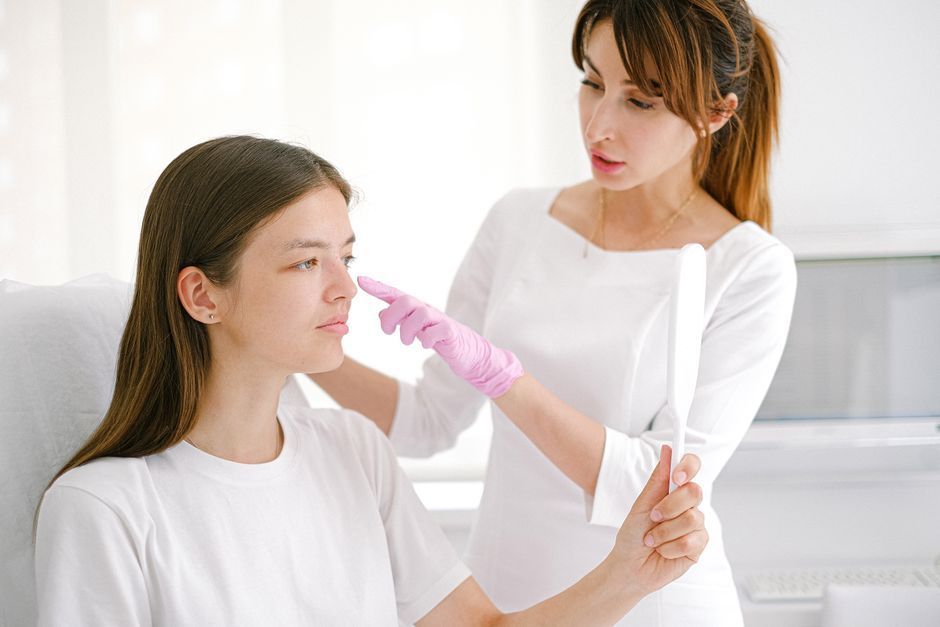
Most Korean glow plans draw on a small set of tools. Low-energy laser toning evens out tone and softens some pigment with little downtime; our hyperpigmentation page explains how pigment types differ. Hyaluronic acid skin boosters add water-binding moisture inside the skin, which creates much of the dewy effect.
Rejuran, a polynucleotide (PN) booster derived from salmon DNA, is popular for thin, tired or post-acne skin, and Skinvive is a microdroplet hyaluronic acid injectable approved by the US FDA for cheek smoothness. LDM ultrasound calms redness and supports the barrier, and pairs well with the others.
The table summarises what each one targets. Your doctor chooses the combination from your skin, not from a fixed menu.
| Treatment | What it targets | Downtime | Typical plan |
|---|---|---|---|
| Laser toning | Uneven tone, dullness, some pigment | Mild redness for hours | Series of sessions |
| HA skin booster | Hydration, fine lines, dewy look | Small bumps 1–2 days | 2–3 sessions, then maintenance |
| Rejuran (PN) | Texture, thin or stressed skin | Visible bumps 1–2 days | Series a few weeks apart |
| Skinvive | Cheek smoothness and glow | Bumps or swelling 1–2 days | Single session, repeat later |
| LDM ultrasound | Calm, barrier support | None | Can combine with any of the above |
How a doctor builds your plan
At Obliv Clinic Seoul Origin we use the Skin Architecture method: read the concern as layers, then choose energy, depth and dose for each layer. For glass skin, that might mean pigment and redness in the epidermis, dehydration and fine lines in the upper dermis, and in some people early laxity deeper down that affects how light falls on the face.
Mark-Vu skin analysis imaging shows pigment, redness, pores and texture beneath the surface, which helps explain why two people asking for the same look may need different treatments. One person may need mainly hydration; another needs pigment control first, because boosting moisture on uneven skin only makes the unevenness glossier.
Your treatments, settings and photos are stored in your Skin Library record, so the plan can continue across trips. See the About page for how our five physicians work.
Ask a doctor about celebrity-style glass skin
Send a photo and your travel dates on WhatsApp (+82-10-3086-4084). English replies, a personal plan and a written quote before you fly.
Who suits a glass skin plan
Glow-focused treatments work best when the skin is calm. If you have active, inflamed acne, rosacea or an eczema flare, those come first; trying to create glass skin on top of inflammation usually disappoints. Our acne guide explains how we approach breakouts.
Melasma needs particular care. Overly strong or frequent laser sessions can worsen it, especially in darker or Asian skin types, so plans for melasma-prone skin use gentle settings, longer intervals and strict sun protection. A fresh tan or sunburn also means waiting.
A realistic timeline
Glass skin is built, not switched on. Hydration from a booster becomes noticeable within a week as bumps settle, and tone improves gradually with each laser session. Many people see the clarity they hoped for after about three sessions over six to eight weeks, then keep it with maintenance every few months.
If you are only in Seoul once, a single session can still make skin noticeably fresher. Our article on glass skin in one visit explains what one appointment can realistically achieve.
Aftercare and the daily routine behind the glow
Celebrities with famously clear skin tend to have one thing in common: very consistent daily care. Broad-spectrum sunscreen of SPF 30 or higher every morning is the single most important habit for keeping tone even, as the American Academy of Dermatology emphasises. A gentle cleanser, a moisturiser suited to your skin type and, if your doctor agrees, a mild retinoid or vitamin C complete the routine.
After boosters, avoid makeup for a few hours if possible and skip saunas, hot yoga and alcohol-heavy nights for a day or two. After laser toning, keep skin moisturised and protected from the sun. Avoid harsh scrubs and peels for about a week.
- SPF 30+ every morning, reapplied if you are outdoors.
- Gentle cleanser and a simple moisturiser; fewer products often work better.
- No picking, scrubbing or new strong actives in the week after treatment.
- Good sleep and hydration, especially when travelling.
Booking glass skin treatment in Myeongdong
Our Myeongdong Premium Branch is between Myeongdong and Jongno, about six minutes on foot from Jongno 3-ga and Euljiro 3-ga stations. Send a few natural-light photos, your travel dates and any skin history to our English-speaking team on WhatsApp at +82-10-3086-4084, and we will suggest a plan that fits your stay. Chinese and Japanese support can be requested when booking.
Prices depend on the products and number of sessions, and we confirm them after consultation. Note that the cosmetic-procedure VAT refund for foreign patients ended on 31 December 2025. For more glow-focused reading, see our glass skin package guide.
Frequently asked questions
What treatments do Korean celebrities use for glass skin?
We cannot speak for any individual, but common clinic approaches in Korea include laser toning, hyaluronic acid or polynucleotide skin boosters, and calming treatments such as LDM, combined with strict daily sun protection.
How many sessions do I need?
Many people see good results after about three sessions spaced three to four weeks apart, followed by maintenance every few months.
Is there downtime?
Laser toning usually causes mild redness for a few hours. Boosters can leave small bumps for one to two days and occasional tiny bruises.
Can I get glass skin if I have melasma?
Often yes, with gentle settings, longer intervals and strict sun protection. Aggressive lasers can worsen melasma, so a doctor should plan treatment.
Is Rejuran better than a hyaluronic acid booster?
They do different jobs. Hyaluronic acid adds hydration; Rejuran is chosen more for texture and skin repair. Some plans combine both.
Will results last?
Hydration from boosters typically lasts several months. Tone improvement lasts longer with daily sunscreen and occasional maintenance.
Can I have treatment during a short trip?
Yes. A single session can noticeably freshen skin, and your Skin Library record lets you continue the series on a future visit.
Related treatments and guides
Keep reading
- Glass Skin Package + Skin Booster
- Glass Skin in One Visit in Seoul Korea
- Glass Skin Treatments Safe for Sensitive Skin
- Most Instagrammable Skin Treatments in Myeongdong
- Ultimate Korean Glow Package in Myeongdong
Ask a doctor about celebrity-style glass skin
Send a photo and your travel dates on WhatsApp (+82-10-3086-4084). English replies, a personal plan and a written quote before you fly.
Sources