Most Instagrammable Skin Treatments in Myeongdong

Quick answer
The skin treatments that look best on camera are those that improve glow, evenness and texture without changing your face : hydrating skin boosters such as Skinvive or Rejuran, laser toning for dullness and uneven tone, Pico Fraxel for texture, and subtle lifting such as Ultherapy or Thermage. Results usually photograph best one to four weeks later, not on the day. At Obliv near Myeongdong and Jongno, a doctor times treatments around your photos and trip.
Key takeaways
- 'Instagrammable' skin is hydrated, even and smooth, which is what boosters, laser toning and resurfacing aim for.
- Most results look best one to four weeks after treatment, once bumps, pinkness or swelling have settled.
- Lifting devices give gradual, subtle change over months, not an instant before-and-after.
- Filters and lighting change photos more than most treatments; be wary of results that look too dramatic.
- Choose treatments for your skin, not for a trend; a doctor should check for melasma, rosacea and other conditions first.
What makes a treatment look good on camera
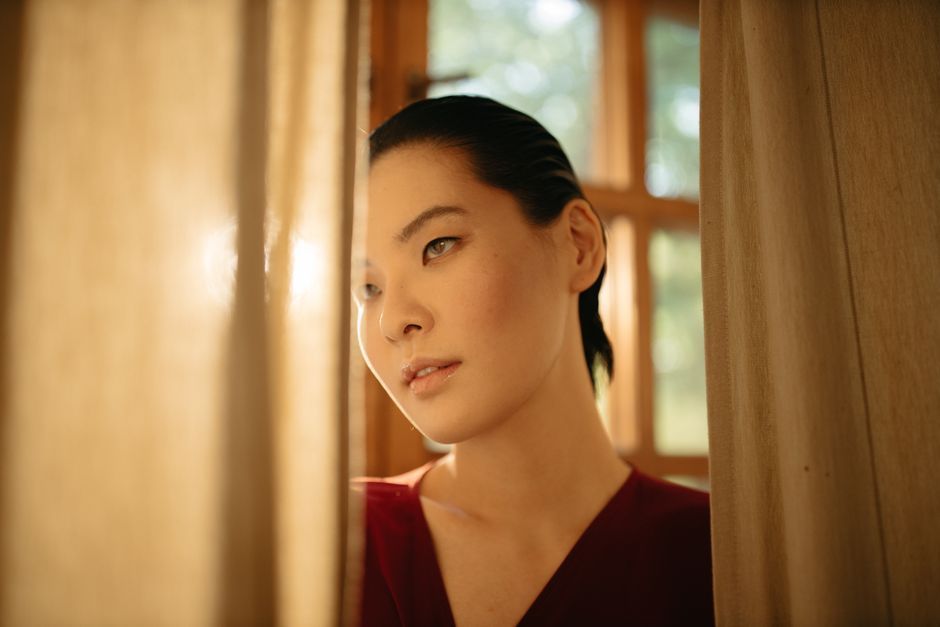
Cameras love skin that reflects light evenly. That depends on three things: hydration in the outer layers, an even colour without blotches or redness, and a smooth surface without enlarged pores or rough texture. The Korean idea of 'glass skin' is essentially all three together. Treatments that target these layers tend to show up well in photos.
What photographs badly is anything that looks unnatural or freshly treated: visible bumps from injections, pinkness after laser, a swollen lip or an overfilled cheek. The most 'Instagrammable' plan is therefore about timing and restraint as much as the treatment itself. Our guide to celebrity glass skin treatments covers the same goal from another angle.
Skin boosters for glow
Skin boosters are tiny injections of hydrating or regenerative material into the skin. Hyaluronic acid boosters such as Skinvive attract water and smooth fine lines, often visible within one to two weeks. Polynucleotide or PDRN boosters such as Rejuran and salmon DNA injections aim to improve texture and elasticity more gradually over a course.
A 2024 review in Archives of Plastic Surgery describes skin boosters as a growing category with promising but still developing evidence, and notes that results vary by product and technique. Expect small bumps for hours to a couple of days and a chance of bruising, so book them at least a week before important photos.
Laser toning and resurfacing
Laser toning uses low-energy laser passes to even out dullness and uneven tone. It is popular in Korea because downtime is minimal, but tone changes usually build over several sessions rather than one. If you have melasma, a doctor should choose settings carefully, because aggressive laser can make it worse.
Pico Fraxel creates tiny treatment zones to improve pores, texture and acne marks. It photographs well two to four weeks later but leaves redness and fine dots for days. Mayo Clinic notes that laser resurfacing results depend on skin type and settings, and that darker skin types need particular care to avoid pigment changes.
Ask a doctor about photo-ready skin treatments
Send a photo and your travel dates on WhatsApp (+82-10-3086-4084). English replies, a personal plan and a written quote before you fly.
Subtle lifting and contour
Lifting devices such as Ultherapy and Thermage work by heating deeper layers to stimulate collagen. Changes are gradual, typically developing over two to six months, and are subtle by design. They suit people who want a fresher jawline and firmer skin in photos taken months later, not at the end of a short trip.
Be cautious of anyone promising dramatic lifting from a single device session. Real results are modest and vary between people; a doctor should tell you honestly whether a device, a booster or no treatment at all suits your face.
How the options compare
This table shows what each popular option improves and when it usually looks best. Your doctor may adjust timing based on your skin type and goals.
| Treatment | What it improves | Best photo timing | Downtime |
|---|---|---|---|
| Skinvive (HA booster) | Hydration, fine lines, glow | 1–2 weeks after | Bumps hours to 1 day |
| Rejuran / salmon DNA | Texture, elasticity | 3–6 weeks after a course | Bumps about 1–2 days |
| Laser toning | Dullness, uneven tone | After several sessions | Pinkness for hours |
| Pico Fraxel | Pores, texture, scars | 2–4 weeks after | Redness 1–3 days, dots ~1 week |
| Ultherapy / Thermage | Firmness, contour | 2–6 months after | Minimal; tenderness possible |
Which treatments suit a photo-focused trip
The left column lists treatments that photograph well when timed properly. The right column lists situations where you are more likely to end up with visible marks on the day or a result you regret. Social media trends change quickly; your skin type does not.
Timing your treatments around photos
Work backwards from the day you want to look your best. Treatments that build collagen or need a course start four to six weeks before. Treatments with bumps or pinkness belong at least a week ahead. In the last few days, focus on hydration, sleep and sun protection rather than anything new.
If you are only in Seoul for a few days, choose one low-downtime treatment and plan photos for the end of the trip or after you get home. See overnight glow before vacation photos for last-minute options.
Taking photos without compromising aftercare
After treatment, avoid ring lights and strong flash for close-ups on the day; they exaggerate pinkness and bumps. Soft daylight, a little moisturiser and a thin base are kinder. Wear sunscreen outdoors, especially after laser, and avoid saunas or heavy sweating on treatment day.
We respect privacy in the clinic. If you would like progress photos, our team records them in your Skin Library using consistent lighting, which is a more honest way to track change than phone selfies. Ask about dull, dehydrated skin or large pores if those are your main concerns.
Frequently asked questions
What is the most Instagrammable skin treatment?
Usually a hydrating skin booster or laser toning, because they improve glow and evenness without changing your features. The best choice depends on your skin.
How soon after a skin booster can I take photos?
Small bumps usually settle within hours to two days. For important photos, allow about one to two weeks so hydration effects are visible.
Does laser toning give instant glass skin?
Skin may look a little brighter soon after, but tone improvements usually build over several sessions. It is not an instant transformation.
Can I post photos right after Ultherapy or Thermage?
You can, but changes are gradual and develop over two to six months. Early photos rarely show the final result.
Are dramatic before-and-after photos realistic?
Often not. Lighting, make-up and filters change photos a lot. Ask a doctor what is realistic for your skin.
Which treatments should I avoid before a photoshoot?
Avoid new injections within about three days and resurfacing lasers within a week of an important shoot.
Can I take photos in the clinic?
Ask our team. We protect other patients' privacy, and we can record progress photos in your Skin Library with consistent lighting.
Related treatments and guides
Keep reading
- Celebrity Glass Skin Treatments in Myeongdong
- Overnight Skin Glow Before Your Seoul Vacation Photos
- Glass Skin in One Visit in Seoul Korea
- Emergency Acne Injection Before Your Korea Photoshoot
- Skinvive vs Rejuran Korea
Ask a doctor about photo-ready skin treatments
Send a photo and your travel dates on WhatsApp (+82-10-3086-4084). English replies, a personal plan and a written quote before you fly.
Sources