Corn Removal Without Surgery
Corn Removal Without Surgery
Corn removal without surgery is often possible, especially when the corn is caused by pressure, friction, or poorly fitting footwear. Treatment may include reducing pressure on the affected area, using protective padding, gradually softening thickened skin, applying appropriate keratolytic treatments such as salicylic acid, or having the hardened skin professionally reduced.
Most corns develop because the skin repeatedly experiences friction or pressure. Removing that underlying cause is therefore an important part of treatment—not simply removing the visible hard skin.
What Is a Corn?
A corn is a small, concentrated area of thickened skin that usually develops over a pressure point.
Unlike a broader callus, a corn tends to have a hard central area and may become painful when pressed. Common locations include:
- Tops or sides of the toes
- The outer side of the little toe
- Between the toes
- Areas that repeatedly rub against footwear
Corns and calluses are related but are not exactly the same. Corns are generally smaller and deeper, while calluses tend to cover larger pressure areas.
Can a Corn Be Removed Without Surgery?
Yes. Surgery is not usually the first treatment for a straightforward corn.
For many people, the corn improves when the repeated pressure or friction is corrected. Treatment can include better-fitting footwear, protective pads, gradual removal of excess thickened skin, and topical products designed to soften the corn.
Surgery may be considered when an underlying structural problem—such as a bone or toe alignment issue—continues to create pressure and conservative treatment does not provide sufficient relief.
Non-Surgical Corn Removal Options
Pressure Relief and Better Footwear
One of the most important steps is identifying what is repeatedly pressing against the corn.
Shoes that are too narrow, short, stiff, or pointed can compress the toes and increase friction. Choosing shoes with sufficient room around the toes can reduce the mechanical stress responsible for the corn.
The American Academy of Dermatology recommends properly fitting footwear and notes that many corns gradually improve when the source of friction or pressure is removed.
Protective Corn Pads
A nonmedicated donut-shaped pad can surround the corn and reduce direct contact with the shoe.
This can be particularly useful when you need to continue walking or working while the skin heals.
The pad should reduce pressure rather than create additional pressure by making the shoe too tight.
Gentle Reduction of Thickened Skin
For people without underlying foot-health problems, softened thickened skin can sometimes be gently reduced with a pumice stone or foot file.
The goal is gradual thinning, not removing the entire corn in one session.
Dermatologists caution against taking off too much skin because bleeding and infection can result.
Professional Corn Reduction
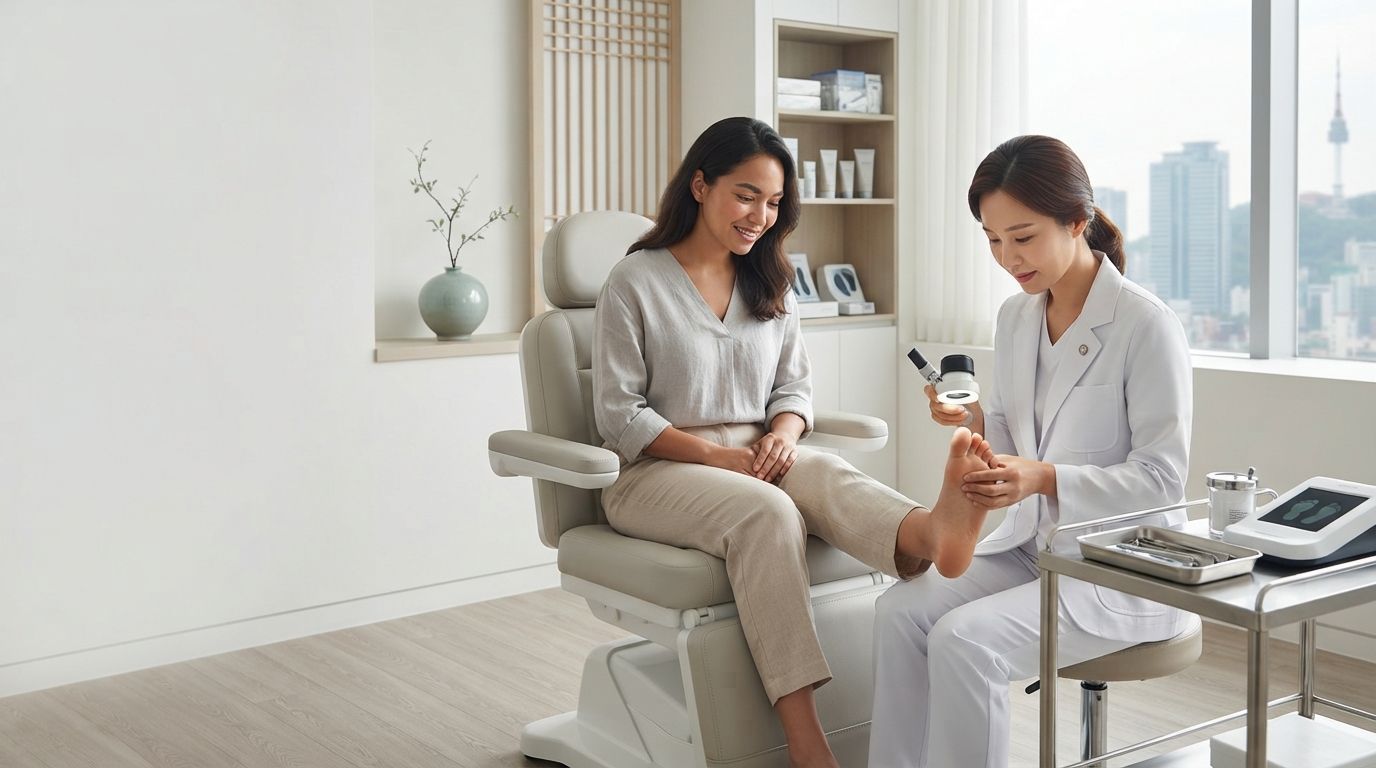
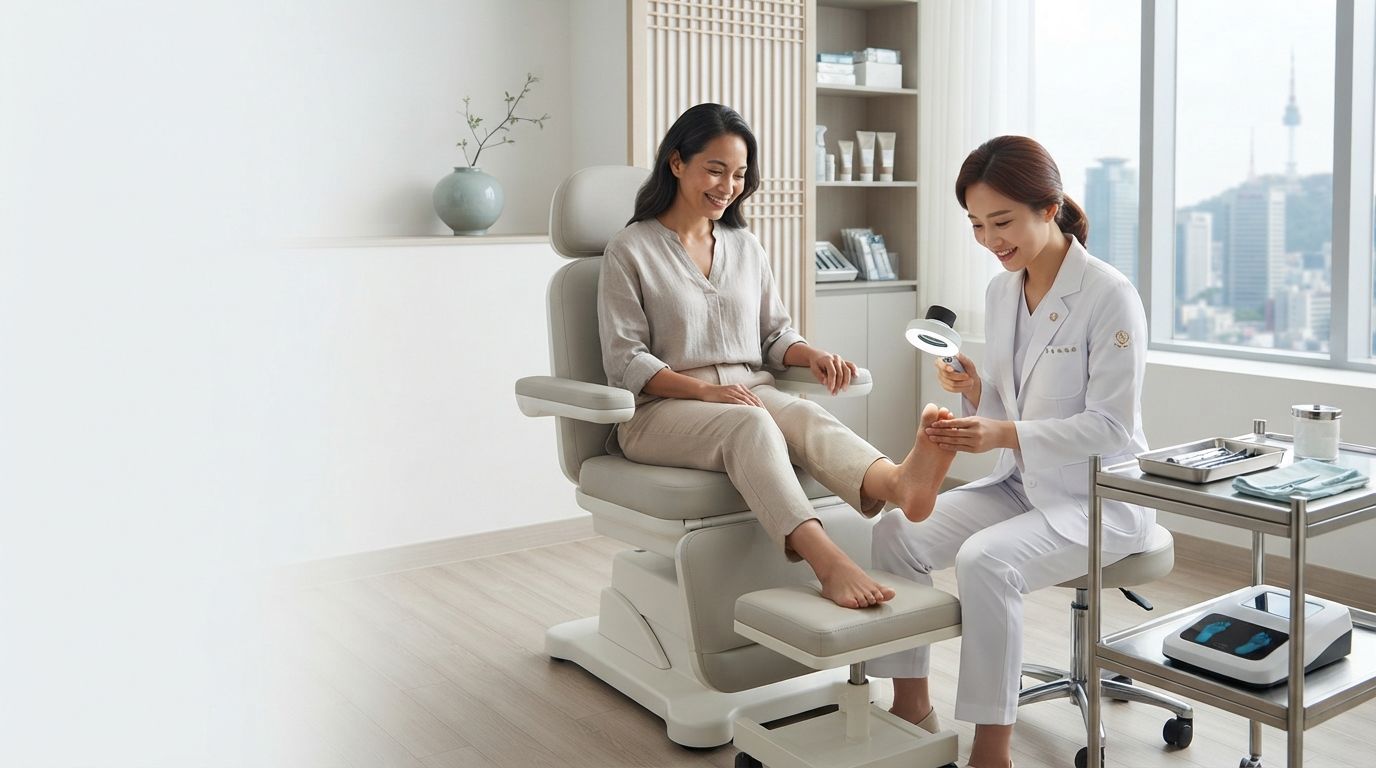
A healthcare professional can examine the lesion and, when appropriate, carefully pare down excess hardened skin during an office visit.
This is different from surgery: there is no correction of the underlying bone and no major surgical procedure involved.
Professional assessment is also useful when it is unclear whether the lesion is actually a corn. Warts and other skin lesions can sometimes resemble thickened corns.
Salicylic Acid Treatments
Salicylic acid is a keratolytic ingredient that can gradually soften and remove thickened skin.
Some corn-removal patches, gels, and liquids contain salicylic acid. Certain products use relatively high concentrations, so they should be used according to their instructions or a healthcare professional's advice.
Salicylic acid can irritate healthy surrounding skin. People with diabetes or poor circulation should not self-treat corns with medicated corn removers without medical guidance.
Can You Remove a Corn at Home?
If you are otherwise healthy and the lesion is mild, conservative home care may be reasonable.
A typical approach includes:
- Soak the foot briefly in warm water to soften the skin.
- Gently file or rub the thickened area.
- Apply moisturizer regularly.
- Use a nonmedicated protective pad if footwear causes pressure.
- Change to comfortable, properly fitting shoes.
- Avoid cutting the corn with a razor, blade, scissors, or other sharp instrument.
Mayo Clinic specifically advises against cutting or trimming a corn yourself because this can cause injury and infection.
Why Does a Corn Keep Coming Back?
Removing the thick skin does not necessarily remove the cause.
A corn may recur if you continue to have:
- Narrow footwear
- Repeated toe pressure
- High friction during walking
- A prominent bone
- Hammertoe or another toe deformity
- Abnormal pressure distribution
- Footwear that repeatedly rubs the same location
If the corn keeps returning in exactly the same location, the underlying mechanical cause should be assessed rather than repeatedly removing the skin.
When Is Surgery Actually Considered?
Most uncomplicated corns can initially be managed conservatively.
Surgery may become an option when an underlying structural abnormality continues to create significant pressure and non-surgical measures have not worked.
For example, a bone alignment problem can repeatedly push against footwear and cause a corn to return. In such cases, correcting the mechanical cause may be considered.
This does not mean that every recurring corn requires surgery. A medical assessment is needed to determine the cause and appropriate treatment.
Corn Removal Without Surgery for Travelers
If you are visiting Seoul for a short trip, a painful corn can become particularly inconvenient because sightseeing often involves substantial walking.
Before a long day of walking:
- Wear shoes with adequate toe room.
- Use a nonmedicated protective pad if appropriate.
- Avoid shoes that repeatedly rub the corn.
- Do not aggressively scrape the area immediately before extensive walking.
- Consider professional assessment if pain is affecting your itinerary.
If you are considering professional foot care during a medical or beauty trip, verify whether the provider offers clinical assessment and corn treatment, rather than assuming that every pedicure or foot-care service treats medical conditions.
When Should You See a Healthcare Professional?
Professional evaluation is appropriate when the corn:
- Is very painful
- Becomes red or inflamed
- Keeps returning
- Does not improve with pressure relief
- Makes normal walking difficult
- Appears unusual or changes
- May actually be a wart or another skin lesion
People with diabetes, poor circulation, or reduced sensation in the feet should seek professional advice before attempting corn removal themselves. Even relatively small foot injuries can become more serious in these situations.
How Much Does Non-Surgical Corn Removal Cost?
The cost depends on the type of care required.
Factors can include:
- Consultation or examination
- Professional reduction of the corn
- Topical treatment
- Protective padding
- Treatment of an underlying foot problem
- Additional evaluation if the diagnosis is uncertain
Because clinic fees and treatment packages vary, patients should confirm the current price directly with the provider before treatment.
Final Takeaway
Corn removal without surgery is often possible. The most effective approach usually combines removal or reduction of the thickened skin with correction of the pressure or friction that caused it.
For mild corns, better footwear, protective padding, moisturization, and careful gradual skin reduction may be enough. Persistent or painful corns may benefit from professional assessment and non-surgical treatment.
If a corn repeatedly returns in the same location, the key question is not simply how to remove it—it is why that area keeps receiving excessive pressure. Addressing that cause can be essential for longer-term improvement.