Medical Foot Care Clinic in Myeongdong Seoul
Medical Foot Care Clinic in Myeongdong Seoul
Finding a medical foot care clinic in Myeongdong Seoul can be useful for travelers and international patients dealing with foot pain, toenail problems, calluses, cracked heels, plantar warts, or other conditions that make walking uncomfortable.
Myeongdong is one of Seoul's busiest areas for international visitors, so foot problems can become particularly inconvenient when a trip involves extensive walking, shopping, sightseeing, and public transportation.
Medical foot care is different from a conventional foot massage or beauty pedicure. A medical provider can assess whether a foot or toenail problem requires clinical treatment and determine whether additional evaluation is appropriate.
What Is Medical Foot Care?
Medical foot care focuses on diagnosing, managing, or treating problems affecting the feet, toenails, and surrounding skin.
Depending on the provider and the patient's condition, services may include:
- Ingrown toenail assessment
- Thick or discolored toenail care
- Suspected fungal nail treatment
- Plantar wart management
- Callus and hardened-skin treatment
- Cracked heel care
- Nail and skin assessment
- Foot pain evaluation
- Medical or therapeutic foot care
Some clinics also offer cosmetic or aesthetic foot services, but these should be distinguished from treatment of an underlying medical condition.
Why Visit a Foot Care Clinic in Myeongdong?
Convenient for International Travelers
Myeongdong is centrally located and is a popular base for visitors to Seoul. A foot problem that might seem minor can become much more noticeable after spending several hours walking around the city.
A medical foot consultation can be useful when symptoms persist or interfere with normal activities.
Foot Problems Can Have Different Causes
A thick toenail, for example, is not automatically caused by a fungal infection. Trauma, repeated pressure, inflammatory skin conditions, and other problems can also affect the nail.
Similarly, painful areas of hardened skin may be related to footwear, pressure, friction, or an underlying foot problem.
For this reason, identifying the cause is an important part of appropriate treatment.
Common Foot Problems Treated
Ingrown Toenails
An ingrown toenail occurs when the edge of the nail grows into the surrounding skin. Pain, swelling, and inflammation can occur around the affected nail.
Treatment depends on severity and whether there is infection or recurrent disease. Avoid attempting aggressive self-treatment if the area is significantly painful, swollen, or draining.
Fungal Toenails
Fungal nail infections can cause changes such as:
- Nail thickening
- Yellow or white discoloration
- Brittle nails
- Changes in nail shape
- Debris underneath the nail
Diagnosis can sometimes require examination or laboratory testing because several nail conditions can resemble fungal infection.
Plantar Warts
Plantar warts develop on the soles of the feet and may become uncomfortable when walking.
Treatment options can vary depending on the size, location, duration, and previous treatment history. A medical provider can determine whether the lesion is actually a wart before treatment.
Calluses
Calluses are areas of thickened skin that commonly develop where repeated pressure or friction occurs.
Treatment may involve reducing the source of pressure, appropriate foot care, and professionally performed removal when indicated.
Cracked Heels
Dry, cracked heels are common and can range from superficial dryness to deeper fissures that become painful.
A treatment plan may involve moisturization, reduction of excessive hard skin, footwear changes, and treatment of any underlying skin condition.
Medical Foot Care vs. Foot Massage or Pedicure
These services are not interchangeable.
ServiceMain PurposeMedical foot careAssessment and treatment of foot or nail problemsMedical pedicureTherapeutic care for nails and foot skinBeauty pedicureCosmetic nail and foot groomingFoot massageRelaxation and temporary comfortDermatology consultationDiagnosis and treatment of skin or nail disorders
A relaxing foot massage may feel beneficial after a long day of sightseeing, but it does not replace medical assessment of an infected ingrown toenail, suspected fungal infection, wart, or persistent foot pain.
What Happens During a Medical Foot Consultation?
A typical consultation may involve several steps.
1. Medical History
The provider may ask about:
- When symptoms started
- Previous treatments
- Pain or itching
- Recurrence
- Existing medical conditions
- Current medications
- Previous foot injuries
2. Examination
The foot, skin, and toenails may be examined to identify the likely cause of the problem.
3. Treatment Planning
The provider can explain whether treatment is appropriate immediately or whether additional testing or specialist evaluation is necessary.
4. Aftercare
Depending on the procedure, you may receive instructions regarding footwear, nail care, wound care, medication, or follow-up.
Foot Care for Tourists in Seoul
International travelers should consider their itinerary when arranging treatment.
If you are spending several days walking around Seoul, ask the provider about:
- Expected soreness after treatment
- Whether normal walking is appropriate
- Whether bandaging is required
- Whether swimming should be avoided
- Whether you can wear closed shoes afterward
- Whether follow-up is necessary before your flight
Some foot-care providers in Seoul specifically market services to international patients and tourists, including care for toenail problems, plantar warts, calluses, cracked heels, and related concerns.
How to Choose a Medical Foot Care Clinic in Myeongdong
When comparing providers, look beyond the words "foot care."
Consider:
Medical Qualifications
Check whether the provider is a licensed medical professional and whether the service is appropriate for your specific condition.
Treatment Scope
Confirm that the clinic actually treats the problem you have. A beauty or massage establishment may offer foot care without providing medical diagnosis or treatment.
Communication
International patients may benefit from a clinic that offers English or other language support, particularly when discussing symptoms, medications, allergies, and aftercare.
Location
Check the exact address rather than relying only on "Myeongdong" in a clinic's marketing. Some providers serving Myeongdong-area visitors are technically located in neighboring districts.
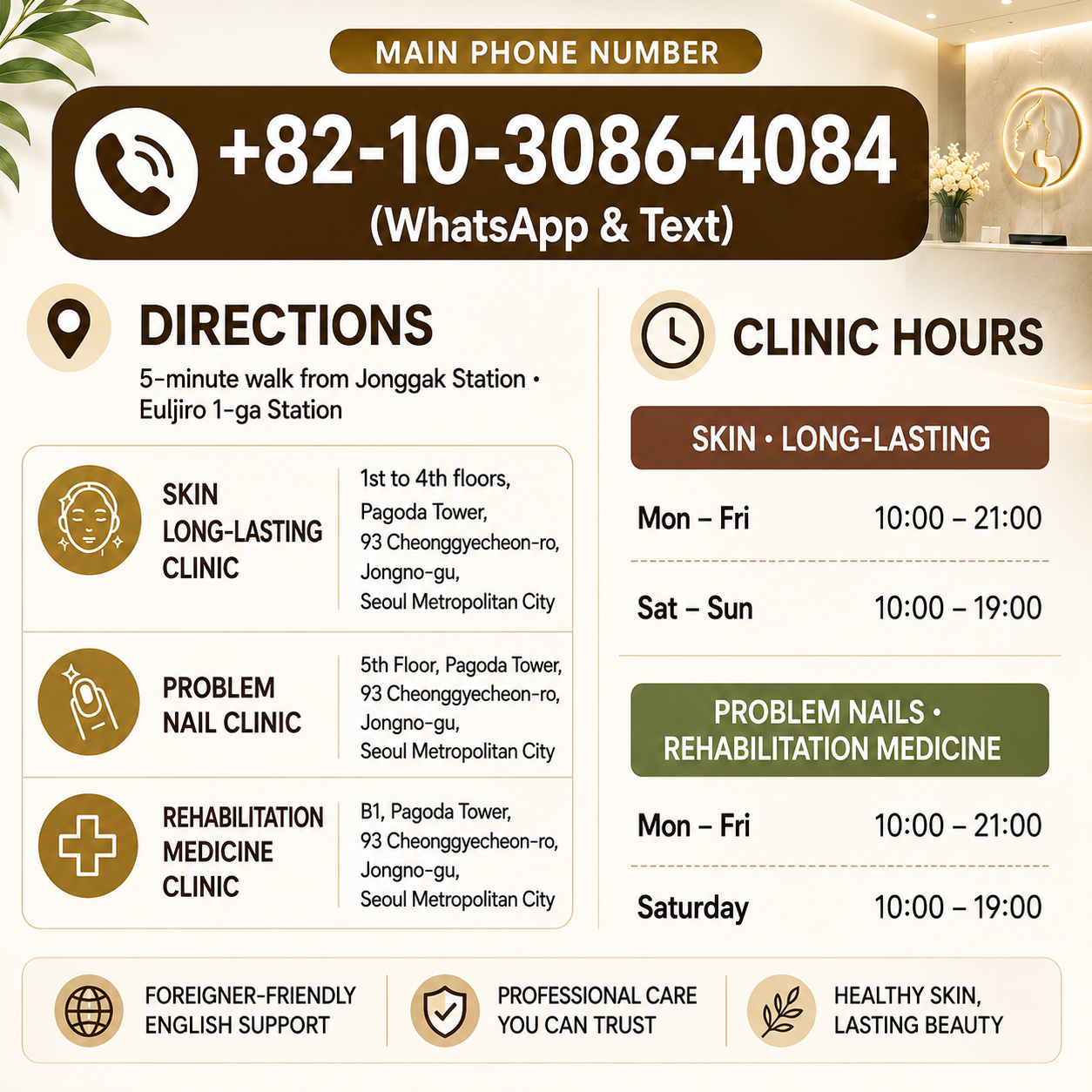
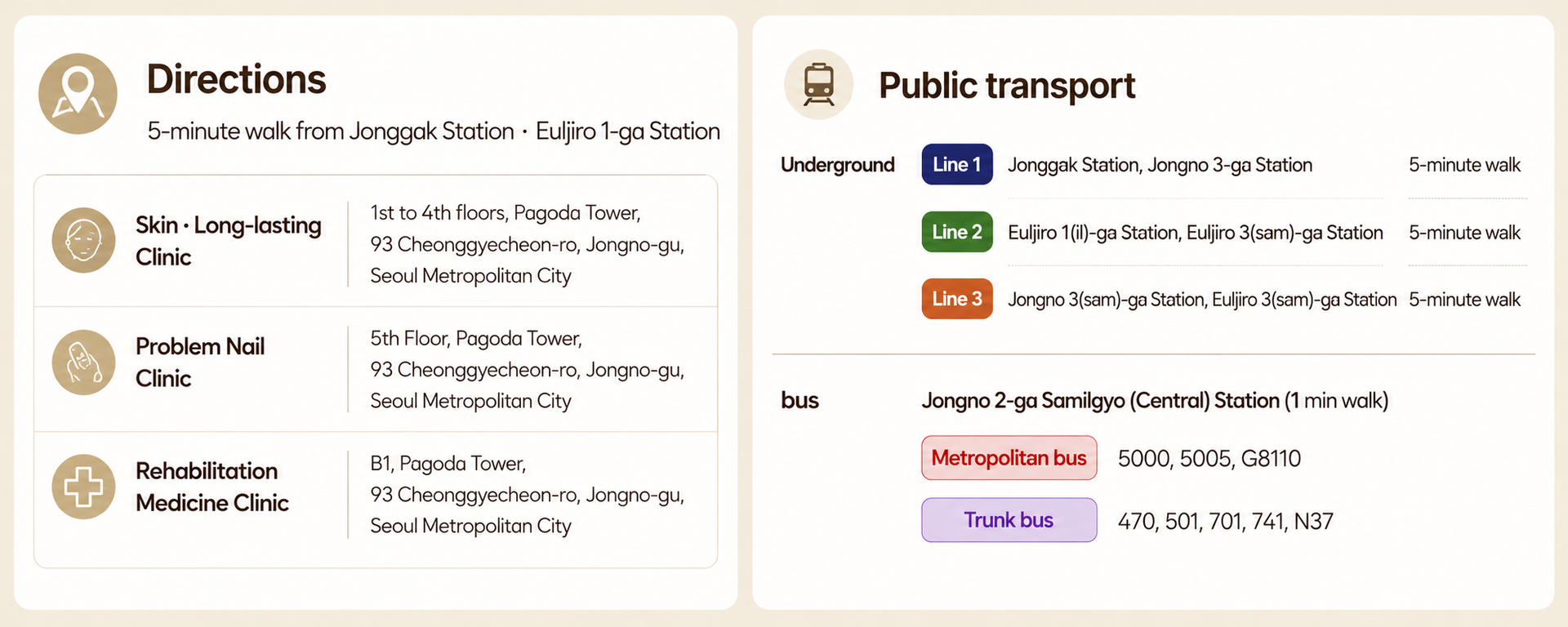
For example, OBLIV Clinic advertises foreigner-friendly foot and toenail care and lists its address at 93 Cheonggyecheon-ro in Jongno-gu, Seoul, rather than within Jung-gu's Myeongdong neighborhood.
When Should You Seek Medical Attention?
Consider professional evaluation if you have:
- Persistent or worsening foot pain
- Significant swelling or redness
- Pus or drainage
- A painful ingrown toenail
- A rapidly changing toenail
- A suspected infection
- A persistent wart
- Deep or bleeding heel cracks
- A foot problem that makes walking difficult
People with diabetes, reduced sensation, poor circulation, or conditions that affect wound healing should be particularly cautious about self-treating foot problems.
How Much Does Medical Foot Care Cost in Myeongdong?
The cost varies according to the condition, examination, treatment method, number of affected nails or areas, and whether additional procedures or testing are required.
There is no single standard price for "medical foot care."
Before treatment, international patients should ask:
- Is consultation included?
- Is the quoted price per foot, nail, lesion, or session?
- Are diagnostic tests charged separately?
- Is medication included?
- Will follow-up treatment be required?
- Are there additional charges for procedures?
Always confirm the current price directly with the provider because fees and treatment plans can change.
Final Takeaway
A medical foot care clinic in Myeongdong Seoul can be useful for travelers who develop or already have toenail, skin, wart, callus, heel, or foot-pain problems during their stay.
The key distinction is between medical treatment and cosmetic or relaxation services. If the problem involves pain, infection, an abnormal toenail, a wart, persistent skin changes, or difficulty walking, choose a provider capable of medical assessment rather than relying solely on a standard pedicure or foot massage.
For international patients, confirming the provider's qualifications, exact location, language support, treatment options, aftercare, and current pricing before the appointment can make the experience considerably easier.