Thick Toenail Treatment in Myeongdong
Thick Toenail Treatment in Myeongdong
If you are looking for thick toenail treatment in Myeongdong, the first step is identifying why the nail has become thick. A thick toenail is not always caused by fungus. Toenail trauma, repeated pressure from shoes, psoriasis, aging-related nail changes, and other nail disorders can also cause thickening.
Fungal nail infection, medically known as onychomycosis, is one common cause. Typical signs can include thickening, yellow or white discoloration, brittleness, crumbling, nail lifting, or debris beneath the nail.
For international visitors in Seoul, a dermatology or specialized medical foot-care consultation in Myeongdong can help determine the cause before treatment is selected.
Why Do Toenails Become Thick?
Toenail thickening can develop for several different reasons.
Common causes include:
- Fungal nail infection
- Repeated trauma from footwear
- Pressure from tight shoes
- Previous nail injury
- Psoriasis or other inflammatory skin conditions
- Naturally slower nail growth with age
- Certain less common nail disorders
Because several conditions can produce similar-looking nails, simply treating a thick nail as fungus is not always appropriate.
Thick Toenail Caused by Nail Fungus
Fungal toenail infection can gradually change the structure and appearance of the nail.
Possible signs include:
- Yellow, white, or brown discoloration
- Thickened nail plate
- Brittle or crumbly edges
- Uneven nail surface
- Nail lifting away from the nail bed
- Debris underneath the nail
- Slow or distorted nail growth
- Unpleasant odor in some cases
Fungal infection may affect one nail or several nails and can occur together with athlete's foot.
How Is a Thick Toenail Diagnosed?
A clinician may examine the nail and surrounding skin to determine the likely cause.
If fungal infection is suspected, additional testing may sometimes be appropriate before committing to a longer course of antifungal treatment. This is particularly useful because trauma, psoriasis, and other nail conditions can resemble fungal infection.
The diagnosis can influence whether treatment involves topical medication, oral medication, nail reduction, laser-based treatment, or another approach.
Thick Toenail Treatment Options in Myeongdong
Professional Nail Reduction
When a toenail is very thick, carefully reducing excess nail material can make it easier to manage and may improve comfort inside shoes.
Professional nail reduction should be performed carefully rather than aggressively cutting or drilling the nail at home.
This may be particularly useful for travelers who have difficulty wearing shoes because of a severely thickened nail.
Topical Antifungal Treatment
If a fungal infection is confirmed or strongly suspected, topical antifungal medication may be appropriate for some patients.
These treatments are applied directly to the affected nail and generally require consistent use over an extended period because toenails grow slowly.
Topical treatment may be more suitable for certain limited infections, while more extensive disease may require a different strategy.
Oral Antifungal Medication
For some patients with confirmed fungal nail infection, prescription oral antifungal medication may be considered.
Whether oral treatment is appropriate depends on factors such as the extent of infection, medical history, other medications, and the specific diagnosis.
It should therefore be prescribed and monitored by an appropriate healthcare professional.
Laser Treatment for Fungal Nails
Some Seoul clinics offer laser-based treatment for fungal toenails. Certain providers describe laser treatment as part of their approach to thickened or chronic fungal nails.
However, patients should not assume that laser treatment is necessary simply because a toenail is thick. The appropriate treatment depends on the cause of the nail abnormality.
Ask the clinic:
- What diagnosis is being treated?
- Is fungal testing recommended?
- What type of laser is being used?
- How many sessions may be required?
- Is medication used together with the procedure?
- What follow-up is recommended?
Medical Foot and Nail Care
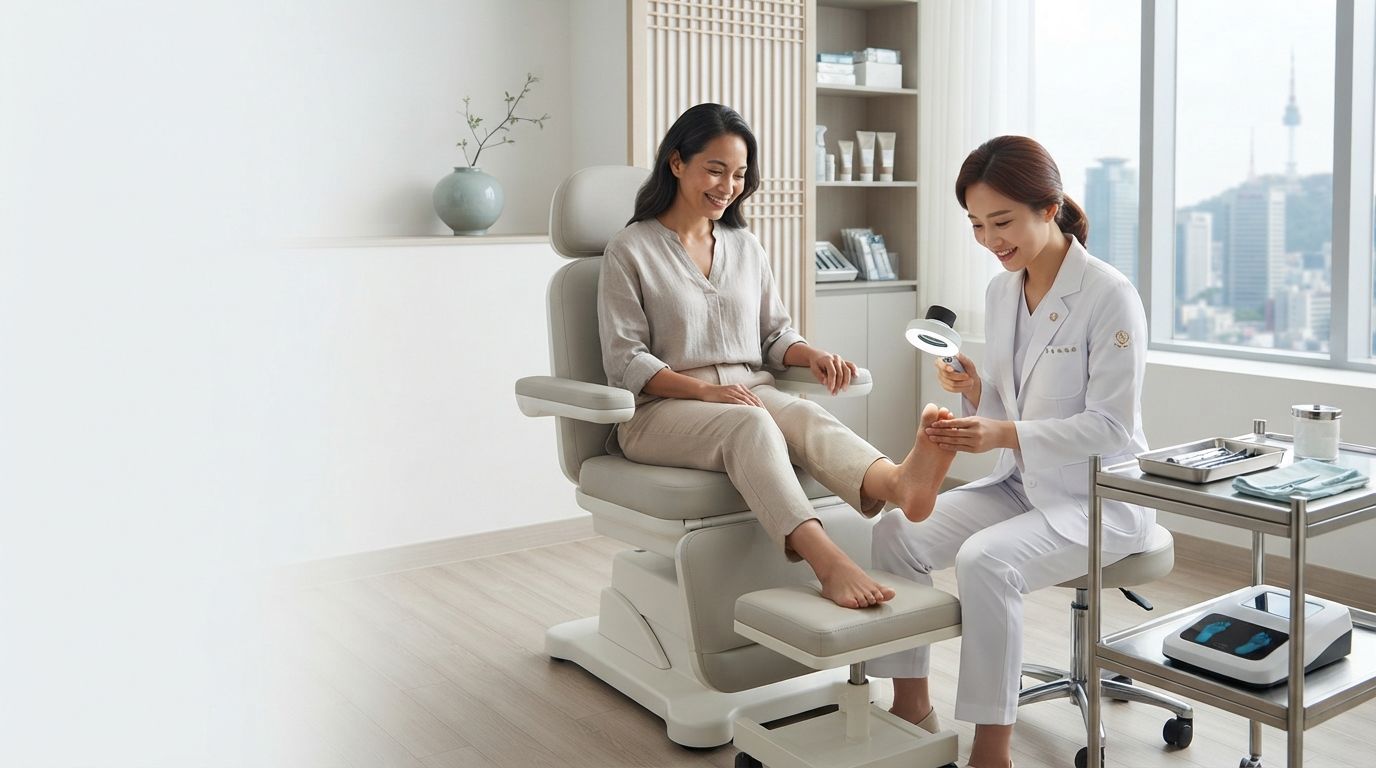
Specialized foot-care services may include professional nail trimming, reduction of thickened nails, cleaning of debris, and management of associated skin problems. Some Seoul providers specifically advertise thick toenail and fungal-nail care for international patients.
Patients should verify whether the service is provided as medical treatment or cosmetic nail care, particularly when infection or another medical condition is suspected.
Can a Thick Toenail Be Treated in One Visit?
The answer depends on the cause.
A professional can sometimes reduce a thick nail or provide initial treatment during one visit. However, the underlying nail abnormality usually does not disappear immediately.
Toenails grow slowly, so even after successful treatment of a fungal infection, the damaged portion of the nail may need to grow out gradually.
This means that visible improvement can take months rather than days.
What If Only One Toenail Is Thick?
One thick toenail does not automatically mean you have fungus.
Repeated trauma is a common alternative explanation. For example, a toenail can become thick or distorted after repeated impact from running, hiking, sports, or shoes that press against the toes.
If only one nail is affected and there is a history of injury or repeated pressure, tell the clinician. This information can help with the diagnostic process.
Thick Toenails and Athlete's Foot
Thick fungal toenails can occur alongside athlete's foot (tinea pedis).
Look for symptoms such as:
- Itching between the toes
- Peeling skin
- Scaling
- Burning
- Cracking
- Recurrent foot irritation
When fungal infection affects both the skin and nails, both areas may need to be addressed. Treating only the visible nail problem may not adequately address an ongoing fungal infection of the surrounding skin.
Thick Toenail Treatment for Travelers in Myeongdong
Myeongdong is a convenient area for international visitors staying in central Seoul, but treatment planning should account for the rest of your itinerary.
If you are visiting Seoul for several days:
Schedule an Assessment Early
If the nail is painful or significantly thickened, consider arranging an assessment earlier in your trip rather than waiting until your departure.
Bring Previous Treatment Information
If you have already used antifungal creams, nail solutions, or other treatments, bring the packaging or photographs of the products.
Tell the Clinician About Your Travel Plans
If you expect to walk extensively, hike, attend an event, or wear formal shoes, mention this when discussing treatment and aftercare.
Do Not Share Nail Tools
Avoid sharing nail clippers, files, or other personal foot-care tools. Keep feet clean and dry and use breathable footwear when possible.
What Should You Avoid Doing at Home?
A severely thick toenail can be difficult to trim safely.
Avoid:
- Digging underneath the nail with sharp objects
- Cutting deeply into the nail
- Aggressively drilling or filing the nail
- Pulling off a partially detached nail
- Applying strong chemical treatments without understanding the diagnosis
If the nail is painful, bleeding, inflamed, or significantly distorted, professional assessment is safer than aggressive home treatment.
When Should You See a Doctor?
Consider professional evaluation if:
- The toenail is becoming progressively thicker
- The nail changes color
- Several nails become affected
- The nail begins separating from the nail bed
- There is persistent pain
- The surrounding skin becomes red or swollen
- Previous antifungal treatment has failed
- The condition repeatedly returns
People with diabetes, poor circulation, or reduced sensation in the feet should be particularly cautious and should seek professional guidance rather than attempting aggressive nail treatment themselves.
How Much Does Thick Toenail Treatment in Myeongdong Cost?
Treatment costs vary depending on the diagnosis and treatment plan.
Factors can include:
- Consultation and examination
- Fungal testing
- Number of affected nails
- Nail thickness and severity
- Professional nail reduction
- Topical or oral medication
- Laser-based treatment
- Number of treatment sessions
- Follow-up care
Because clinic fees and treatment packages can change, international patients should confirm the current price directly with the clinic before treatment.
Final Takeaway
Thick toenail treatment in Myeongdong should begin with identifying the cause of the nail thickening. Fungal infection is common, but trauma, pressure, psoriasis, and other nail conditions can produce similar changes.
Depending on the diagnosis, treatment may involve professional nail reduction, topical or oral antifungal medication, specialized foot care, or selected laser-based treatments.
For international visitors, the most useful approach is to seek an appropriate assessment rather than choosing a treatment solely because the nail looks thick or discolored. Once the cause is identified, the treatment plan can be tailored to the nail condition, travel schedule, and expected follow-up.