Medical Grade Facial Treatments in Myeongdong Korea
Medical Grade Facial Treatments in Myeongdong Korea
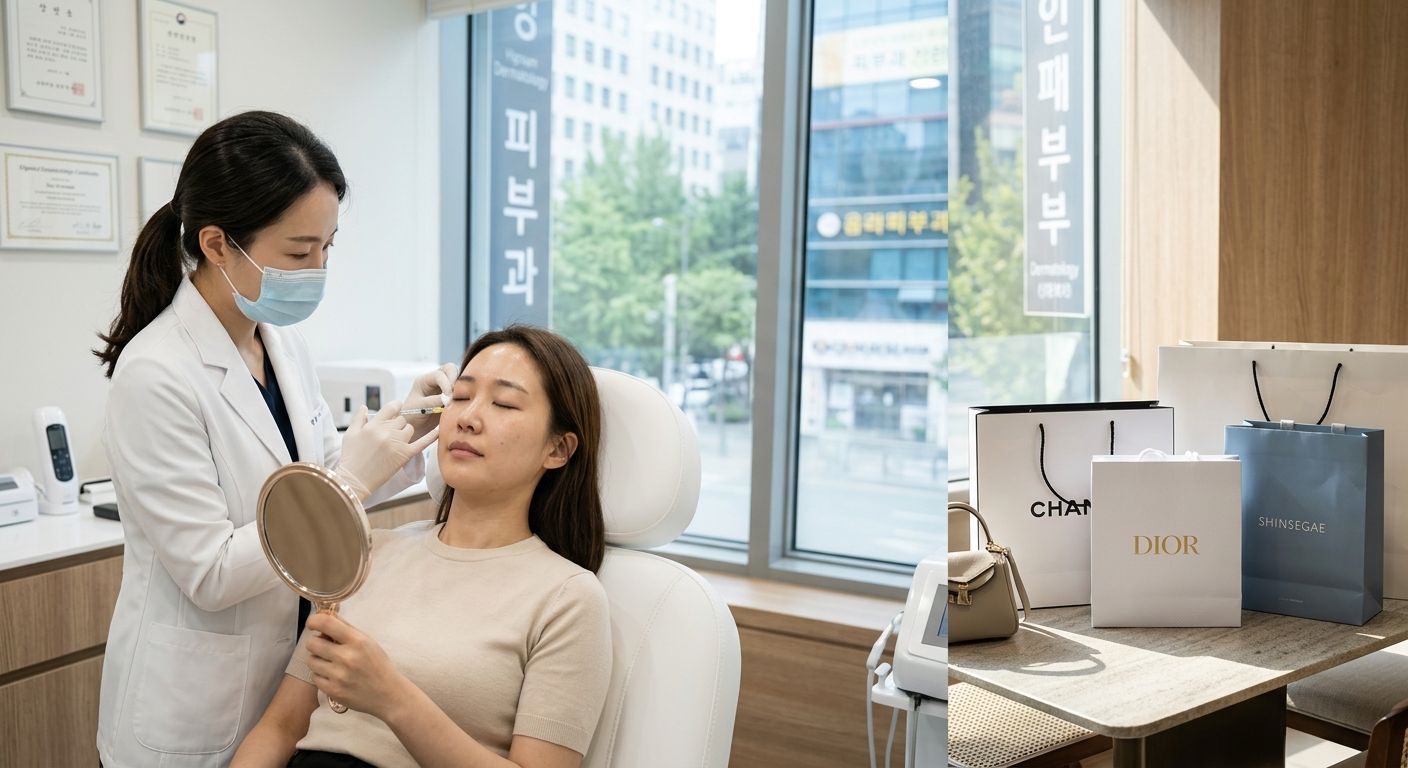
Medical grade facial treatments in Myeongdong, Korea can be an option for travelers who want professional skin care rather than a traditional spa facial. In Korean dermatology and aesthetic clinics, facial treatments may include medical-supervised cleansing, exfoliation, hydration, skin-calming procedures, and device-based treatments. Some clinics in Myeongdong also combine facial care with lasers, skin boosters, or other dermatology treatments depending on the patient's skin concerns.
The important distinction is that “medical grade facial” is not one standardized medical procedure. The treatment can vary considerably between clinics. Patients should ask exactly what products, devices, techniques, and medical supervision are included before booking.
What Is a Medical Grade Facial?
A medical grade facial is generally a professionally performed skin treatment carried out in a clinical setting rather than a conventional beauty salon or spa.
Depending on the clinic and treatment plan, it may involve:
- Deep cleansing
- Gentle exfoliation
- Hydration
- Extraction
- Skin-calming masks
- Oxygen or infusion-based treatments
- Aqua-peel or hydrodermabrasion-style procedures
- Medical-grade skincare products
- Selected device-based treatments
Some Myeongdong clinics advertise medical-grade facials alongside dermatology services such as laser treatments and skin boosters.
Medical Facial vs. Regular Spa Facial
The main difference is usually the clinical setting and level of assessment rather than the phrase “medical grade” itself.
A spa facial may primarily focus on relaxation and cosmetic skin care. A clinic-based facial may involve a skin assessment and be adapted to concerns such as dryness, congestion, sensitivity, or uneven texture.
However, not every clinic facial is automatically medically necessary or medically superior. The actual treatment protocol matters more than the label.
What Problems Can Medical Facials Address?
Medical facial treatments are commonly used for cosmetic skin concerns such as temporary dryness, dehydration, surface congestion, dull-looking skin, or rough texture.
Dehydrated or Dry-Looking Skin
Hydrating facial procedures may help temporarily improve the appearance and feel of dry or dehydrated skin.
Travelers may experience increased dryness because of changes in climate, air conditioning, long flights, or disrupted skincare routines. A gentle treatment may be considered when the skin barrier is not significantly irritated.
Congested Skin and Excess Surface Oil
Cleansing and exfoliation-based treatments may help remove surface debris and excess oil.
However, persistent acne, inflammatory lesions, or significant congestion may require a medical acne assessment rather than repeated cosmetic facials.
Dull or Uneven-Looking Skin
Some facial treatments are designed to improve the appearance of dull skin through cleansing, exfoliation, hydration, or topical products.
The effects may be temporary, and results vary depending on the individual's skin condition and the treatment performed.
Sensitive or Irritated Skin
A facial is not automatically appropriate for irritated skin. Strong exfoliation, aggressive extraction, or certain active ingredients can potentially worsen irritation.
Patients with redness, dermatitis, or unexplained skin changes should tell the provider before treatment so the appropriate approach can be considered.
Common Types of Medical Facial Treatments in Myeongdong
Different clinics use different names for their facial programs, so patients should look beyond the marketing name.
Aqua Peel and Hydrodermabrasion-Style Treatments
Aqua-peel treatments generally combine cleansing or exfoliation with fluid-based treatment and hydration. Some Myeongdong clinics advertise aqua-peel or HydraFacial-style services.
These treatments may appeal to travelers looking for a relatively gentle skin-refreshing procedure.
Deep Cleansing Facials
Deep cleansing treatments may include cleansing, exfoliation, extraction, and a mask or finishing skincare products.
The amount of extraction should be appropriate for the skin. Aggressive extraction can cause temporary redness or irritation.
Hydrating Treatments
Hydration-focused facials can include topical serums, masks, or other methods intended to improve the skin's hydrated appearance.
If the skin is compromised or highly sensitive, the provider may recommend a gentler approach instead.
Brightening Treatments
Some clinics offer facial programs aimed at improving the appearance of dull or uneven skin. These may incorporate topical ingredients, exfoliation, or other cosmetic procedures.
Patients should distinguish a general brightening facial from medical treatment for conditions such as melasma or significant pigmentation, which may require dermatological assessment.
Can You Get a Medical Facial as a Tourist?
Yes, medical facial treatments can fit into a Seoul itinerary, but international visitors should still provide relevant medical and treatment information.
Myeongdong has numerous dermatology and aesthetic clinics serving international visitors, including clinics that advertise English-friendly consultations and treatment services.
What to Tell the Clinic
Before treatment, mention:
- Recent laser treatments
- Botox or filler
- Chemical peels
- Skin allergies or sensitivities
- Current medications
- Recent sun exposure
- Active skin irritation
- Previous reactions to cosmetic treatments
This information can help the provider determine whether a particular facial is appropriate.
How Long Does a Medical Facial Take?
Treatment duration depends on the procedure and clinic.
A relatively simple facial may be completed during a short appointment, while treatments involving consultation, extraction, multiple steps, or additional devices may take longer.
Do not choose a treatment solely because it is advertised as quick. If you are visiting Myeongdong between sightseeing activities or before a flight, allow extra time for consultation and aftercare.
What Is the Downtime?
Many superficial facial treatments have limited downtime, but there is no universal recovery period.
Possible temporary effects can include:
- Mild redness
- Skin sensitivity
- Temporary dryness
- Minor swelling
- Irritation after exfoliation
- Redness following extraction
More intensive treatments may have greater recovery requirements.
If you have an important event, photograph session, or flight shortly after the appointment, ask the provider how your skin may look and feel afterward.
Medical Facials vs. Laser Treatments
These are not interchangeable.
A facial generally focuses on cleansing, hydration, exfoliation, or surface-level skin care. Laser treatment uses a specific device and energy to target particular skin concerns.
For example, some Myeongdong clinics offer laser toning or other laser procedures for pigmentation and skin rejuvenation alongside facial treatments.
The appropriate option depends on your concern. A patient seeking treatment for persistent pigmentation may require a dermatological assessment rather than simply choosing a facial because it is more convenient.
Are Medical Grade Facials Safe?
Most superficial facial treatments are generally well tolerated when appropriately selected and performed, but no cosmetic procedure is completely free of potential side effects.
Possible problems include irritation, redness, dryness, discomfort, or reactions to products. Extraction and exfoliation can also temporarily irritate the skin.
Risk depends on the specific procedure, products used, skin condition, and individual sensitivity.
If you have an active rash, infection, significant inflammation, or another unexplained skin problem, professional assessment may be more appropriate than immediately receiving a cosmetic facial.
How Much Do Medical Facials Cost in Myeongdong?
There is no single standard price for a medical grade facial in Myeongdong.
Cost can depend on:
- Type of facial
- Treatment steps
- Products used
- Device or technology involved
- Treatment area
- Additional procedures
- Provider or clinic
- Whether a consultation is included
Promotional prices may also differ from the final price after assessment. International patients should confirm what is included before treatment.
How to Choose a Medical Facial in Myeongdong
Rather than choosing a facial based only on its name, ask what the treatment actually involves.
Questions to Ask
Before booking, consider asking:
- What exactly is included in the facial?
- Who performs the treatment?
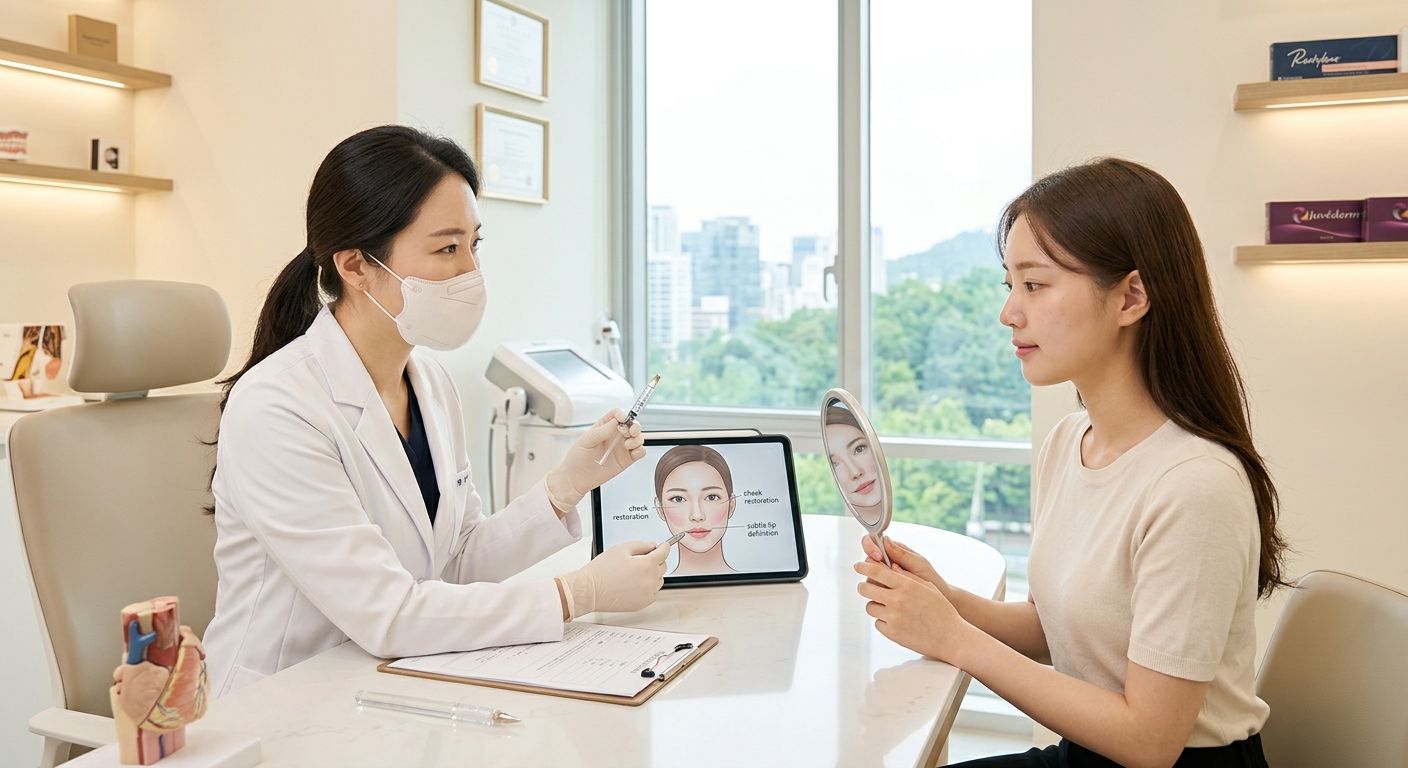
- Is a medical consultation available?
- Which products or devices are used?
- Is extraction included?
- What side effects should I expect?
- How long will redness or sensitivity last?
- Can I use my normal skincare products afterward?
- Is the treatment suitable before flying home?
- What is the total price?
These questions are especially useful when comparing several clinics in a busy area such as Myeongdong.
FAQs
What is a medical grade facial in Korea?
It generally refers to a professional facial treatment provided in a clinical or dermatology setting. The exact treatment varies and may include cleansing, exfoliation, hydration, extraction, masks, or other skin-care techniques.
Are medical facials the same as Korean spa facials?
No. A medical or clinic-based facial may involve clinical assessment and treatment protocols that differ from a traditional spa facial. However, the terminology is not standardized, so patients should check exactly what is included.
Can foreigners get medical facials in Myeongdong?
Yes. Myeongdong has clinics that advertise services for international patients, including English-friendly consultations.
How long does a medical facial take?
It varies by treatment. Simple procedures may be relatively short, while customized treatments involving consultation or multiple steps can take longer.
Can I get a medical facial before flying home?
Some superficial treatments may fit into a travel schedule, but this depends on the specific procedure and your skin's condition. Ask the provider about expected redness, sensitivity, and aftercare before scheduling treatment close to departure.
Conclusion
Medical grade facial treatments in Myeongdong Korea can provide professional, clinic-based skin care for visitors seeking cleansing, hydration, exfoliation, or skin rejuvenation. However, “medical grade” does not describe one standardized treatment, so patients should understand exactly what a clinic is offering.
For international visitors, the best approach is to discuss your skin concerns, previous treatments, travel schedule, and recovery expectations during consultation. If your concern involves persistent acne, pigmentation, significant redness, or another medical skin condition, a dermatological assessment may be more appropriate than a standard facial.