Brow Lamination vs Microblading
Quick answer
Brow lamination is a chemical setting treatment that relaxes your existing brow hairs and fixes them in a brushed-up, fuller-looking shape for about 4–8 weeks; nothing goes into the skin. Microblading is a form of tattooing that places pigment strokes in the upper skin to imitate missing hairs and fades over roughly 1–3 years. Lamination suits full but unruly brows; microblading suits real gaps. For visitors to Seoul, lamination needs no healing time, while microblading needs a week or more before swimming or flying comfortably.
Key takeaways
- Lamination changes the direction of hairs you already have; microblading adds pigment to fill gaps where hairs are missing.
- Lamination lasts weeks and has no wound to heal; microblading lasts one to three years and heals like a small tattoo.
- Sparse brows from over-plucking, ageing or hair loss need a cause check before a cosmetic fix, especially if loss is sudden.
- Both can irritate sensitive skin: patch tests for lamination solutions and careful pigment choice for microblading reduce the risk.
- Obliv is a medical skin clinic: ask us on WhatsApp what is available at the Myeongdong branch, or which specialist suits you.
Two very different treatments that look similar on social media
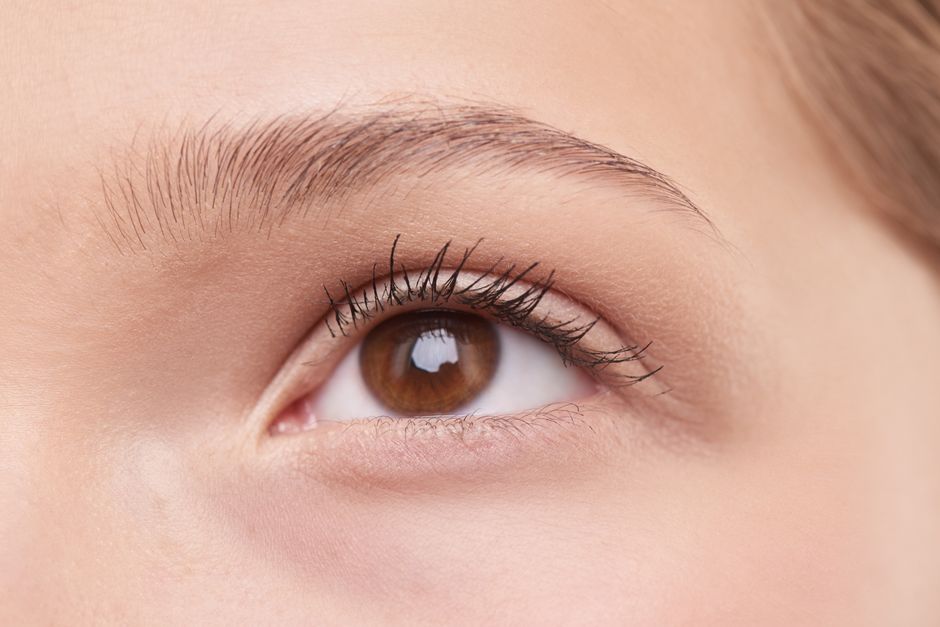
Scroll through brow photos from Seoul and it is easy to assume that lamination and microblading are two versions of the same thing. Both produce thicker-looking, tidy brows, and both are sold in the same beauty streets around Myeongdong. Underneath, though, they work in completely different ways. Brow lamination is a hair treatment: a softening lotion loosens the bonds that give each hair its shape, the hairs are brushed into the desired direction, and a second lotion sets them there. The skin itself is not broken, and nothing is left behind once the hairs grow out.
Microblading is a skin treatment. A hand tool with a row of very fine needles scratches shallow strokes into the upper skin and deposits pigment that imitates individual hairs. The US Food and Drug Administration treats microblading and other permanent makeup as tattooing, which explains most of the differences in risk, healing and commitment that follow.
Brow lamination in detail: process, results and limits
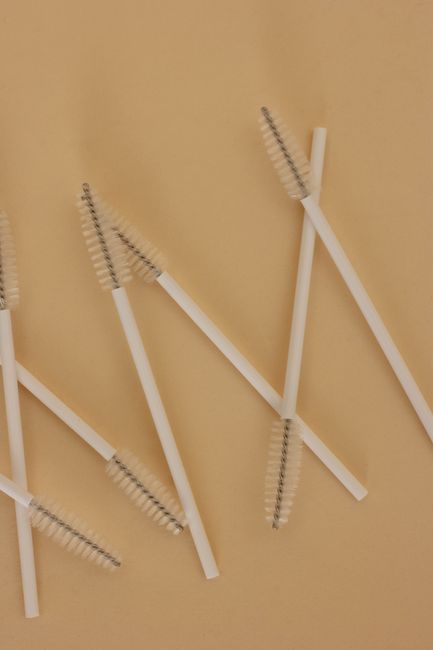
A typical lamination appointment takes about 45 to 60 minutes. The brows are cleaned, a softening solution is applied for a set time, the hairs are combed upwards and outwards, and a neutralising or setting solution follows. Many studios add a tint and a nourishing oil at the end. The result is the brushed-up, slightly feathered look that photographs well and makes the brows appear denser, because more of each hair is visible from the front.
Results usually last around four to eight weeks, gradually relaxing as hairs shed and regrow. Because the chemistry is similar to a hair perm, it can leave hairs dry or brittle if repeated too often or left on too long. Most studios recommend waiting at least six to eight weeks between sessions. People with sensitive skin, eczema around the brows, or previous reactions to hair dye or perm products should ask for a patch test, ideally a day or two before the appointment.
Lamination cannot create hair where there is none, and on very short or sparse brows it can make gaps more obvious. If a tint is added, remember the FDA notes that no colour additive is approved for permanently dyeing eyebrows or eyelashes, so keep it away from the eyes and stop if your skin stings or swells.
Microblading in detail: what you are really signing up for
Microblading starts with design. A good artist measures your face, draws a shape with a pencil and lets you approve it in the mirror before any pigment is applied. Topical numbing cream is usually used, and the stroke work takes around one to two hours, so a full appointment often lasts two to three hours. Fresh brows look darker, sharper and slightly swollen for the first days, then flake and may look patchy before the colour settles about four to six weeks later. Ask to see healed results rather than fresh photos, and read our eyebrow colour matching guide before choosing a pigment.
Because it is tattooing, the risks are those of any tattoo: infection if equipment or aftercare is not clean, allergic reactions to pigment, granulomas or raised bumps that can appear months later, scarring and the simple risk of a shape or colour you no longer like. Medical literature describes rare sarcoid-type reactions in eyebrow tattoos, and DermNet notes that reactions can appear long after the procedure. Strokes also blur over time, especially on oily skin, which is why some artists recommend powder or nano brows instead; our nano brows vs microblading guide explains those options.
Ask a doctor about brow options
Send a photo and your travel dates on WhatsApp (+82-10-3086-4084). English replies, a personal plan and a written quote before you fly.
Side-by-side: duration, healing, risk and cost of commitment
The table summarises the practical differences. The biggest one for travellers is healing. Lamination asks you to keep the brows dry and avoid steam, makeup and exfoliating products for about a day or two. Microblading asks for roughly one to two weeks of careful aftercare before the surface is healed, plus several weeks before the final colour shows, and then a touch-up.
Commitment matters as much as price. Lamination is a choice you remake every couple of months, ideal for trying a look; microblading is one you live with for years. If you are torn, start with lamination and a tint, then decide on semi-permanent work later.
| Brow lamination | Microblading | |
|---|---|---|
| What it does | Relaxes and re-sets existing hairs | Implants pigment strokes in the skin |
| Typical duration | About 4–8 weeks | About 1–3 years, fading gradually |
| Healing | None; keep dry about 24–48 hours | About 7–14 days of surface healing |
| Main risks | Irritation, dryness, brittle hairs | Infection, allergy, scarring, poor shape |
| Best for | Full but unruly or downward hairs | Gaps, thin tails, very sparse brows |
| Reversible? | Grows out on its own | Fades slowly; laser removal is possible |
Which suits your brows and your trip?
Lamination tends to suit people with plenty of hair that lies the wrong way, those who want a soft, brushed-up style for photos, and anyone with only a few days in Seoul. Microblading tends to suit people with real gaps, thin tails or very sparse brows who are ready for a longer-lasting result and can give it time to heal before flying. The checklist shows when either treatment is usually reasonable and when it is wiser to wait. If you are only in Seoul for a few days, lamination is the safer choice; see can I fly after microblading for travel timing.
Postpone both if the brow skin is irritated, sunburnt or affected by eczema or psoriasis. Postpone microblading if you are pregnant, take blood thinners or isotretinoin, or form keloid scars. If brows have thinned suddenly or in patches, see a doctor first: thyroid disease, alopecia areata and other conditions can cause eyebrow loss.
Does Obliv offer lamination or microblading?
Obliv Clinic Seoul Origin is a doctor-led medical skin clinic between Myeongdong and Jongno. Brow lamination and microblading are not part of our listed treatment menu, so we do not want to suggest otherwise. Ask us on WhatsApp whether this is available at the Myeongdong branch, or we can tell you what kind of specialist to see: a reputable brow studio for lamination, and an experienced, appropriately qualified semi-permanent makeup artist for microblading, with a dermatologist for any skin condition or unexplained hair loss.
What we can do is the medical side around your brows. A small dose of Botox placed by a doctor can lift the tail of the brow slightly and soften frown lines, which changes how brows sit without touching the hair. Fading or removing old, discoloured or misplaced brow tattoos is done with laser at our tattoo removal service, and our guide to correcting old eyebrow tattoos explains when that is the better first step.
Aftercare and maintenance for each option
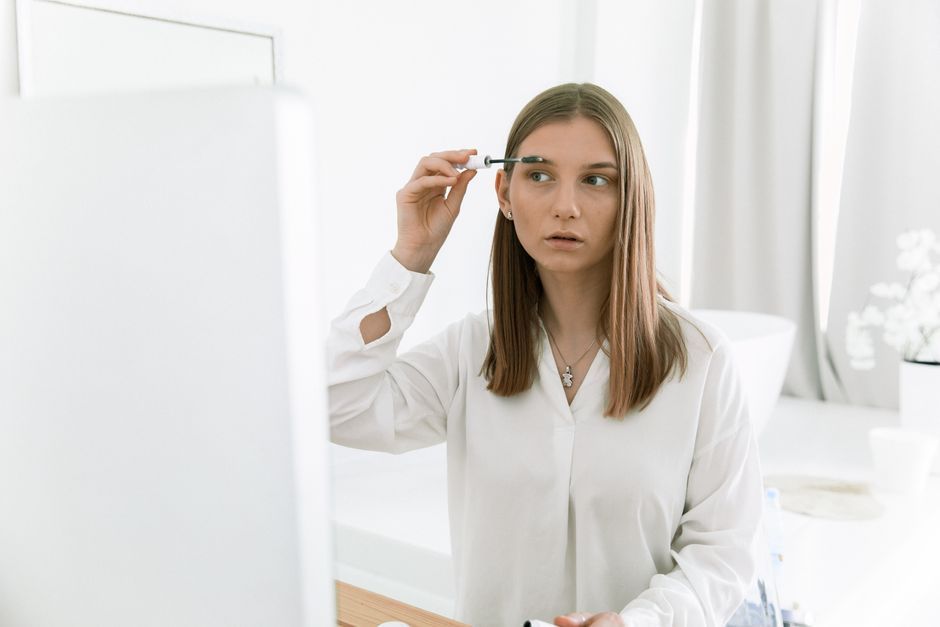
Lamination aftercare is mostly about the first day or two: keep the brows dry, avoid steam and exfoliating acids, and brush hairs into place each morning. Microblading aftercare follows the artist's written instructions and continues for one to two weeks. In both cases, tell any doctor about brow treatments before facial laser work, and mention brow tattoos before an MRI scan.
- Lamination: keep dry about 24–48 hours, then brush and condition daily.
- Microblading: clean gently, use only the recommended ointment, never pick.
- Both: avoid saunas, pools and the sea while the area is sensitive or healing.
- Both: protect from strong sun to limit fading and irritation.
- Microblading: plan a touch-up about 4–8 weeks later and keep before/after photos.
Frequently asked questions
Is brow lamination or microblading better for sparse brows?
Lamination can only restyle hairs you already have, so it suits brows that are full but unruly. Real gaps or a missing tail usually need a pigment-based option such as microblading, after any medical cause of hair loss has been ruled out.
How long does brow lamination last compared with microblading?
Lamination typically lasts about four to eight weeks before hairs relax and regrow. Microblading usually lasts about one to three years, fading gradually and needing a touch-up and occasional refreshes.
Can I do brow lamination over microbladed brows?
Many artists will laminate natural hairs over fully healed microblading, but not while the tattoo is still healing. Wait until the artist confirms the skin is healed, usually several weeks, and mention the tattoo when you book.
Does microblading hurt more than lamination?
Lamination is usually painless, though solutions can sting sensitive skin. Microblading is often described as scratchy or uncomfortable; numbing cream is commonly used and most people tolerate it well.
Can I swim after brow lamination or microblading?
After lamination, wait about 24 to 48 hours. After microblading, avoid pools, the sea, saunas and jjimjilbang until the surface has fully healed, usually one to two weeks, to reduce infection risk and pigment loss.
Does Obliv in Myeongdong offer brow lamination or microblading?
These are not on our listed treatment menu. Ask us on WhatsApp whether anything is available at the Myeongdong branch, or we can tell you what kind of specialist to see. We do offer Botox brow lifting and laser removal of old brow tattoos.
Related treatments and guides
Keep reading
- Nano Brows vs Microblading Korea
- Correcting Old Eyebrow Tattoos
- Can I Fly After Microblading?
- Eyebrow Color Matching
- Brow Studio Near Myeongdong Shopping Street
Ask a doctor about brow options
Send a photo and your travel dates on WhatsApp (+82-10-3086-4084). English replies, a personal plan and a written quote before you fly.
Sources