Beard Area Laser Treatments
Quick answer
Beard area laser treatment uses laser light absorbed by the pigment in hair follicles to reduce hair growth in chosen zones: most often the neck below the jawline, the upper cheeks, or the whole beard for men who are tired of shaving or suffer from razor bumps. Facial hair in men is strongly hormone-driven, so it usually needs about 6–10 or more sessions, 4–6 weeks apart, plus occasional top-ups. At Obliv near Myeongdong and Jongno in Seoul, a doctor checks your skin and hair type before choosing settings.
Key takeaways
- Laser hair removal reduces beard hair long term, but rarely removes every hair; expect gradual thinning and some maintenance.
- The most popular zones are the neckline, the cheek line and areas affected by razor bumps (pseudofolliculitis barbae).
- Dark hair on lighter or medium skin responds best; grey, white, red or very fair hair responds poorly.
- Plan a series of sessions roughly 4–6 weeks apart; a short trip to Seoul can start or continue a course, not finish one.
- Avoid sun tanning, plucking and waxing before treatment, and use daily sunscreen afterwards.
Why men choose beard laser
Most men who ask about beard laser are not trying to lose their beard entirely. More often they want to stop the daily battle with the neck: a rash that appears every time they shave, painful bumps below the jawline, or a neckline that grows back by lunchtime. Others want a sharper, lower-maintenance outline on the upper cheeks so a short beard looks tidy without trimming every morning.
A third group has pseudofolliculitis barbae, often called razor bumps. DermNet describes it as an inflammatory condition in which shaved, curly hairs curve back into the skin, causing red or dark bumps, itching and sometimes scarring or dark marks. It is especially common in men with tightly curled hair. Laser treatment that reduces the number and thickness of hairs is one of the most effective long-term approaches.
Laser hair removal on the beard is a medical treatment, not a beauty quick fix. It works best when someone examines your skin, hair colour and history first, and plans a course rather than a single session. If your neck is also red and reactive, our redness and sensitive skin guide explains other causes worth ruling out.
How laser hair removal works on the beard
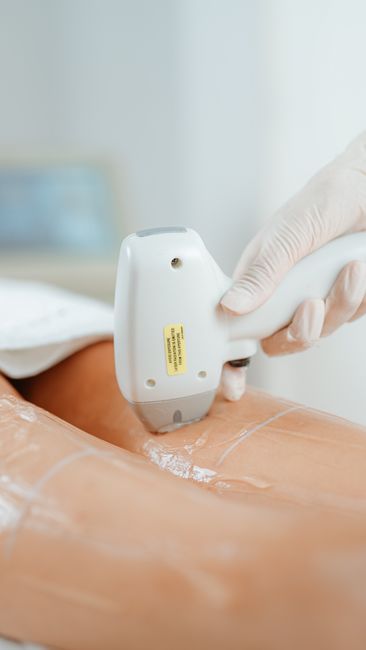
Laser hair removal relies on a simple principle: the laser light is absorbed by melanin, the pigment in dark hair, which heats and damages the follicle while sparing the surrounding skin as much as possible. Only hairs in the active growth phase respond well, which is why several sessions are needed to catch each follicle at the right moment. Mayo Clinic and Cleveland Clinic both describe laser hair removal as long-term hair reduction rather than guaranteed permanent removal.
The male beard is a special case. Its growth is driven by androgens, and follicles are dense, thick and deep. Many men see thinner, slower and patchier regrowth after the first few sessions, but a full beard area usually needs more sessions than, for example, the underarm. Some hair may return over the years, so occasional top-ups are normal.
Different wavelengths suit different skin types. Longer wavelengths such as Nd:YAG are generally considered safer for darker skin, while others work well on lighter skin with dark hair. Reviews of laser hair removal in skin of colour support careful wavelength choice and settings. Our laser hair removal page explains how the doctor chooses.
Common treatment zones
Beard laser is very flexible because you choose exactly where hair should be reduced. Many men treat only the neck below a line they choose with the doctor, leaving the jawline beard untouched. Others clean up the upper cheeks to lower and sharpen the beard line. Men with razor bumps often treat the neck and under-chin, where ingrown hairs are most frequent. If the bumps are mixed with true breakouts, the doctor may treat both; see our acne and breakouts guide.
Full-beard reduction is possible but is a big decision, because results are long-lasting. We usually suggest starting with the zones that bother you most, judging the result, and expanding later if you want. Mark the line you want in front of a mirror at consultation; it is far easier to remove more hair later than to regrow a beard line you regret losing.
- Neck and under-chin: the most common zone, especially for razor bumps.
- Upper cheek line: for a lower, cleaner beard edge.
- Between the brows and ear rims: small add-on areas some men include.
- Full beard: for men who want to stop shaving altogether.
Ask a doctor about beard laser treatment
Send a photo and your travel dates on WhatsApp (+82-10-3086-4084). English replies, a personal plan and a written quote before you fly.
Is beard laser right for you?
The best results come with dark hair on skin that is lighter than the hair. Grey, white, red or blonde hairs have little pigment, so most lasers cannot target them well. If your beard is partly grey, laser can still reduce the darker hairs, but electrolysis may be needed for the rest. Tanned skin absorbs more energy and raises the risk of burns and pigment changes, so treatment is often postponed after a beach holiday.
Tell the doctor about any medicines, especially recent isotretinoin, antibiotics that increase sun sensitivity, or a history of cold sores, which can flare after facial treatments. Rarely, laser can stimulate extra hair growth near treated areas (paradoxical hypertrichosis), which has been reported more often on the face and neck. A careful plan and test spots help reduce these risks.
Laser compared with other hair removal options
Each method has a place. Shaving is cheap and quick but is exactly what triggers razor bumps in many men. Waxing and threading pull hairs out, which can make ingrown hairs worse on a coarse beard. Electrolysis destroys follicles one by one and works on any hair colour, but it is slow for large areas. Laser covers larger zones quickly and reduces the number of hairs available to become ingrown, which is why it is often recommended for chronic razor bumps.
Some men combine methods: laser for the neck, careful trimming for the beard itself, and electrolysis for stubborn light hairs. Your doctor can suggest the most practical mix.
| Method | How long results last | Effect on razor bumps | Main drawbacks |
|---|---|---|---|
| Shaving | Hours to a day | Can trigger them | Daily effort, rash, ingrown hairs |
| Waxing / threading | 2–6 weeks | Can worsen ingrowns | Painful on the beard, irritation |
| Electrolysis | Permanent, hair by hair | Helpful | Slow and costly for large areas |
| Laser hair removal | Long-term reduction | Often improves them markedly | Several sessions; less effective on light hair |
What happens at a session
If this is your first visit, our first visit guide explains the check-in process. Shave the treatment area the day before, so the laser targets the follicle rather than hair on the surface. At the clinic, the doctor reviews your skin, marks the zones and may perform test spots. Numbing cream can be applied for comfort, especially on the upper lip and chin, which tend to be the most sensitive areas. You and the clinician wear protective eyewear throughout.
The session itself is usually short, often around 15 to 30 minutes for neck and cheek zones. Most people describe the feeling as quick snaps or warmth, with cooling between pulses. Afterwards the skin may look red and slightly swollen around each follicle, like mild goosebumps, for a few hours to a day. Treatment settings are stored in your Skin Library record so the next session, in Seoul or with a clinic at home, can build on them.
- Shave the area the day before; do not pluck or wax for at least four weeks.
- Arrive with clean skin and no aftershave or fragrance.
- Consultation, zone marking and test spots.
- Laser session with cooling, usually under 30 minutes.
- Soothing care, sunscreen and written aftercare.
Aftercare and possible side effects
For the first day or two, treat the area gently. Avoid hot showers on the face, saunas, intense exercise and alcohol-based aftershave. Use a plain moisturiser and broad-spectrum sunscreen, because treated skin is more sensitive to the sun. Shaving is usually fine after a day or two once redness settles. Over the next one to three weeks, treated hairs will shed; this can look like regrowth but is normal.
Common, temporary side effects include redness, swelling around follicles and mild itching. Less commonly there may be blistering, crusting or temporary darkening or lightening of the skin, especially in darker or tanned skin. Contact the clinic if you notice blisters, increasing pain or signs of infection.
Planning beard laser around a Seoul trip
Because beard laser is a course, a single visit to Seoul is best used to start treatment with a proper consultation, or to continue a course you began at home. If you come to Korea regularly for business, sessions every four to six weeks can line up well with repeat trips. Avoid booking a session just before a beach holiday or outdoor trekking, and protect the area with sunscreen afterwards.
The clinic is between Myeongdong and Jongno, about 6 minutes on foot from Jongno 3-ga and Euljiro 3-ga stations. You can send photos of your beard line on WhatsApp before you arrive. If you are also interested in skin quality, our men's acne guide and grooming treatments article may help. Post-inflammatory marks from old razor bumps can be addressed with pigmentation treatment once the bumps settle.
Frequently asked questions
Is beard laser hair removal permanent?
It gives long-term reduction rather than guaranteed permanent removal. Many men have far fewer, finer hairs after a course, but occasional top-ups are common because beard growth is hormone-driven.
How many sessions does the beard area need?
Usually about 6 to 10 or more, spaced about 4 to 6 weeks apart. The neck and cheeks often need fewer sessions than a full, dense beard.
Does laser help razor bumps?
Yes, it is one of the most effective long-term options for pseudofolliculitis barbae because it reduces the number and thickness of hairs that can grow back into the skin.
Does beard laser hurt?
Most men feel quick snaps or warmth. Numbing cream and cooling make it comfortable; the upper lip and chin are usually the most sensitive.
Will it work on grey hair?
Usually not well. Lasers target pigment, so grey, white, red or blonde hairs respond poorly. Electrolysis is an option for those hairs.
Can I shave between sessions?
Yes. Shaving is fine and even recommended. Avoid plucking, waxing or threading, because the laser needs the hair root to be present.
Can I have beard laser if I have dark skin?
Often yes, with suitable wavelengths such as Nd:YAG and careful settings. A test spot and doctor assessment are especially important.
Related treatments and guides
Keep reading
- Professional Grooming Treatments
- Men's Acne Solutions in Seoul
- Men's Cosmetic Dermatology in Myeongdong
- Men's Anti-Aging Programs
Ask a doctor about beard laser treatment
Send a photo and your travel dates on WhatsApp (+82-10-3086-4084). English replies, a personal plan and a written quote before you fly.
Sources