Combination RF Lifting Treatments in Seoul

Quick answer
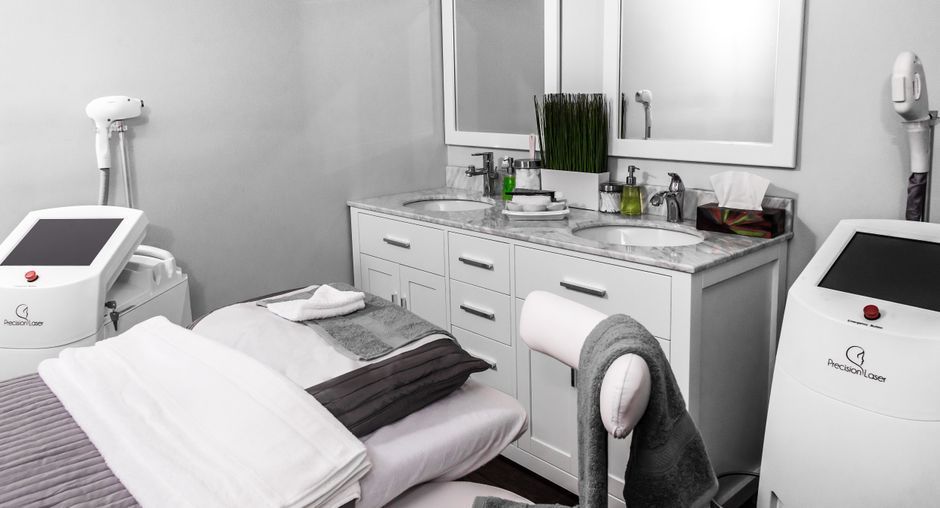
Combination RF lifting in Seoul pairs monopolar radiofrequency (such as Thermage FLX, or Korean platforms like Oligio and XERF) with other tools, most often micro-focused ultrasound (Ultherapy or HIFU), so that the dermis and the deeper SMAS are treated in one plan. RF firms crepey skin, ultrasound lifts deeper, and boosters or Botox refine the surface. Sessions take about 1–2 hours, downtime is usually minimal, and results build over 2–6 months. Near Myeongdong, Obliv's doctors plan each layer separately.
Key takeaways
- RF heats a broad volume of dermis for firmness; focused ultrasound reaches deeper SMAS points for lift.
- Combining them treats two layers in one visit, which is why the pairing is so common in Korean clinics.
- Oligio and XERF are Korean monopolar RF devices; ask whether a specific device is available before you travel.
- More devices is not always better: the plan should match your layers, skin thickness and budget.
- Expect mild redness and tenderness, then gradual tightening over two to six months.
What "combination RF lifting" means
Radiofrequency (RF) devices pass electrical energy through the skin, where tissue resistance turns it into heat. In the dermis and the fibrous septa beneath it, that heat makes collagen fibres contract and triggers new collagen production over the following months. Monopolar RF, the type used in Thermage FLX and in Korean platforms such as Oligio and XERF, heats a relatively broad and deep volume of tissue, which is why it is popular for overall firmness.
RF alone, however, does not focus on the SMAS, the deeper musculoaponeurotic layer that surgeons tighten in a facelift. That is the territory of micro-focused ultrasound, such as Ultherapy and HIFU. Combination RF lifting therefore usually means RF for the dermis plus ultrasound for the SMAS, sometimes with microwave, laser or injectable boosters for other layers.
In Korea this layered approach is so common that many clinics talk about "ulsera plus thermage" as a single treatment. At Obliv near Myeongdong and Jongno, we use the Skin Architecture method to decide whether you really need more than one device.
The devices most often combined in Seoul
The table compares the main device families. Thermage FLX, Ultherapy, HIFU and ONDA are available at Obliv; for Korean monopolar RF platforms such as Oligio and XERF, ask us on WhatsApp whether a specific device is currently offered at the Myeongdong branch. If it is not, we will explain whether an equivalent RF option suits your goals.
Brand names matter less than how the energy is used. A good plan specifies the device, the depth or tip, the number of shots or lines for each zone, and why that layer needs treating. Our Oligio guide and XERF guide look at those two devices in more detail.
| Device type | Examples | Main target | Typical feel and downtime |
|---|---|---|---|
| Monopolar RF | Thermage FLX; Oligio and XERF (Korean platforms) | Dermis and fibrous septa: firmness | Deep heat pulses; pinkness for hours |
| Micro-focused ultrasound | Ultherapy, HIFU devices | SMAS and deep dermis: lift | Prickly heat lines; tenderness for days |
| Microwave | ONDA | Fat and septa of the lower face | Warmth; mild redness 1–2 days |
| Non-ablative laser | Long-pulsed Nd:YAG laser lifting | Superficial dermis: glow, pores | Warmth; pinkness for hours |
| Injectable boosters | Rejuran, skin boosters | Skin quality and hydration | Small bumps for 1–2 days |
Why combining RF and ultrasound can work better
Most faces in their forties and fifties show laxity in more than one layer: thinner, crepey skin on the surface and a softening jawline from deeper tissue. Treating only one of these often leaves the other looking unchanged. Combining a broad dermal treatment with focused deeper points addresses both, which is why many patients describe the result as firmer and more lifted at the same time.
The evidence for each technology on its own is reasonably good for mild to moderate laxity; systematic reviews of micro-focused ultrasound and clinical studies of monopolar RF report modest, gradual improvement. Data on specific combinations are more limited, so expectations should stay realistic: a natural, refreshed improvement rather than a surgical change.
Ask a doctor about combination RF lifting
Send a photo and your travel dates on WhatsApp (+82-10-3086-4084). English replies, a personal plan and a written quote before you fly.
Who should consider a combination, and who should not
A combination makes sense when two or more layers clearly need work and you would rather do one visit than several. It is less helpful if you have very thin facial fat, where aggressive deep heating can sometimes make cheeks look slightly hollow, or if your laxity is severe enough that a surgical facelift would give a far better result.
RF is generally avoided with a pacemaker or other implanted electronic device. Recent fillers or threads in the treatment area also change the plan, so tell your doctor exactly what you have had and when.
How a combination session is planned and performed
A typical order is deeper first, then more superficial: micro-focused ultrasound is delivered to the SMAS and deep dermis, then RF treats the broader dermis, and finally any booster or laser is added. Numbing cream is applied for about 30–40 minutes beforehand. The full session usually takes one to two hours depending on the areas and shot counts.
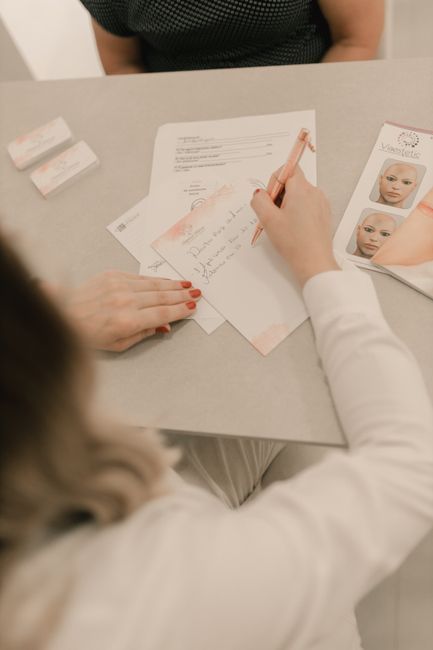
Every device setting, depth and shot count is recorded in your Skin Library , so future sessions can be adjusted rather than repeated blindly. You receive the plan and a written quote before treatment begins.
- Consultation, Mark-Vu imaging and layer-by-layer assessment.
- Written plan: devices, depths, shots per zone and quote.
- Numbing cream for about 30–40 minutes.
- Ultrasound for deeper lift, then RF for dermal firmness.
- Optional booster or laser for skin quality.
- Cooling, sunscreen and written aftercare.
Downtime, side effects and results
Most people leave with mild pinkness that fades within hours. Ultrasound can cause tenderness along the jaw for several days, and occasionally small areas of swelling, bruising or temporary numbness. RF can very rarely cause blistering or small surface burns if energy is too high, which is one reason doctor-led settings matter.
Results appear gradually. Some immediate tightening is common, but the main change comes from new collagen over two to six months, and results often last around a year or longer depending on age and lifestyle. Sun protection and stable weight help results last.
Planning combination lifting on a trip to Seoul
Because RF and ultrasound have little visible downtime, a combination session can be done almost any day of a trip, including the last few days before you fly. If you also want fillers or threads, book those first so swelling can settle and be reviewed. See our guide to tourist-friendly lifting procedures for a fuller schedule.
Obliv is between Myeongdong and Jongno, about a six-minute walk from Jongno 3-ga and Euljiro 3-ga stations. Send photos and your dates on WhatsApp and a doctor will suggest whether a combination or a single device suits you.
Cost factors for combination lifting
Combination treatments cost more than a single device because more consumable tips, shots and time are involved. The total depends on which devices are used, the number of shots or lines for each zone, whether the eyes or neck are included, and whether boosters are added. Compare quotes on the same devices and shot counts rather than package names.
Korea's cosmetic-procedure VAT refund for foreign visitors ended on 31 December 2025. Our prices and payment guide explains how written quotes work at Obliv.
Frequently asked questions
Is it safe to combine Thermage and Ultherapy on the same day?
In suitable patients, yes; it is a common combination in Korea. A doctor adjusts energy and shot counts so the total heat delivered stays within safe limits.
What is the difference between RF and HIFU?
RF heats a broader volume of dermis for firmness, while HIFU and Ultherapy focus ultrasound at specific depths, reaching the SMAS for lift. They complement each other.
Does Obliv offer Oligio or XERF?
Thermage FLX, Ultherapy, HIFU and ONDA are available. Ask us on WhatsApp whether Oligio or XERF is currently offered at the Myeongdong branch, or which equivalent suits you.
How long do combination lifting results last?
Results often last around a year or more, depending on age, skin quality and sun protection. Many people maintain with one session every 12–18 months.
Is there downtime after combination RF lifting?
Usually minimal: pinkness for a few hours and tenderness along the jaw for a few days. Most people return to normal activities the same day.
Can I fly after combination lifting?
Yes, flying the next day is generally fine after RF and ultrasound. Moisturise well on the flight and avoid saunas for a few days.
Is a combination always better than one device?
No. If only one layer is the problem, a single well-chosen device may give the same result for less cost. The plan should follow your skin, not a package.
Related treatments and guides
Keep reading
- Oligio RF Near Myeongdong
- XERF Skin Tightening in Central Seoul
- Sofwave Treatments in Myeongdong
- Thermage Before Traveling Home
- Ultherapy Around Myeongdong Seoul
Ask a doctor about combination RF lifting
Send a photo and your travel dates on WhatsApp (+82-10-3086-4084). English replies, a personal plan and a written quote before you fly.
Sources
- Cleveland Clinic – Radiofrequency (RF) skin tightening
- A systematic review of the efficacy of microfocused ultrasound for facial skin tightening (PMC)
- Efficacy and safety of monopolar radiofrequency for treatment of lower facial laxity in Asians – Dermatology and Therapy, 2022
- American Academy of Dermatology – Firm sagging skin