Medical Pedicure Near Myeongdong Hotels


Quick answer
A medical pedicure is clinical foot care done with sterilised instruments by a podiatrist, foot-care nurse or doctor, usually without a foot bath, to treat calluses, corns, thick or fungal toenails and ingrown nail edges. Near Myeongdong hotels, choose a medical setting over a nail salon if you have pain, diabetes or poor circulation. Obliv Clinic Seoul Origin is a skin clinic, so ask us on WhatsApp whether foot care is available at the Myeongdong branch, or which specialist to see.
Key takeaways
- A medical pedicure treats foot problems in a clinical setting with sterilised tools; a salon pedicure is cosmetic.
- People with diabetes, poor circulation, neuropathy or a painful, red or swollen toe should see a physician or podiatrist, not a salon.
- Avoid shaving calluses yourself, cutting nails into the corners or using foot baths on broken skin while travelling.
- Plan foot treatment early in your Seoul trip if it may leave you tender, and keep the last day for rest.
- Ask our English-speaking team on WhatsApp what is available at the Myeongdong branch, or which specialist suits your problem.
What a medical pedicure actually is
The phrase medical pedicure describes foot care carried out in a clinical setting rather than a beauty one. Instead of soaking your feet in a shared tub, a trained practitioner works on clean, dry skin with sterilised instruments: a scalpel blade to reduce hard skin, a fine rotary file to thin thickened nails, and careful nail clipping that follows the natural shape of the toe. The aim is to remove what causes pain or pressure while protecting healthy skin underneath.
In many countries this work is done by podiatrists (chiropodists) or specially trained foot-care nurses. In Korea, foot problems that involve infection, wounds or nail disease are usually managed by doctors, often dermatologists, orthopaedic or general practitioners, while some private foot-care studios offer the cosmetic side. The label on the door matters less than three questions: who is treating you, how instruments are sterilised, and whether they can recognise a problem that needs a doctor.
A salon pedicure is still a perfectly reasonable treat for healthy feet before you put on sandals. The difference is that a salon is not set up to diagnose, and soaking feet with small cracks or an ingrown nail edge can make an infection more likely, as the American Academy of Dermatology points out in its manicure and pedicure safety advice.
Why visitors near Myeongdong hotels end up needing foot care
Myeongdong is one of the most walkable shopping districts in Seoul, and most visitors cover far more ground than they do at home: the shopping streets, Namsan's slopes, palace grounds, markets and long subway transfers. Ten to twenty thousand steps a day in new trainers is a reliable recipe for blisters on the heel, hard skin on the ball of the foot and pressure on the edges of the big toenail.
Hotel air adds a second problem. Air-conditioning in summer and heating in winter dry the skin, so heels that were merely rough at home can split into painful fissures by the end of a week. Long-haul flights, with hours of sitting, mild ankle swelling and tight shoes, start the process before you even arrive. Our guide to dry hotel air skin recovery covers the face; the same moisture rules apply to your feet.
Most of these problems are minor and respond to simple care. The trick is to spot early which ones need professional attention, so a small corn does not turn into a limp halfway through your trip.
- Pack two pairs of shoes you have already worn in and alternate them daily.
- Choose cotton or moisture-wicking socks and change them if they get wet in the rain.
- Cover hot spots with a blister plaster before a blister forms, not after.
- Moisturise heels at night with a urea or glycerin foot cream and wear socks over it.

Is a medical pedicure right for you? A quick check
Use the checklist to decide where to go. If everything you notice sits in the left column, routine care, either a careful salon pedicure or a foot-care studio, is usually fine. If anything sits in the right column, see a physician or podiatrist first, because the problem may need diagnosis, medicine or a procedure that a beauty setting cannot provide.
People living with diabetes deserve special mention. Reduced sensation and slower healing mean that a small nick from a cuticle tool, a blister you cannot feel or an over-zealous callus reduction can become a serious wound. Mayo Clinic advises people with diabetes to check their feet daily and to have corns, calluses and nails managed by a health professional. If that is you, please see a doctor or podiatrist and read our note on diabetic foot care consultations in Seoul.
Ask a doctor about foot and skin care while travelling
Send a photo and your travel dates on WhatsApp (+82-10-3086-4084). English replies, a personal plan and a written quote before you fly.
Medical pedicure vs salon pedicure vs doctor visit
The three options overlap but are built for different jobs. The table summarises what each is designed to do and where its limits are, so you can match your problem to the right setting in central Seoul.
For a deeper look at the differences, including what to ask a nail salon about hygiene, read medical pedicure vs nail salon in Korea. If your main issue is a nail growing into the skin, our separate article on ingrown toenail treatment while travelling explains which steps are safe to take yourself.
| Nail salon pedicure | Medical pedicure (podiatry) | Doctor / dermatology visit | |
|---|---|---|---|
| Main purpose | Appearance, relaxation, polish | Calluses, corns, thick or ingrown nails | Diagnosis of infections, skin disease, wounds |
| Typical tools | Foot bath, files, cuticle tools | Sterilised scalpels, nail drills, no soaking | Examination, tests, prescriptions |
| Good for | Healthy feet before sandals | Pain or hard skin that limits walking | Fungal nails, infection, diabetes concerns |
| Not suitable for | Diabetes, broken skin, infection | Spreading infection or serious wounds | Purely cosmetic polish |
| Questions to ask | How are tools and tubs cleaned? | Who performs it and what training? | Do I need tests or medicine? |
What happens during a typical medical pedicure
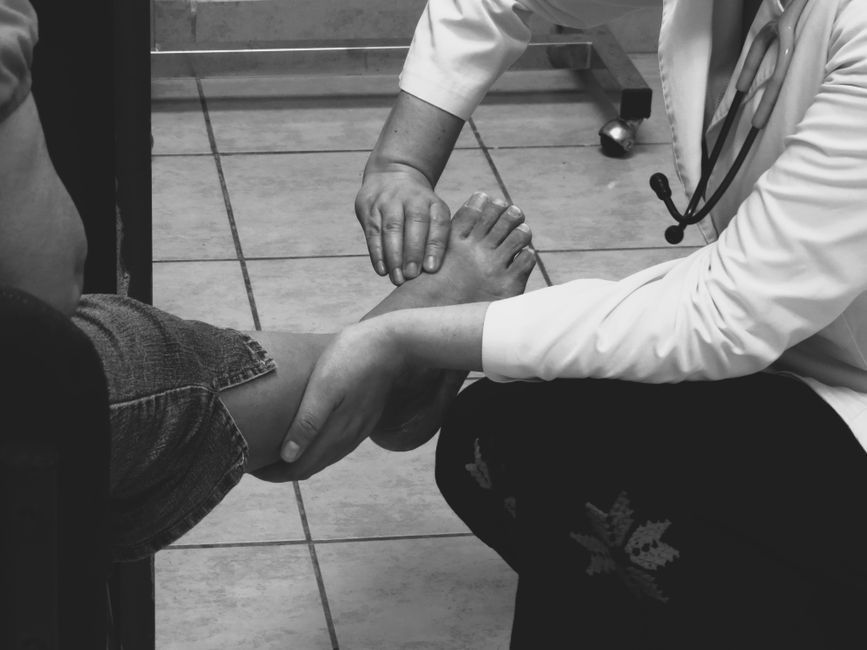
A good appointment starts with questions, not tools. Expect to be asked about diabetes, circulation, blood thinners, allergies and any pain while walking. The practitioner then looks at the skin between the toes for athlete's foot, checks the colour and thickness of each nail, and may assess pulses and sensation if there is any concern about circulation or nerves.
Treatment itself is usually painless. Hard skin is pared down in thin layers with a sterile blade until the pressure point is relieved; corns may have their central core removed; thickened nails are filed down so that shoes no longer press on them; and nail edges that curve into the skin are trimmed back carefully. Most sessions take about 30 to 60 minutes and you walk out in your own shoes.
Some things fall outside a pedicure. Fungal nail infection needs a proper diagnosis, often with a nail sample, before antifungal medicine is chosen, and the NHS notes that treatment can take many months. A deeply ingrown nail with infection may need a minor procedure under local anaesthetic. A trustworthy practitioner tells you when you have reached that point.
- Medical history and examination of both feet.
- Dry skin and nail preparation with sterile instruments, no shared foot bath.
- Reduction of calluses and corns, nail thinning and trimming.
- Advice on footwear, padding and moisturising, plus referral if needed.
Safety, hygiene and cost questions to ask in Seoul
Wherever you book near Myeongdong, it is reasonable to ask a few direct questions. Are metal instruments sterilised in an autoclave or opened from sealed single-use packs? Are files and buffers used once and thrown away? Who will treat you, and what training do they have? Clear, confident answers are a good sign; vague ones are a reason to walk away. The AAD also suggests skipping a pedicure if you have cuts, bites or broken skin on your legs and not shaving your legs beforehand.
Costs vary widely between a beauty studio, a podiatry-style foot clinic and a doctor's consultation with tests or prescriptions. Ask for the full price, including any medicine or follow-up, before treatment starts. If you hold travel insurance, check whether a doctor's visit for an infected toe or foot injury is covered; cosmetic foot care usually is not.
Finally, think about language. A misunderstanding about how short to cut a nail or whether you have diabetes can matter more than in a facial. Write down your conditions and medicines in English, and use a translation app or a clinic with English support for anything medical.
Getting around from Myeongdong hotels
Many hotels sit in and around Myeongdong, Euljiro and Namdaemun-ro, all within a short subway ride or taxi of the medical and skin clinics in central Seoul. Our clinic sits between Myeongdong and Jongno, about a six-minute walk from Jongno 3-ga and Euljiro 3-ga stations; from most Myeongdong hotels that is roughly a 12 to 15 minute walk north through the shopping streets, one or two subway stops, or a short taxi ride outside rush hour.
If walking is painful, take the taxi. It is usually inexpensive for such short distances and saves your feet for the rest of your trip. Our Myeongdong skin clinic guide and Euljiro guide have more detailed directions.
How Obliv can help: what we offer and what we do not
Obliv Clinic Seoul Origin – Myeongdong Premium Branch is a doctor-led skin and aesthetic clinic. Our listed treatments focus on the face and body skin: lifting, lasers, skin boosters, injectables and recovery therapies. We do not want to promise foot care that may not be on the menu on the day you visit, so ask us on WhatsApp whether this is available at the Myeongdong branch , or we can tell you what kind of specialist, such as a dermatologist for nail infections or an orthopaedic or podiatry clinic for structural foot pain, suits your problem.
What we can help with is the rest of your travel recovery. Long flights and walking-heavy itineraries often leave visitors dehydrated and tired; an IV drip assessed by a doctor can be part of a recovery day. Dry, tight skin from hotel air responds to hydrating skin boosters, and our dull and dehydrated skin guide explains the options. Many visitors combine an aesthetic appointment with a rest afternoon rather than squeezing it between shopping trips.
The timeline below shows a sensible way to fit foot care into a short trip: deal with problems early, avoid anything new on your last day, and arrange follow-up at home for anything that needs ongoing treatment.
Frequently asked questions
What is the difference between a medical pedicure and a normal pedicure?
A medical pedicure treats foot problems such as calluses, corns and thick or ingrown nails with sterilised tools in a clinical setting, usually without a foot bath. A normal pedicure is cosmetic care for healthy feet.
Does Obliv Myeongdong offer medical pedicures?
Obliv is a skin and aesthetic clinic, and foot care is not one of our listed treatments. Ask us on WhatsApp whether it is available at the Myeongdong branch, or we can suggest the right kind of specialist.
Is a salon pedicure safe if I have diabetes?
It is generally safer to have nails, corns and calluses managed by a doctor or podiatrist if you have diabetes, neuropathy or poor circulation, because small injuries can heal slowly and become infected.
Can I walk normally after a medical pedicure?
Usually yes. Callus reduction and nail care rarely cause downtime. A minor nail procedure under local anaesthetic may need a day or two of lighter walking and wound care.
Can a pedicure fix toenail fungus?
No. Filing can make thick nails more comfortable, but fungal nail infection needs a medical diagnosis and antifungal treatment that often takes many months. Start it with a doctor and continue at home.
When should I see a doctor instead of booking a pedicure?
See a doctor if a toe is red, hot, swollen or leaking pus, if pain is spreading, if you have a fever, or if you have diabetes and notice any wound or colour change on your foot.
How far is Obliv from Myeongdong hotels?
The clinic is between Myeongdong and Jongno, about a six-minute walk from Jongno 3-ga and Euljiro 3-ga stations. From most Myeongdong hotels it is a short subway ride, a short taxi trip or roughly a 12 to 15 minute walk.
Related treatments and guides
Keep reading
- Medical Pedicure vs Nail Salon in Korea
- Ingrown Toenail Treatment While Traveling
- Diabetic Foot Care Consultation in Seoul
- Cracked Heel Treatment in Seoul Korea
- Professional Callus Removal Near Myeongdong Station
Ask a doctor about foot and skin care while travelling
Send a photo and your travel dates on WhatsApp (+82-10-3086-4084). English replies, a personal plan and a written quote before you fly.
Sources