Face and Foot Care Package for Travelers


Quick answer
A face and foot care package for travelers combines skin treatment for a tired, dehydrated face with care for feet that have walked many kilometres. In Seoul these are usually two different providers: a doctor-led skin clinic near Myeongdong for boosters, gentle lasers or LDM, and a podiatrist, dermatologist or reputable foot-care salon for calluses, cracked heels or nails. Plan the face early in your trip, keep foot care gentle, and see a doctor for pain, infection or diabetes-related foot problems.
Key takeaways
- Face and foot care are usually separate specialties, so check who actually performs each part of any package.
- The face side suits low-downtime options: hydrating skin boosters, LDM ultrasound or a gentle toning laser.
- Most travel foot problems, such as dry heels, blisters and mild calluses, improve with simple daily care.
- Painful corns, ingrown nails, fungal infection and any foot problem with diabetes need a doctor or podiatrist.
- Avoid aggressive shaving of calluses or acid foot peels right before days of sightseeing on foot.
Why travellers think about face and feet together
A typical Seoul itinerary means long flights, dry hotel air and up to tens of thousands of steps a day through palaces, markets and shopping streets. By the middle of the trip, many visitors notice two things at once: their face looks flat and dehydrated, and their heels are rough, blistered or sore. It is natural to want one neat "package" that fixes both before the holiday photos.
The honest answer is that face and feet are usually cared for by different people. Facial treatments such as skin boosters, lasers and injectables belong in a medical skin clinic. Foot problems such as corns, calluses, ingrown nails and fungal infection are treated by podiatrists or dermatologists, while polish and cosmetic pedicures happen in nail salons. Some places combine services under one roof; many packages advertised online simply bundle two businesses.
This guide explains what each half involves, how to time them in a short trip, and when foot symptoms need a doctor rather than a salon. If you are mainly interested in feet, read our guides to medical pedicure versus nail salons in Korea and cracked heel treatment in Seoul.
The face half: what a skin clinic can do
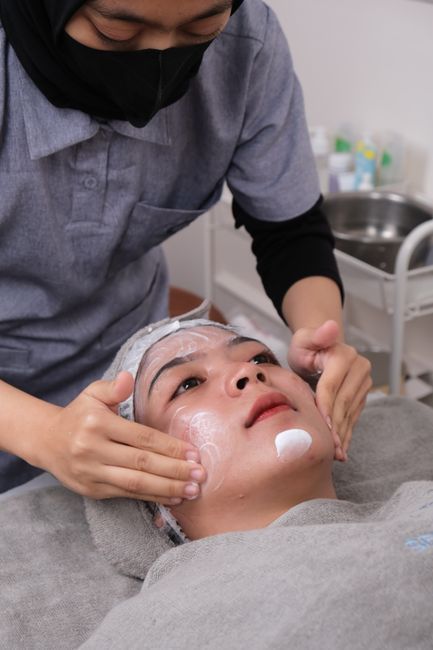
Travel-tired skin is usually a hydration and barrier problem rather than a new disease. Cabin humidity is low, sleep is broken, sunscreen gets forgotten on day trips, and salty food adds puffiness. At Obliv Clinic Seoul Origin we start with Mark-Vu imaging and a doctor consultation, then use our Skin Architecture method to decide whether the surface, the dermis or both need help.
Common choices for visitors are hydrating skin boosters, which deliver hyaluronic acid or polynucleotides into the dermis; LDM skin regeneration, a needle-free ultrasound treatment that calms and hydrates; and for very fatigued travellers, an IV drip chosen by a doctor after checking your health. Each has a short downtime that suits a holiday.
Bring a list of medicines and tell us about pregnancy, cold sores, recent sunburn and flight dates. Our dull and dehydrated skin guide covers the options in more depth.
The foot half: who does what
Feet carry the whole trip, so it pays to match the problem with the right professional. Dry heels and mild hard skin are cosmetic and respond to daily care. Corns, which are small, painful cones of thickened skin over pressure points, and stubborn calluses are best reduced by a podiatrist with sterile instruments. Thick or discoloured nails need a diagnosis before treatment, because fungal infection, psoriasis and repeated trauma can look similar.
Obliv Clinic Seoul Origin is a skin clinic focused on the face and body skin treatments listed on our treatments page. If you are not sure whether a specific foot service is available at the Myeongdong branch, ask us on WhatsApp, or we can tell you what kind of specialist to see. We would rather point you to the right person than offer something outside our expertise.
Wherever you go, look for single-use or properly sterilised tools, a clean environment, and staff who ask about diabetes, circulation and medicines before touching your feet. Do not accept a callus treatment on broken, infected or bleeding skin.
| Need | Who usually provides it | Typical time | Travel tip |
|---|---|---|---|
| Dehydrated, dull face | Doctor-led skin clinic | About 1–2 hours | Book early in the trip |
| Dry, cracked heels | Self-care; dermatologist if severe | Minutes daily | Urea cream and socks overnight |
| Calluses and corns | Podiatrist or foot doctor | About 30–60 min | Avoid blades and acid pads yourself |
| Nail fungus or thick nails | Dermatologist or podiatrist | Assessment first | Treatment takes months |
| Pedicure and polish | Nail salon | About 1 hour | Choose sterilised tools; skip if skin is broken |
Ask a doctor about face and foot care while travelling
Send a photo and your travel dates on WhatsApp (+82-10-3086-4084). English replies, a personal plan and a written quote before you fly.
Simple foot care that works on the road
Dermatologists recommend a steady routine of soaking, gentle exfoliation and moisturising for cracked heels, rather than a single aggressive session. That suits travel well: a small tube of heel balm and a soft file take up almost no space, and results build over a week or two.
Avoid cutting hard skin with blades, using medicated corn plasters with acid on fragile skin, or doing a peeling foot mask right before a week of walking. Those approaches can leave raw, painful skin at exactly the wrong moment, and they are particularly risky if you have diabetes.
- Wash and dry feet carefully each evening, including between the toes.
- Apply a thick moisturiser to heels, ideally one containing urea or lactic acid, and wear cotton socks overnight if heels are very dry.
- Use a foot file gently on slightly damp skin a few times a week; stop before the skin feels sore.
- Cover hot spots early with blister plasters, and leave intact blisters closed.
- Rotate two pairs of broken-in walking shoes and wear moisture-wicking socks.
When feet need a doctor, not a package
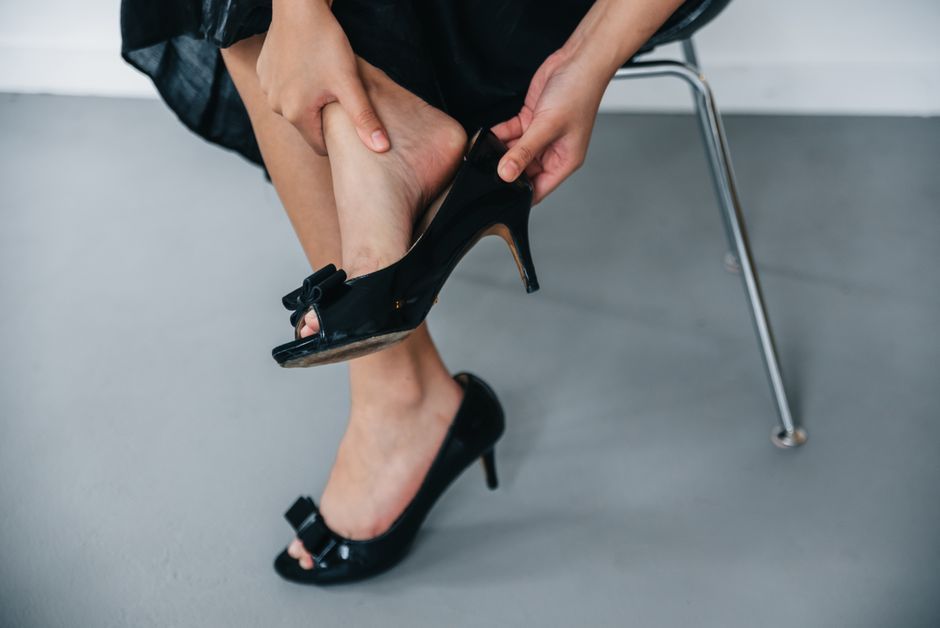
Most travel foot complaints are minor, but some deserve medical attention. Pain that stops you walking, redness spreading from a toenail, warmth and swelling, pus, or a wound that does not heal should be seen promptly. Itchy, peeling skin between the toes is often athlete's foot and responds to antifungal treatment, but recurring cases are worth confirming with a doctor.
People with diabetes, peripheral neuropathy or poor circulation should not use salons for callus or corn removal at all. A small cut can become a serious infection when sensation and blood flow are reduced. Please see a physician or podiatrist for any foot care, and check your feet daily while travelling.
How to time both halves in a short trip
Order matters. Book facial treatments on day two or three, once you have slept off the flight but with enough days left to enjoy the result and be checked if needed. Keep foot care gentle throughout the walking days, and save any podiatry procedure for a day when you can rest your feet afterwards.
If you want polish for sandal season, a simple pedicure without aggressive cuticle cutting is the safest choice before sightseeing. Avoid shaving calluses completely; a little hard skin protects pressure points on long walks. Our guide to sandal-ready feet before summer vacation has more ideas.
Costs, booking and getting to the clinic
Prices for the face half depend on the product, amount and device, so we send a written quote after seeing photos rather than publishing a one-size list. Foot care costs vary widely between salons and medical providers; ask for the price and what is included before you start. Our prices and payment guide explains how quotes and payment work for international visitors.
The clinic is between Myeongdong and Jongno, about a six-minute walk from Jongno 3-ga and Euljiro 3-ga stations. English consultations are standard, and Chinese or Japanese support can be requested when you book. If you are staying near Myeongdong, it is an easy walk or short taxi ride; see our Myeongdong skin clinic guide for directions.
Aftercare for face and feet
Good aftercare protects both halves of the investment. Hydrated facial skin tolerates sun and pollution better, and well-moisturised heels are less likely to crack under the strain of long walking days in Seoul. If anything looks infected or worsens instead of improving, see a doctor rather than waiting until you are home.
- Face: SPF 30+ every morning, plain moisturiser, no saunas or heavy drinking for 24 hours after boosters or lasers.
- Face: avoid rubbing or massaging injected areas and keep make-up light on the first evening.
- Feet: keep any filed or treated area moisturised and covered in clean socks; avoid public pools if skin is broken.
- Feet: swap to cushioned shoes for a day after podiatry treatment and watch for redness or increasing pain.
- Both: drink water, sleep properly and message us on WhatsApp with any concern after your skin treatment.
Frequently asked questions
Does Obliv offer foot treatments?
Obliv is a skin clinic focused on facial and body skin treatments. Ask us on WhatsApp whether a specific foot service is available at the Myeongdong branch, or we can suggest what kind of specialist to see.
What is the best face treatment for travel-tired skin?
Hydrating skin boosters and LDM ultrasound are popular low-downtime choices. A doctor checks your skin first and may suggest something different.
Should I get calluses removed before a walking holiday?
Keep it gentle. Removing all hard skin right before long walks can leave feet tender. Light filing and moisturising are usually better.
How can I fix cracked heels quickly while travelling?
Moisturise twice daily with a urea or lactic acid cream, wear socks overnight and file gently. Deep or bleeding cracks should be checked by a doctor.
Is a salon pedicure safe if I have diabetes?
It is safer to have foot care from a physician or podiatrist. Small cuts can lead to serious infection when sensation or circulation is reduced.
Can I combine a facial treatment and a pedicure on the same day?
Usually yes, if the pedicure is gentle and your facial treatment has low downtime. Avoid saunas and hot foot baths for a day after lasers or boosters.
What should I do if my calf hurts after the flight?
A swollen, painful calf after long-haul travel needs urgent medical assessment to rule out a blood clot. Do not massage it.
Related treatments and guides
Keep reading
- Medical Pedicure vs Nail Salon in Korea
- Cracked Heel Treatment in Seoul Korea
- Sandal-Ready Feet Before Summer Vacation
- Skin Hydration Treatments After Long Flights to Korea
- Face, Brows, and Feet Makeover in One Visit
Ask a doctor about face and foot care while travelling
Send a photo and your travel dates on WhatsApp (+82-10-3086-4084). English replies, a personal plan and a written quote before you fly.
Sources