K-Beauty Clinic Treatments Worth Flying to Seoul For
Quick answer
The K-beauty clinic treatments most worth planning a Seoul trip around are those where Korean clinics have deep, everyday experience: polynucleotide and hyaluronic skin boosters such as Rejuran, pigment and Pico Fraxel lasers, energy-based lifting with Ultherapy, Thermage or Onda, natural-dose Botox, and staged acne-scar programmes. They are worth it when a doctor plans them around your travel dates, recovery time and follow-up at home, rather than when they are chosen from a menu on price alone.
Key takeaways
- Korea's strength is volume and routine: boosters, pigment lasers and energy lifting are everyday treatments in Seoul clinics.
- The treatment is only half the value; a doctor's plan, settings record and follow-up advice are the other half.
- Choose low-downtime options for short trips and stage stronger treatments early, with time to recover before flying.
- Fillers, multi-session scar care and anything that needs a check-up deserve extra days or a plan for follow-up at home.
- Avoid booking purely on price or social media trends; check who performs the treatment and how complications are handled.
Why visitors fly to Seoul for clinic treatments
Seoul has one of the densest concentrations of dermatology and aesthetic clinics in the world, and treatments that are considered special occasions elsewhere are part of normal maintenance for many Koreans. That everyday volume shapes how clinics work: doctors see similar skin concerns many times a week, devices are used constantly, and protocols for Asian and lighter skin types have been refined over years of practice.
For international visitors, the appeal is a mix of experience, choice and convenience. You can combine treatments with a holiday, see a doctor in English, and leave with a plan you can continue at home. The risk is treating a clinic trip like a shopping list. The treatments genuinely worth flying for are the ones that suit your skin, your time in Seoul and your ability to recover safely before the flight home.
This guide picks out the categories where Korean clinics tend to excel, explains what each one does and how long it takes, and highlights when a treatment is better planned for a longer stay. For a broader introduction, our guide to Korean cosmetic dermatology for tourists is a good starting point.
Skin boosters: Korea's signature treatment
If one category defines Korean clinic culture, it is the skin booster. These are tiny, evenly spaced injections of hydrating or regenerative ingredients into the dermis. Polynucleotide boosters such as Rejuran and salmon DNA (PN/PDRN) injections aim to improve texture, resilience and fine lines; hyaluronic boosters such as Skinvive focus on smooth, dewy hydration; and collagen stimulators such as Juvelook work more gradually.
Boosters suit visitors well because downtime is usually short: small bumps or pinpoint marks for a day or two, occasionally a bruise. Results build over a few weeks and improve with a series, so many people have a first session in Seoul and continue at home or on a return trip. At Obliv we choose product, depth and dose by layer using our Skin Architecture method, rather than offering one booster for everyone.
Lasers for pigment, pores and texture
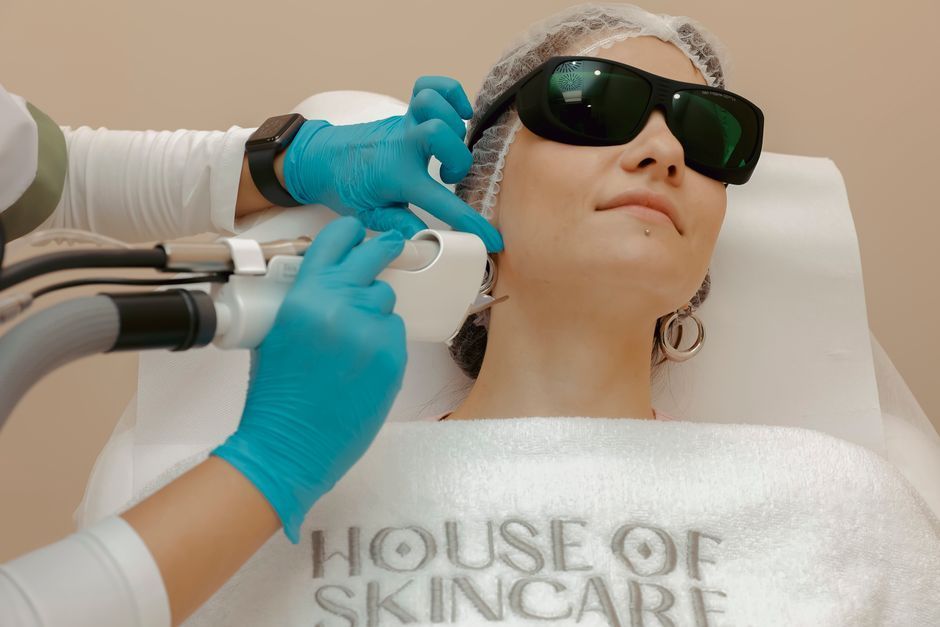
Korean clinics are known for patient, low-energy laser protocols for pigment, especially in skin that tans easily and is prone to post-inflammatory darkening. Picosecond lasers, including fractional modes such as Pico Fraxel, can treat sun spots, uneven tone, enlarged pores and shallow scars with less heat than older devices. Our hyperpigmentation treatment page explains how we match laser type to the kind of pigment.
The honest caveat is that pigment rarely disappears in one visit. Freckles and solar lentigines can improve noticeably after a single session; melasma needs a gentle series plus strict sun protection and often topical treatment, and it can worsen if pushed too hard. If you have melasma, plan expectations around improvement and maintenance, and read our melasma and dark spots guide first.
Ask a doctor about K-beauty clinic treatments in Seoul
Send a photo and your travel dates on WhatsApp (+82-10-3086-4084). English replies, a personal plan and a written quote before you fly.
Non-surgical lifting: Ultherapy, Thermage and Onda
Energy-based lifting is another reason many visitors book a Seoul clinic. Ultherapy uses micro-focused ultrasound (MFU-V) to reach deeper support layers, Thermage uses monopolar radiofrequency to tighten the dermis, and Onda uses microwave energy aimed mainly at fat and contour. A doctor may combine or alternate them depending on whether the issue is laxity, heaviness or crepey texture.
They suit travellers because visible downtime is usually small: some redness, mild swelling or tenderness for a few days. The trade-off is time to result. Collagen remodelling builds over roughly two to three months, so you will not see the full effect before you fly. Lifting devices also have limits; significant sagging may need surgery, and a good doctor will say so.
Comparing the main options
The table summarises what each category targets, typical downtime and how long results take. Treat the timings as general ranges; your own response depends on skin type, dose and the device settings chosen at consultation.
Natural-dose Botox and Xeomin are often added because they take minutes and fit almost any itinerary. Fillers and staged acne scar removal are worth doing in Seoul too, but they need more days, careful planning and sometimes a follow-up visit.
Acne scars are a good example of a concern where Seoul clinics can offer a lot, but rarely in one sitting. Rolling and boxcar scars usually respond best to a staged combination, for example subcision or fractional laser to release and resurface, followed by a polynucleotide booster to support healing. Each step needs recovery time, so visitors often start with one stage and continue at home or on a later trip. Natural-looking dermal fillers for the chin, temples or under-eye area can be done in a single visit, yet swelling and the small chance of a vascular problem mean we prefer you to stay in Seoul for several days afterwards.
| Treatment | What it targets | Typical downtime | Results build over |
|---|---|---|---|
| Rejuran / skin boosters | Texture, hydration, fine lines | Small bumps for 1–2 days | About 2–4 weeks, often a series |
| Pico Fraxel / pigment lasers | Spots, tone, pores, shallow scars | Hours to several days | Weeks; usually 3–5 sessions |
| Ultherapy / Thermage / Onda | Laxity, jawline, contour | Usually little; mild swelling | About 2–3 months |
| Botox and Xeomin | Expression lines, jaw, brows | Pinpoint marks only | About 3–14 days |
| Acne scar programme | Rolling, boxcar and atrophic scars | Several days per session | Months, staged treatments |
Is it worth it for you? A quick checklist
A treatment is worth flying for when three things line up: it addresses your main concern, it fits the days you actually have in Seoul, and you can be followed up if needed. When any of these is missing, the value drops quickly, however good the price or the reviews look.
Be wary of plans that pack many strong treatments into one visit, clinics that cannot tell you who will perform the procedure, or offers that seem to promise surgical results without surgery. The American Academy of Dermatology advises choosing a qualified physician for cosmetic procedures, and the FDA notes that dermal fillers carry real risks, including rare but serious vascular complications, that need a trained injector.
How to build a realistic trip plan
Start the conversation before you book flights. Send clear photos, your goals and your dates on WhatsApp, and we reply in English with a draft plan and a written quote. That lets you choose sensible dates rather than squeezing treatments into whatever days are left. Our first visit guide and how to plan three treatments in one trip go into more detail.
As a rule, avoid treatment on the day you land, schedule the strongest treatment early, and leave at least a couple of days before flying home after injections or lasers. Long flights add their own risks, such as dehydration and, for some people, blood clots, so move around and drink water on the way home.
What you should take home with you
Every patient at Obliv Clinic Seoul Origin has a Skin Library record with units, settings and photos. That record is what turns a one-off holiday treatment into a plan you can continue safely, whether you return to Seoul or see a dermatologist at home.
On price: quotes depend on product, amount and device, so we confirm them in writing before you arrive. Korea's cosmetic VAT refund for foreign visitors ended on 31 December 2025, as explained in our tax refund guide. The clinic is between Myeongdong and Jongno, about six minutes' walk from Jongno 3-ga and Euljiro 3-ga stations.
- A written summary of products, units or doses, device names and settings.
- Your Mark-Vu photos and before images so your home doctor can compare progress.
- Clear aftercare instructions in English and what to do if a problem appears.
- A suggested interval for repeat sessions or maintenance.
- Contact details for follow-up questions on WhatsApp.

Frequently asked questions
Which K-beauty treatment is most popular with foreign visitors?
Skin boosters such as Rejuran, pigment lasers and energy-based lifting such as Ultherapy or Thermage are among the most requested. The right choice depends on your skin and schedule.
How many days do I need in Seoul for clinic treatments?
Low-downtime treatments fit into two or three days. Allow about a week for fillers, combined treatments or anything that may need a follow-up check before you fly.
Are Korean clinic treatments safe?
Reputable doctor-led clinics follow strict standards, but every procedure has risks. Choose a clinic where a physician assesses you, performs or supervises treatment and gives written aftercare.
Will I see results before I fly home?
Botox and hydrating boosters often show within days. Lifting devices and collagen stimulators build over two to three months, so most of their effect appears at home.
Can I get a quote before I travel?
Yes. Send photos, goals and dates on WhatsApp and we reply in English with a suggested plan and written quote. Final plans are confirmed after an in-person consultation.
Is it safe to fly after treatments?
Usually yes after low-downtime treatments. We recommend leaving a day or two after injections or lasers, and longer after fillers, so any swelling or problem can be checked first.
Can I still claim a VAT refund on cosmetic treatments in Korea?
No. The cosmetic-procedure VAT refund for foreign visitors ended on 31 December 2025. See our tax refund guide for details.
Related treatments and guides
Keep reading
- Korean Cosmetic Dermatology for Tourists Visiting Seoul
- How to Plan Three Cosmetic Treatments in One Seoul Trip
- Beauty Passport: Treatments Tourists Can Finish in One Trip
- Korean Beauty Bucket List for First-Time Visitors
- K-Beauty Clinic Treatments Better Than Luxury Facials
Ask a doctor about K-beauty clinic treatments in Seoul
Send a photo and your travel dates on WhatsApp (+82-10-3086-4084). English replies, a personal plan and a written quote before you fly.
Sources