Korean Cosmetic Dermatology for Tourists Visiting Seoul
Quick answer
Korean cosmetic dermatology covers doctor-led, non-surgical treatments such as Botox, skin boosters, toning and pico lasers, and lifting devices such as HIFU. Many are quick and low in downtime, so tourists can fit them into a short stay in Seoul. The keys are choosing a clinic where a doctor examines you, planning stronger treatments early in the trip, and protecting your skin afterwards. Obliv near Myeongdong and Jongno offers English-speaking consultations and written aftercare for visitors.
Key takeaways
- Korean cosmetic dermatology is mostly non-surgical: injectables, lasers, lifting devices and skin boosters planned by a doctor.
- Choose a clinic where a licensed doctor examines you, explains risks and gives a written plan and quote.
- Book stronger treatments early in your trip and keep the last days for gentle options.
- Tell the doctor about medicines, allergies, pregnancy and recent treatments before anything is done.
- Korea's VAT refund on cosmetic procedures for foreign visitors ended on 31 December 2025.
What Korean cosmetic dermatology means
Korean cosmetic dermatology is the medical side of K-beauty. Rather than surgery, it focuses on treatments that improve skin quality, tone, texture and facial contour with little or no downtime: injectables such as Botox and fillers, skin boosters, lasers and energy-based lifting devices. In Seoul these treatments are offered by doctors in specialised clinics, and many visitors combine them with a holiday or business trip.
What sets the Korean approach apart is the habit of combining several modest treatments into one plan instead of relying on a single dramatic procedure. A doctor might pair a toning laser with a hydrating booster, or small doses of Botox with a lifting device, aiming for natural, gradual improvement. At Obliv near Myeongdong and Jongno, each plan is built by skin layer after an examination and imaging, so the combination matches your skin rather than a fixed menu.
How a visit works for tourists
For most visitors the route is simple. You message the clinic on WhatsApp with photos, your main concerns and your travel dates. On arrival you fill in a medical form, have Mark-Vu skin imaging and meet a doctor who explains what is suitable, what each option involves and what it costs. Treatment can often follow the same day, in a private room with numbing where needed, and you leave with written aftercare in English.
Allow one to two hours for a typical first visit. Our first visit guide walks through each step, and the article on consultations for foreign visitors explains what to prepare and what to ask. If English is a concern, look for a clinic that can explain risks and aftercare clearly in your language before you agree to anything.
Popular treatments with visitors
The table summarises treatments that visitors ask about most often and how each tends to fit a trip. Botox is quick, usually has no visible downtime and starts working over several days. Skin boosters deliver hydrating or regenerative ingredients into the skin and may leave small bumps for a few hours. Toning lasers and LDM are gentle options for tone and calm, comfortable skin.
For firmness, energy-based lifting such as HIFU works on deeper layers, with results building over the following weeks. Stronger options such as Pico Fraxel can help texture and acne scars but leave redness and roughness for several days, so they suit the start of a longer stay. Fillers can refine contour, but they deserve time for swelling to settle and, ideally, a review before you leave.
| Treatment | What it is for | Typical downtime | Best timing in a trip |
|---|---|---|---|
| Botox | Expression lines, jaw slimming | Usually none | Early, so it can be reviewed |
| Skin booster | Hydration, fine texture, glow | Small bumps for hours to a day | Any day except the very last |
| Toning laser / LDM | Tone, redness, calm skin | None to brief flush | Any day, even near departure |
| HIFU / RF lifting | Firmness, jawline, cheeks | Mild redness or tenderness | Early or mid-trip |
| Pico Fraxel | Texture, pores, acne scars | Redness, roughness for days | First days of a longer stay |
| Dermal filler | Volume, contour | Possible swelling or bruising | Early, with time to settle |
Ask a doctor about Korean cosmetic dermatology
Send a photo and your travel dates on WhatsApp (+82-10-3086-4084). English replies, a personal plan and a written quote before you fly.
Choosing a clinic in Seoul
Seoul has many clinics, and quality varies. The most important point is that a licensed doctor examines you, discusses risks and benefits, and decides on the plan. The American Academy of Dermatology advises choosing a physician with appropriate training for cosmetic procedures and being cautious about treatments performed without medical supervision. If you are offered injectables or lasers without seeing a doctor, choose another clinic.
Other good signs include a clear written quote before treatment, named products and devices, honest discussion of what a treatment cannot do, and a way to contact the clinic after you go home. Be wary of pressure to buy large packages on the spot or claims that sound too good to be true. Our guide to a foreigner-friendly skin clinic in Myeongdong lists practical questions to ask.
Who should be careful or wait
Most healthy adults can have some form of cosmetic skin treatment, but there are situations where it is better to wait or to choose carefully. Pregnancy and breastfeeding, active skin infections, cold sores in the area, recent sunburn, some medicines such as isotretinoin or blood thinners, and a history of keloid scarring all affect what is safe. Tell the doctor about these before anything is done, even if they seem minor.
Timing matters as much as suitability. The CDC's guidance on medical tourism reminds travellers to allow time for recovery before flying and to plan for follow-up care at home. For cosmetic dermatology this usually means keeping stronger treatments for the start of the trip and saving gentle ones for the last few days. The chart summarises common good fits and situations to think twice about.
Getting around and planning your days
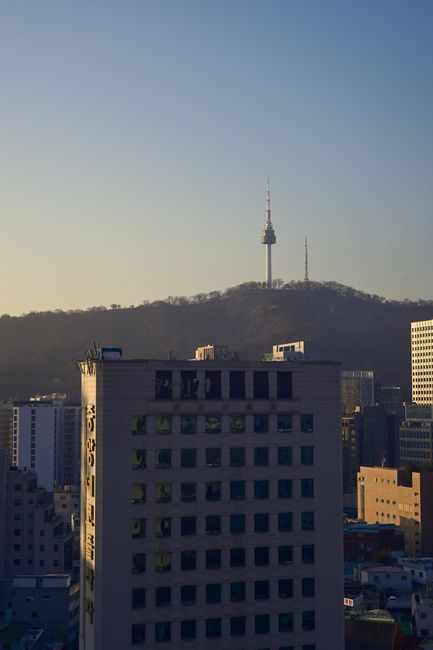
Central Seoul is compact and well served by the subway, which makes it easy to fit a clinic visit between sightseeing. Obliv sits between Myeongdong and Jongno, about six minutes on foot from Jongno 3-ga and Euljiro 3-ga stations. The Myeong-dong Tourist Information Center can help with maps, transport cards and general travel questions if you are new to the area.
A morning appointment usually leaves the afternoon free for gentle plans such as shopping, museums or a walk along Cheonggyecheon. If you are visiting for only a couple of days, our 48-hour Seoul beauty itinerary shows how to combine treatment and sightseeing without rushing either. Keep a hat, sunscreen and water with you after any laser or injectable treatment.
Downtime, aftercare and sightseeing
Most popular treatments allow you to carry on with your day, but your skin still needs care. Avoid saunas, jjimjilbang visits, hot baths, intense exercise and heavy drinking for at least the rest of the day, and longer after stronger treatments. Wear broad-spectrum sunscreen outdoors and reapply it, especially after lasers, because sun exposure raises the risk of pigmentation.
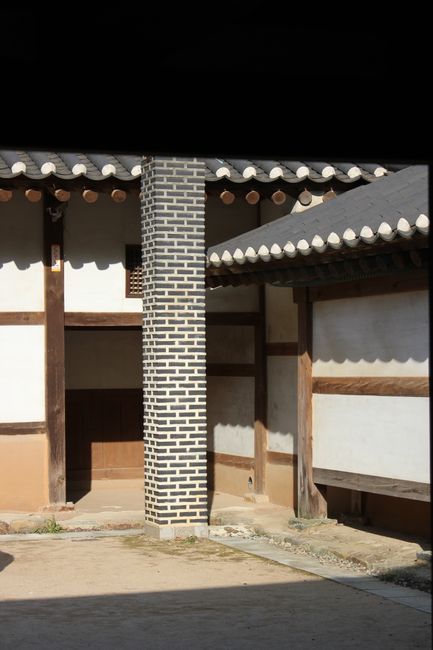
Quiet, shaded sightseeing such as palaces, hanok neighbourhoods and museums suits the days after treatment better than beaches or long hikes in strong sun. Mild redness, small bumps or a little tenderness usually settle within hours to a few days. If something feels wrong, such as increasing pain, spreading redness or changes in vision after an injectable, contact the clinic at once. For options with almost no recovery time, see treatments with almost no downtime.
Building a plan around your trip
A good plan starts before you fly. Sharing photos and dates in advance lets the doctor suggest what is realistic for the length of your stay. On a trip of five days or more, there is time for stronger treatments early on and a short review before you leave. On a shorter trip, a doctor will usually suggest low-downtime options and keep more intensive work for a future visit.
Results from many treatments build over weeks, and some work best as a series. Ask which parts of the plan can be done now, which would benefit from a repeat session on a later trip, and what you can safely continue at home. The timeline shows a typical sequence for a visitor.
Costs, quotes and the end of the VAT refund
Prices depend on the treatment, the product or device, the dose or number of shots, and how many areas are treated, so a fair figure is only possible after a consultation. Ask for a written quote before treatment and make sure it lists exactly what is included. You can choose to do all of the plan, part of it or none, and you should never feel pressured to decide on the spot.
Korea's VAT refund on cosmetic procedures for foreign visitors ended on 31 December 2025, so older blogs and forum posts that mention refunds are out of date. For how payment works at Obliv and what affects the final figure, see prices and payment.
Frequently asked questions
Is Korean cosmetic dermatology safe for tourists?
It can be, when a licensed doctor examines you, explains risks and plans treatment around your travel dates. Avoid treatments offered without a medical consultation.
What treatments are most popular with visitors to Seoul?
Botox, skin boosters, toning lasers, LDM and lifting devices such as HIFU are common because they are quick and usually have little downtime.
Do I need to speak Korean?
No. Many clinics in central Seoul, including Obliv, offer consultations and written aftercare in English. Make sure risks are explained in a language you understand.
How many days should I allow?
Low-downtime treatments fit even a short trip. For stronger lasers or fillers, plan them early in a stay of five days or more so there is time to settle and review.
Can I fly after treatment?
After most low-downtime treatments, flying the next day is usually fine. Tell the doctor your departure time so the plan and aftercare suit it.
Can I still get a VAT refund on cosmetic treatments?
No. The VAT refund on cosmetic procedures for foreign visitors ended on 31 December 2025.
What if I have a problem after returning home?
Follow your written aftercare and message the clinic with photos. For urgent symptoms, seek local medical care straight away and share your treatment details.
Related treatments and guides
Keep reading
- Cosmetic Dermatology Consultation for Foreign Visitors in Seoul
- First Cosmetic Dermatology Visit in Myeongdong Korea
- Beauty Itinerary for 48 Hours in Seoul
- Beauty Treatments That Require Almost No Downtime
- Korean Beauty Bucket List for First-Time Visitors
Ask a doctor about Korean cosmetic dermatology
Send a photo and your travel dates on WhatsApp (+82-10-3086-4084). English replies, a personal plan and a written quote before you fly.
Sources