Korean Skin Treatments for Business Travelers

Quick answer
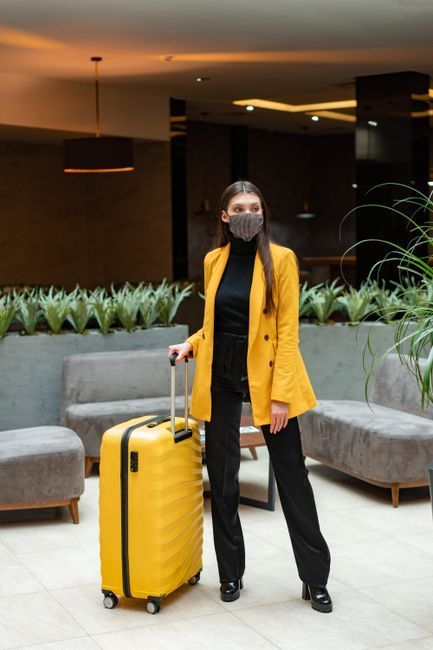
The Korean skin treatments that suit business travellers best are the low-downtime ones: LDM ultrasound and hydration care, gentle laser toning, skin boosters such as Rejuran or Skinvive, and energy-based lifting such as Ultherapy or Thermage. Choose by your schedule as well as your skin. Do anything that can leave bumps, redness or swelling early in the trip, keep no-downtime care for the last day, and tell the doctor your flight times so the plan fits around them.
Key takeaways
- Korean clinics are known for combining several gentle treatments in one visit rather than one aggressive procedure.
- Sort options by visible downtime first: none, a few hours, one to two days, or longer.
- Book injectables and lasers early in the trip; keep the last 24 hours before a flight or key meeting for no-downtime care.
- Tell the doctor your flight times; long flights, dry cabin air and window-seat sun all affect how treated skin recovers.
- Obliv is open seven days and about 6 minutes on foot from Jongno 3-ga and Euljiro 3-ga stations in central Seoul.
What makes Korean skin treatments different
Korean dermatology clinics have a reputation for doing many small things well. Instead of one strong procedure with a long recovery, a typical plan layers several gentle treatments: a device to calm and hydrate the skin, a laser to even out tone, and perhaps an injectable to improve texture from inside. Each step is modest on its own, but together they can make skin look clearer and more rested without obvious signs that anything was done.
That approach suits business travellers well. You probably do not have a week to hide in a hotel room, and you may have dinners, presentations or video calls throughout your stay. The question is not only which treatment is best for your skin, but which treatments fit the days you actually have free.
Before choosing, it helps to know what you want to change. Dull, dehydrated skin after long flights calls for a different plan from pigmentation, enlarged pores or early sagging. Our dull and dehydrated skin guide explains the most common concerns we see in visitors.
Matching treatments to your downtime
The simplest way to choose is to sort options by how they look afterwards. At one end are treatments that usually leave no visible trace. LDM skin regeneration uses ultrasound to calm and hydrate skin without needles, and it is often used before or after other treatments. Gentle laser toning can brighten dull or blotchy skin, with at most a light flush that fades within hours.
In the middle are injectable skin boosters. Rejuran, a polynucleotide treatment developed in Korea, and Skinvive, a hyaluronic acid microdroplet treatment, aim to improve hydration and texture. Small bumps or pinpoint marks are common for a day or two, and occasional bruising can last longer, so these suit the start of a stay of several days.
Energy-based lifting such as Ultherapy or Thermage usually allows you to go back to work the same day, though skin may be slightly red or tender. Stronger resurfacing, such as Pico Fraxel, gives more visible change for scars and texture but needs several days of redness and roughness, which rarely fits a short business trip.
| Treatment | What it helps | Visible downtime | Best slot on a work trip |
|---|---|---|---|
| LDM ultrasound / hydration care | Tired, dry or sensitive skin | Usually none | Any day, including the last |
| Gentle laser toning | Dullness, uneven tone, pigment | Mild flush for a few hours | An evening or any free slot |
| Skin boosters (Rejuran, Skinvive) | Hydration, texture, fine lines | Small bumps for about 1–3 days | Day 1–2 of a stay of 4+ days |
| Ultherapy / Thermage lifting | Mild sagging, firmness | Often slight redness or tenderness | Early or mid-trip |
| Pico Fraxel resurfacing | Pores, scars, texture | Redness and roughness for days | Only with a longer stay |
Who these treatments suit
Korean treatments work best for people whose skin is broadly healthy and who want gradual improvement. If you travel to Seoul several times a year, you have an advantage: treatments such as boosters, toning and lifting are usually done as a series, and regular trips make that easy to plan.
Some situations call for a gentler plan or a delay. Active rashes, infections, cold sores or a fresh sunburn usually mean postponing anything stronger than basic calming care. If you are pregnant or breastfeeding, injectables are normally deferred. And if your flight home leaves the same evening, the doctor will usually suggest something with no downtime and keep stronger options for your next visit.
Ask a doctor about Korean skin treatments
Send a photo and your travel dates on WhatsApp (+82-10-3086-4084). English replies, a personal plan and a written quote before you fly.
Scheduling around flights and meetings
Think of your trip in three parts. On the day you land, your skin often looks its worst: puffier, drier and more tired from cabin air and broken sleep. This is a good day to rest, drink water and, if you have time, book only light care. The NHS notes that jet lag symptoms such as tiredness and poor sleep usually ease over a few days, and skin tends to follow the same pattern.
The first full day or two are the best time for anything with downtime: boosters, toning, lifting or Botox. That leaves time for small bumps or redness to settle before key meetings and before your flight. Botox also takes several days to start working, so it needs to be done early if you want to see the result in Seoul.
Keep the final 24 hours for treatments that leave nothing visible. A no-needle hydration session the morning before you fly can help skin feel more comfortable on a long flight. Our guide to skin treatments before flying home covers this in more detail.
Flying after a treatment
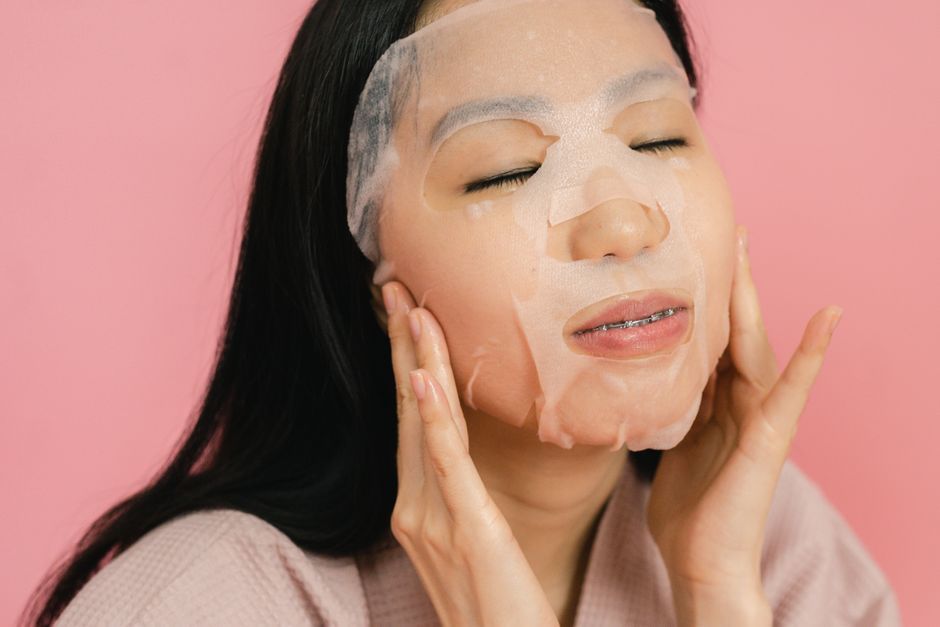
Most low-downtime Korean treatments do not stop you from flying, but the flight still matters. Cabin air is very dry, which can make freshly treated skin feel tight. Bring a plain, fragrance-free moisturiser in your hand luggage and reapply it during long flights. Avoid sheet masks with strong active ingredients straight after laser unless your doctor has approved them.
Sun exposure through the window seat is easy to forget. After laser toning or resurfacing, skin can be more sensitive to light for some time, so use a broad-spectrum sunscreen and close the window shade when the sun is strong. The AAD recommends broad-spectrum sunscreen with SPF 30 or higher for everyday protection.
Long-haul flights also bring general health considerations unrelated to skin. NHS travel guidance describes moving around the cabin, flexing your legs and staying hydrated to lower the risk of deep vein thrombosis. If you have had any procedure and also have risk factors for blood clots, mention your flight to the doctor at consultation.
How a visit works for business travellers
We try to make the visit fit around your schedule rather than the other way round. Before you leave home, send your concern, a few photos taken in daylight, your meeting days and your flight times on WhatsApp. Our English-speaking team suggests realistic options and a time slot, and the clinic is open seven days, which helps if your only free time is a weekend.
On the day, a doctor reviews your skin with Mark-Vu imaging, explains which options fit your trip and gives you a written quote before anything starts. Chinese and Japanese language support can be requested when booking. Details of every treatment, including products and settings, are saved in your Skin Library record, so your next trip can build on this one. The first visit guide explains each step.
Aftercare in a hotel room
Hotel air is often dry, and late dinners and short nights do not help recovery. A few simple habits go a long way. You leave with written aftercare in English, and you can message us on WhatsApp if anything worries you after you get back to the hotel.
If your main concern is tired skin after the journey, the jet lag face recovery programme may be a better starting point.
- Keep your routine simple: gentle cleanser, plain moisturiser and sunscreen.
- Avoid saunas, hot baths, heavy gym sessions and alcohol for about 24 hours after injectables or laser.
- Do not press, rub or massage injected areas for the first day.
- Pause strong actives such as retinoids or exfoliating acids until your doctor says it is fine.
- Run the room humidifier, or keep a glass of water by the bed, if the air feels very dry.
Choosing a clinic on a work trip
When time is short it is tempting to book the nearest clinic or the cheapest advertised offer. The CDC's guidance on medical tourism advises checking the qualifications of the people treating you, understanding exactly what will be done and planning for follow-up care when you return home. The same applies to cosmetic treatments: ask who will treat you, which product or device will be used and what to do if you have a problem after you leave Korea.
Obliv Clinic Seoul Origin – Myeongdong Premium Branch is between Myeongdong and Jongno, about 6 minutes on foot from Jongno 3-ga and Euljiro 3-ga stations, so it is convenient for many hotels and offices in central Seoul. Prices depend on your plan; see prices and payment. Note that the VAT refund for cosmetic procedures for foreign patients ended on 31 December 2025. For a shorter, meeting-focused plan, read executive skin refresh during business trips.
Frequently asked questions
Which Korean skin treatment has the least downtime?
LDM ultrasound and medical hydration care usually leave no visible signs. Gentle laser toning may cause a light flush for a few hours. Both suit tight business schedules.
Can I fly the day after a Korean skin treatment?
For most low-downtime treatments, yes. Tell the doctor your flight time, keep your skin moisturised on board and use sunscreen. Stronger lasers are better done earlier in the trip.
How many days do I need in Seoul for skin treatments?
One free hour is enough for no-downtime care. For boosters or lifting, plan at least three or four days so small bumps or redness can settle before you leave.
Are Rejuran and Skinvive good for business travellers?
They can be, if you have a few days. Both can leave small bumps or marks for a day or two, so book them at the start of a longer stay rather than before an important meeting.
Can I combine several treatments in one visit?
Often, yes. Korean clinics commonly layer gentle treatments. The doctor will check what is safe to combine and how it affects your recovery time.
Is the clinic open at weekends?
Yes, Obliv is open seven days a week. Book ahead on WhatsApp, especially if you only have one free slot during your trip.
Can my doctor at home continue the treatment?
Yes. We can provide a written summary from your Skin Library record, including products and settings, so another doctor can follow on safely.
Related treatments and guides
Keep reading
- Executive Skin Refresh During Business Trips
- Business Traveler Beauty Packages in Seoul
- Skin Treatments Before Flying Home
- Jet Lag Face Recovery Program
- Beauty Treatments That Require Almost No Downtime
Ask a doctor about Korean skin treatments
Send a photo and your travel dates on WhatsApp (+82-10-3086-4084). English replies, a personal plan and a written quote before you fly.
Sources