Winter Skin Rescue in Myeongdong

Quick answer
Winter skin rescue means repairing the dry, tight, flaky and easily irritated skin that Seoul's cold, windy, low-humidity winter and heated rooms cause. The fastest relief usually comes from barrier-first home care plus a calming in-clinic treatment such as LDM ultrasound, followed by a hydrating skin booster (hyaluronic acid, Skinvive or polynucleotide) once skin has settled. Near Myeongdong, Obliv's doctors check first for eczema, rosacea or allergy, which need medical treatment rather than more products.
Key takeaways
- Cold outdoor air, wind and dry indoor heating strip water from the skin; most winter 'rescue' is about restoring the barrier.
- Calm first, then hydrate: soothing care for stinging skin, then boosters for deeper dehydration.
- Itchy, cracked or weeping patches may be eczema and need medical treatment, not just richer creams.
- Avoid strong exfoliants, new retinoids and hot showers while skin is irritated.
- Simple habits such as lukewarm water, moisturiser on damp skin and a humidifier make clinic results last.
Why Seoul winters are hard on skin
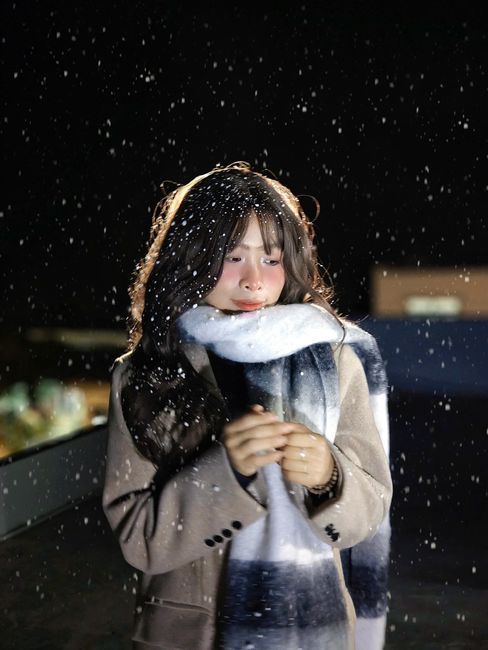
Winter in Seoul is cold and dry, with freezing temperatures common from December to February and biting winds on clear days. Cold air holds little moisture, so humidity outdoors is low, and inside, heating systems dry the air even further. Skin loses water to the air faster than it can replace it, and the outer layer becomes rough, flaky and more permeable to irritants.
Visitors often feel this within a day or two of arriving: tightness after washing, makeup that cracks around the nose, lips that split, and cheeks that sting when moving from icy streets into warm shops. A long flight beforehand, with very dry cabin air, adds to the problem. Many people respond by applying more products, scrubbing off flakes or trying new serums bought in Myeongdong, which can make irritation worse.
This guide explains how to rescue winter skin step by step, when a clinic treatment helps, and when the problem needs a medical diagnosis. Our dull and dehydrated skin guide covers the underlying science in more depth.
Dry, dehydrated or something else?
Dry skin (xerosis) means the skin lacks oil and its barrier is weakened; it feels rough and may flake. Dehydrated skin lacks water and can happen in any skin type, including oily skin; it looks dull and shows fine lines. In winter most people have a bit of both, and both respond to the same barrier-first approach.
Some winter skin problems are medical. Eczema (atopic dermatitis) often flares in winter with itchy, red, cracked patches. Rosacea can worsen with cold wind and sudden heat. A rash that appears after a new product may be contact dermatitis. These conditions need diagnosis and sometimes prescription treatment, and aggressive cosmetic procedures can make them worse.
Step one: calm and repair the barrier
When winter skin is stinging and flaky, the first goal is to calm it. Dermatologists recommend short, lukewarm showers, gentle fragrance-free cleansers, and applying a moisturiser within a few minutes of washing while skin is still damp. Ointments and creams are usually more effective in winter than light lotions, and ingredients such as ceramides, glycerin and petrolatum help seal in water.
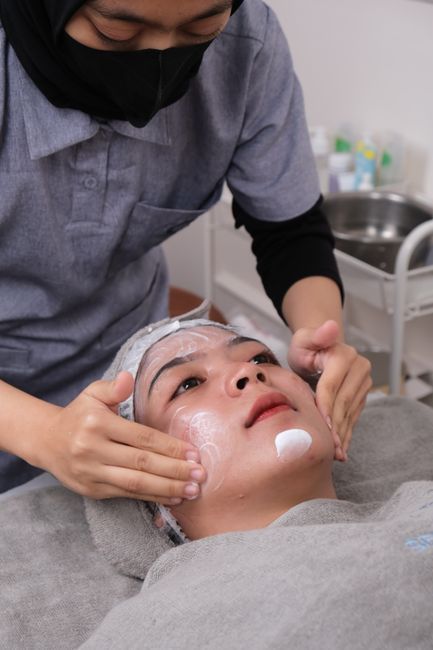
In clinic, a soothing non-invasive treatment such as LDM skin regeneration, which uses high-frequency ultrasound, can help calm reactive skin with no downtime. It is a sensible first step for visitors whose skin has reacted to the flight, the weather or new products, and it can be done on the same day as a consultation.
During this phase we avoid peels, strong lasers and new retinoids. The aim is to bring the skin back to a stable baseline so that further treatment does not trigger more irritation.
Ask a doctor about winter skin rescue
Send a photo and your travel dates on WhatsApp (+82-10-3086-4084). English replies, a personal plan and a written quote before you fly.
Step two: deep hydration with skin boosters
Once skin is calm, injectable boosters can restore hydration from inside the dermis. Fine hyaluronic acid boosters and Skinvive bind water and improve smoothness and glow; polynucleotide boosters such as Rejuran are chosen when skin looks thin, fragile or tired. Our skin booster page compares the main types.
Boosters usually leave small bumps or injection marks for one to three days, and the full improvement in hydration builds over one to three weeks. For a visitor, this means a booster is best placed early in the trip. If you are only in Seoul for a few days, calming care alone may be the better choice, with a booster on a future visit.
Exosome skin therapy is sometimes added to support recovery, especially after other treatments. Evidence for exosomes is still developing, so we discuss what it can and cannot do.
Comparing winter treatment options
The table shows the treatments most useful for winter skin and when each fits. For most people, the sequence matters more than the choice: calm first, hydrate second, and only then consider pigment or texture treatments, which are often well suited to winter's lower sun exposure.
An IV drip is sometimes requested after long flights in winter. It may help some travellers feel more comfortable, but it does not repair the skin barrier, and a doctor checks it is suitable first.
| Option | Best for | Downtime | When to choose |
|---|---|---|---|
| LDM ultrasound | Stinging, sensitive skin | None | First step when skin is reactive |
| HA skin booster / Skinvive | Deep dehydration, fine lines | Small bumps 1–3 days | Once skin is calm |
| Polynucleotide (Rejuran) | Thin, fragile, tired skin | Bumps 1–3 days | For repair and texture |
| Exosome skin therapy | Recovery support | Usually minimal | Alongside other treatments |
| IV drip | Feeling run-down after travel | None | Comfort; not a skin fix |
A realistic recovery timeline
Barrier repair is quicker than most people expect when irritants are removed. Many people feel noticeably more comfortable within two or three days of switching to a gentle routine. Deep hydration from a booster takes longer, typically one to three weeks to reach its best. If skin is still red, itchy or cracked after a week of careful care, that is a sign to see a doctor rather than add more products.
Hotel and street habits for a Myeongdong winter
Myeongdong's shopping streets are a joy in winter, but hours outdoors in wind, then in heated shops, are tough on the skin. Small habits make a large difference: cover your cheeks with a scarf, reapply lip balm often, and carry a small tube of moisturiser for the hands and face.
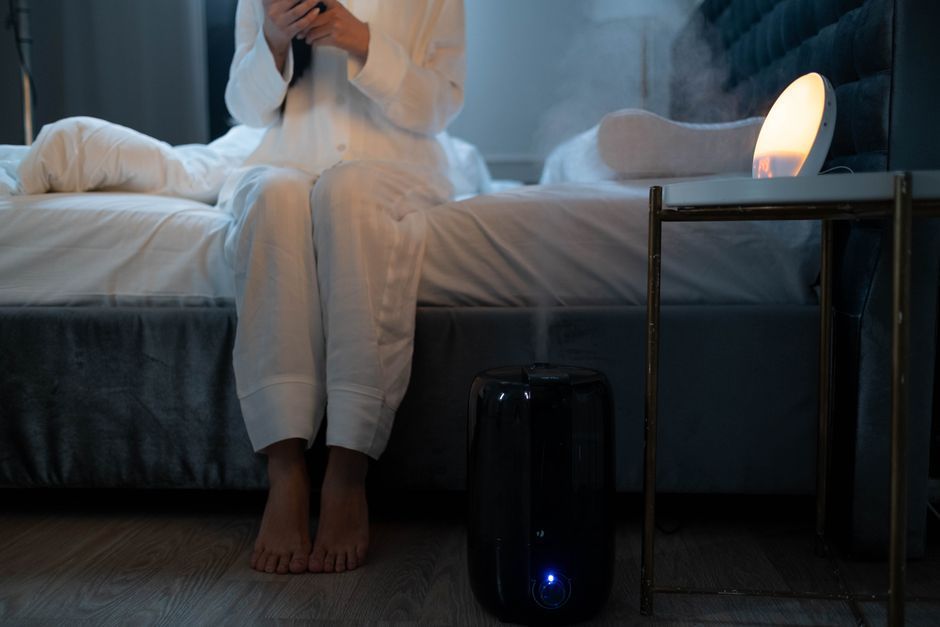
Hotel rooms are often very dry overnight because of heating. If your hotel offers a humidifier, ask for one; if not, a bowl of water or a damp towel near the heater helps a little. Drink water regularly and limit very hot baths, even when they are tempting after a cold day.
- Wash with lukewarm, not hot, water and a gentle cleanser.
- Apply moisturiser on damp skin, morning and night.
- Use a richer cream at night and a hydrating sunscreen by day.
- Introduce new K-beauty products one at a time.
- Protect lips, cheeks and hands from wind.
Getting to the clinic from Myeongdong
Obliv Clinic Seoul Origin sits between Myeongdong and Jongno, about six minutes' walk from Jongno 3-ga and Euljiro 3-ga stations. From the Myeongdong shopping streets it is a short subway ride or taxi, or a longer walk on a mild day; on icy days, the subway is usually more comfortable. We are open seven days, and our English-speaking team can help on WhatsApp.
If you are planning winter treatments, see our Lunar New Year skin preparation guide and dry hotel air skin recovery article, or the Myeongdong skin clinic guide for more on the area.
Frequently asked questions
What is the fastest way to fix dry winter skin?
Switch to a gentle cleanser and lukewarm water, apply moisturiser on damp skin, and stop exfoliants. A calming clinic treatment can help, followed by a booster once skin settles.
Can I get a skin booster if my skin is flaky?
Usually it is better to calm the skin for a few days first. A doctor checks whether the skin is ready, especially if it is stinging or inflamed.
Is my winter rash eczema?
Itchy, red, cracked or weeping patches that keep returning may be eczema. It needs a medical diagnosis and sometimes prescription treatment.
Should I stop using retinol in winter?
Many people need to reduce frequency or pause retinoids when skin is irritated. Restart slowly once the barrier has recovered.
How long do skin booster results last?
Hydrating boosters typically last several months, and a course of two or three sessions often gives a longer-lasting result.
Is winter a good time for laser treatments?
Winter is often a good season for pigment work because sun exposure is lower, but irritated skin should be calmed first.
How do I get to the clinic from Myeongdong?
The clinic is between Myeongdong and Jongno, about six minutes' walk from Jongno 3-ga and Euljiro 3-ga stations; a short subway ride or taxi from Myeongdong works well.
Related treatments and guides
Keep reading
- Lunar New Year Skin Preparation
- Dry Hotel Air Skin Recovery
- Skin Hydration Treatments After Long Flights to Korea
- Glass Skin Treatments Safe for Sensitive Skin
- Autumn Skin Repair Packages
Ask a doctor about winter skin rescue
Send a photo and your travel dates on WhatsApp (+82-10-3086-4084). English replies, a personal plan and a written quote before you fly.
Sources
- American Academy of Dermatology – Dermatologists' tips for relieving dry skin
- Cleveland Clinic – Dry Skin (Xeroderma): Symptoms, Causes, Treatment & Prevention
- DermNet – Dry skin (xeroderma): causes, treatments and more
- American Academy of Dermatology – 7 rosacea skin care tips dermatologists recommend