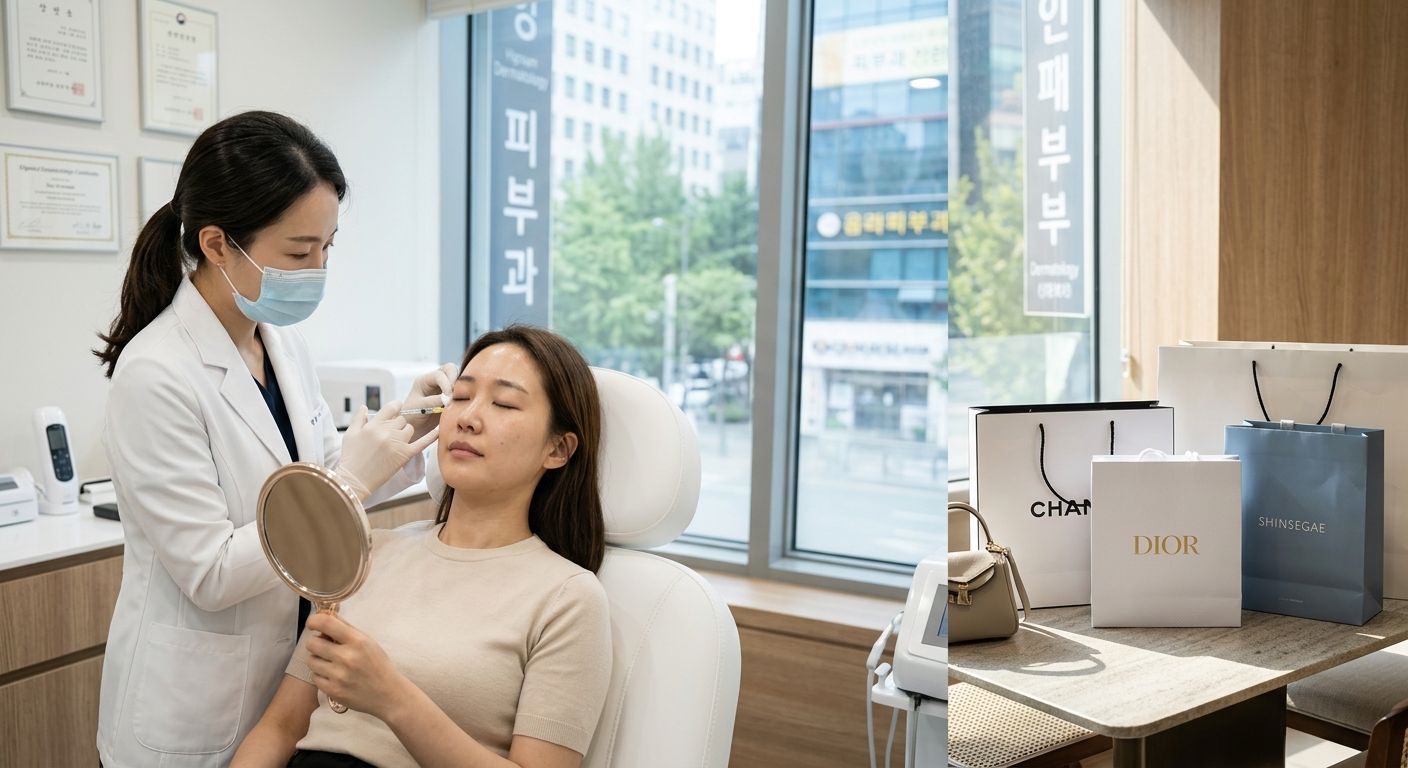
Facial Balancing Without Surgery
Facial Balancing Without Surgery
Facial balancing without surgery refers to non-surgical treatments designed to improve the visual proportions and harmony of different facial features without an operation. Depending on the individual, options may include dermal fillers, botulinum toxin, skin-tightening treatments, or other minimally invasive aesthetic procedures.
The goal is generally not to completely change the face. Instead, treatment may be planned around specific concerns such as facial asymmetry, lack of definition, volume differences, or proportions between the cheeks, chin, lips, jawline, and other features.
Results depend on facial anatomy, treatment choice, skin condition, and the clinician's assessment. A consultation is important before deciding which approach is appropriate.
What Is Non-Surgical Facial Balancing?
Facial balancing focuses on the relationship between different facial features rather than treating only one isolated area.
For example, a person may feel that the chin appears relatively small compared with the nose, that the cheeks lack volume, or that the jawline appears broader than desired. In some cases, addressing one feature can alter the perceived relationship between surrounding areas.
Non-surgical treatments can make limited changes to facial contours, volume, or muscle activity. However, they cannot reproduce every result achievable through facial surgery. Dermal fillers, for example, can restore volume and enhance certain contours, but they do not provide the same structural changes as procedures such as a facelift or facial bone surgery.
Common Treatments Used for Facial Balancing
Dermal Fillers
Dermal fillers can add volume to selected areas and are commonly used for contour enhancement. Depending on the product and treatment plan, fillers may be considered for areas such as the cheeks, chin, lips, or other facial contours.
For facial balancing, the objective is generally controlled volume placement rather than simply making one area larger. The amount and location of filler should be determined according to facial anatomy and the desired outcome.
Swelling, redness, tenderness, and bruising can occur after filler injections and commonly improve over several days. More serious complications are uncommon but can include infection, lumps, asymmetry, skin injury, and, rarely, blockage of a blood vessel.
Botulinum Toxin
Botulinum toxin works differently from fillers. Rather than adding volume, it temporarily reduces activity in selected muscles.
Depending on the individual's anatomy and treatment goals, it may be used cosmetically in areas where muscle activity contributes to facial lines or certain contour concerns. The treatment is temporary, and repeat treatment may eventually be required.
Temporary redness, swelling, soreness, or bruising can occur. Less common effects may include temporary weakness of a nearby muscle, which can affect areas such as the brow or eyelid.
Non-Invasive Skin Tightening
Some facial-balancing plans may include non-invasive skin-tightening procedures when skin laxity contributes to the overall appearance of the face.
These treatments do not add volume or directly change bone structure. Instead, certain technologies are designed to produce gradual skin tightening. Results can be more subtle than those from surgery, and several factors influence the outcome. The American Academy of Dermatology notes that non-invasive tightening treatments generally involve little or no downtime, although temporary redness or swelling may occur.
Which Facial Areas Can Be Balanced?
Treatment depends on the individual's facial proportions rather than a standard formula.
Areas that may be considered include:
- Chin: Adding carefully planned volume may improve the relationship between the chin and surrounding facial features.
- Cheeks: Volume treatment may restore or enhance cheek contour when appropriate.
- Jawline: Treatment may focus on contour definition, depending on whether volume, muscle activity, or skin laxity contributes to the concern.
- Lips: Subtle volume changes may alter the relationship between the lips and surrounding features.
- Forehead and temples: Volume loss in selected areas may affect overall facial proportions.
- Lower face: Muscle-focused treatments or other approaches may sometimes be considered depending on the underlying anatomy.
Not every person needs treatment in multiple areas. A medical consultation should determine whether one targeted treatment or a broader plan is appropriate.
Facial Balancing for International Patients in Korea
Patients traveling to South Korea for aesthetic treatment should consider more than the procedure itself.
Before treatment, international patients may want to confirm:
- Who performs the procedure
- What product or technology will be used
- Whether a medical consultation is included
- How risks and possible complications are explained
- What aftercare is recommended
- Whether communication is available in a language the patient understands
- How follow-up will be handled after returning home
For injectable treatments, choosing an appropriately trained medical professional is particularly important. The American Academy of Dermatology advises patients to have fillers performed in a medical setting by an experienced physician rather than in non-medical environments.
International patients should also avoid scheduling treatment immediately before a demanding travel itinerary. Swelling or bruising may temporarily affect appearance after injectable procedures, even when the treatment proceeds normally.
What to Expect After Non-Surgical Facial Balancing
Recovery depends on the treatment.
After fillers, temporary swelling, tenderness, redness, or bruising may occur. Some patients may see an initial change quickly, while the final appearance can take time to settle as temporary swelling decreases.
After botulinum toxin, many people can return to everyday activities immediately, although specific post-treatment instructions should be followed.
Patients should follow the treating clinician's instructions rather than assuming that all facial procedures have identical aftercare requirements.
Risks and Limitations
Non-surgical does not mean risk-free.
Potential concerns can include:
- Temporary swelling or bruising
- Redness or tenderness
- Asymmetry
- Overcorrection or undercorrection
- Lumps or irregularities
- Infection
- Unwanted changes in muscle activity
- Allergic or inflammatory reactions
- Vascular complications with injectable fillers
Rare but serious filler complications can occur if filler enters or obstructs a blood vessel. Depending on the location, this can result in tissue damage or vision problems.
Patients should seek prompt medical assessment if they develop unusual or severe symptoms after an injectable procedure, particularly symptoms suggesting a serious complication.
Non-surgical treatments also have clear limitations. They cannot reposition facial bones or produce the same structural changes as surgery. If the desired change requires major structural modification, a surgical consultation may be more appropriate.
Frequently Asked Questions
Is facial balancing possible without surgery?
Yes. Depending on the concern, non-surgical options may include fillers, botulinum toxin, and non-invasive skin-tightening procedures. Suitability depends on facial anatomy and treatment goals.
Can fillers make the face look more balanced?
Fillers can add volume and enhance selected facial contours. The result depends on where and how much filler is used, so professional assessment is important.
Is non-surgical facial balancing permanent?
Usually not. Injectable fillers and botulinum toxin have temporary effects, although duration varies by product, treatment area, and individual factors.
Does facial balancing hurt?
Discomfort varies by treatment and individual sensitivity. Injectable procedures may involve brief discomfort, while swelling or tenderness can occur afterward.
How long is recovery?
Recovery depends on the procedure. Some treatments involve little or no downtime, while injectable procedures may cause temporary swelling or bruising.
Can international patients have facial balancing in Seoul?
International patients can seek aesthetic consultations in Seoul, but they should allow time for consultation, treatment, recovery, and appropriate follow-up. Medical providers should be selected based on qualifications, treatment suitability, and safety rather than marketing claims alone.