Summer Oil Control Treatments
Quick answer
Summer oil control treatments reduce shine, clogged pores and breakouts during Seoul's hot, humid months. Clinic options include medical extraction and gentle peels for blackheads and congestion, laser or fractional treatment for enlarged-looking pores, calming care for inflamed spots and, in some people, intradermal toxin to temper oil, combined with light, non-comedogenic home care and sunscreen. No treatment switches oil off permanently. At Obliv near Myeongdong and Jongno, a doctor first checks whether acne, rosacea or a barrier problem is behind the shine.
Key takeaways
- Heat and humidity make oil and sweat sit on the skin longer, so pores look larger and clog more easily in summer.
- Over-washing and harsh scrubs backfire: they irritate skin and can make it look oilier and more inflamed.
- Clinic care targets congestion (extraction, peels), pore appearance (laser, fractional treatment) and active acne (medical treatment).
- Intradermal toxin for oil control is an option some clinics use; results are temporary and evidence is still limited.
- Light, non-comedogenic sunscreen remains essential; heavy, greasy products are the usual summer culprits.
Why skin gets oilier in a Seoul summer
Seoul summers are hot and humid, with a rainy season (jangma) usually arriving around late June and lasting into July, followed by steamy days in August. Higher temperatures increase sweat and make sebum flow more easily across the skin surface, so the face looks shinier. Humidity keeps that mixture of oil, sweat and sunscreen sitting on the skin, and a mask, hair or a phone screen pressing against it adds friction.
The result is the summer pattern many people know: a shiny T-zone by midday, blackheads on the nose and chin, small bumps after a day out, and pores that look larger than in winter. Pores do not truly open and close, but when they are filled with oil and debris, and the surrounding skin is less firm, they look bigger.
Understanding this helps avoid the common mistake of attacking oil aggressively. Our large pores guide explains why pores look bigger and what actually changes their appearance.
Is it just oiliness, or something else?
Shiny skin with blackheads is common and usually harmless, but several other conditions are often mistaken for simple oiliness. Rosacea causes redness, flushing and small bumps, and gets worse with heat and harsh products. Fungal folliculitis (sometimes called fungal acne) produces itchy, similar-sized bumps on the forehead, chest and back, and tends to flare in hot, humid weather; it needs antifungal rather than standard acne treatment.
Deep, painful cysts or acne that leaves scars need medical treatment early to prevent permanent marks. And sudden adult acne with irregular periods or new hair growth may be hormonal; our article on hormonal acne treatment while visiting Korea explains the next steps.
Clinic treatments for oil, pores and congestion
Medical extraction by trained staff removes blackheads and closed comedones with sterile tools and appropriate pressure, reducing the risk of marks compared with squeezing at home. It is often combined with a gentle chemical peel, such as salicylic acid, which dissolves oil inside pores. Our article on acne extraction by medical professionals explains what to expect.
For pores that look enlarged, fractional and picosecond treatments such as Pico Fraxel create tiny treatment zones that stimulate collagen around the pores and improve texture over several sessions. They usually cause a few days of redness and need good sun protection.
Some Korean clinics offer intradermal toxin (often called skin Botox) for oily skin, where very diluted botulinum toxin is placed superficially. Small studies suggest it can temporarily reduce oil and the look of pores in some people, but results vary, last a few months, and the evidence base is still limited. A doctor will discuss whether it is reasonable for you; see our skin Botox versus regular Botox article.
| Problem | Clinic options | Downtime | How it helps |
|---|---|---|---|
| Blackheads, congestion | Medical extraction, gentle peel | Redness for hours to a day | Clears blocked pores |
| Excess shine | Intradermal toxin, topical regimen | Tiny marks for hours | Temporarily reduces oil in some people |
| Enlarged-looking pores | Pico Fraxel, fractional laser | Redness 1–3 days | Improves texture over sessions |
| Active inflamed acne | Medical acne treatment, calming light | Usually none | Reduces inflammation |
| Dehydrated but oily | Light HA booster, LDM | Small bumps 1–2 days | Balances hydration |
Ask a doctor about summer oil control
Send a photo and your travel dates on WhatsApp (+82-10-3086-4084). English replies, a personal plan and a written quote before you fly.
When the shine comes with breakouts
Oily skin and acne often go together, because sebum feeds the bacteria involved in inflamed spots and plugs the follicle. If you have frequent red or pus-filled spots, oil control alone is not enough. Medical acne treatment may include topical retinoids, benzoyl peroxide or antibiotics, and in more persistent cases oral medicines prescribed by a doctor.
In clinic, calming light or laser, careful extraction, and small injections for painful cysts can settle flares, while regenerative treatments such as LDM can help calm reactive skin. Once active acne is under control, marks and scars can be addressed. Our acne and breakouts guide covers the options.
Home care that actually works in humidity
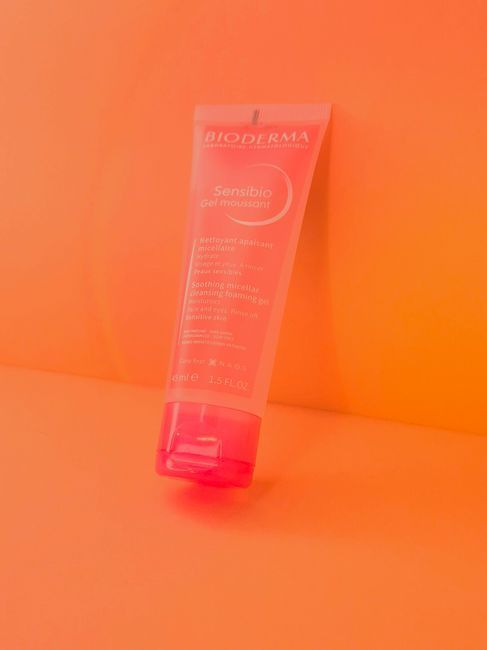
Dermatologists recommend washing oily skin twice a day and after sweating, with a gentle foaming or gel cleanser and lukewarm water, then using oil-free, non-comedogenic products. The American Academy of Dermatology also suggests blotting papers through the day rather than repeated washing, and choosing products labelled oil-free or non-comedogenic.
Moisturiser still matters. Oily skin can be dehydrated, especially after acne treatments or air-conditioning, and dehydration can make skin feel tight while still looking shiny. A light gel moisturiser keeps the barrier healthy without adding grease.
- Cleanse morning and night, and after heavy sweating; avoid scrubbing.
- Use a light, non-comedogenic sunscreen and reapply on long days out.
- Carry blotting papers instead of re-washing during the day.
- Choose gel or fluid textures; avoid heavy creams and oils on the face.
- Change pillowcases often and clean phone screens and masks.
A realistic summer timeline
Oil control is a management plan rather than a cure. Extraction and peels give a visible improvement within days, while pore and texture treatments take several sessions over two to three months. Intradermal toxin, when used, typically starts working within one to two weeks and wears off after a few months.
Because summer UV is strong, we keep lasers gentle and prioritise treatments with little downtime during the hottest months, saving more intensive resurfacing for autumn. Our autumn skin repair article covers the next step.
Visiting Seoul in summer
If you are visiting Seoul in summer, expect heat, humidity and heavy rain on some days. Plan clinic visits for the cooler morning hours if you can, carry sunscreen and blotting papers, and avoid saunas and very hot baths for a day or two after peels or lasers.
The clinic is between Myeongdong and Jongno, about six minutes' walk from Jongno 3-ga and Euljiro 3-ga stations, and our English-speaking team can advise on WhatsApp before you arrive. See the English-speaking clinic guide for how we work with visitors.
Frequently asked questions
Can a clinic treatment stop my skin from being oily?
No treatment switches oil off permanently. Clinic care can reduce congestion, improve pore appearance and temporarily lower oil in some people, alongside good home care.
Does skin Botox reduce oil?
Intradermal toxin may temporarily reduce oil and the look of pores in some people. Results vary, last a few months, and the evidence is still limited.
Is extraction safe?
Medical extraction with sterile tools by trained staff is generally safe and causes less damage than squeezing at home. Mild redness usually settles within hours.
Should I skip moisturiser if my skin is oily?
No. Use a light, non-comedogenic gel moisturiser. Oily skin can still be dehydrated, especially in air-conditioned rooms.
Why do I break out more in summer?
Heat, sweat, humidity and heavy sunscreen or makeup can clog pores. Fungal folliculitis also flares in humid weather and needs different treatment.
Can I have pore laser treatment in summer?
Gentle treatments are possible with strict sun protection, but more intensive resurfacing is often better scheduled for autumn.
What sunscreen is best for oily skin?
A broad-spectrum, oil-free, non-comedogenic fluid or gel sunscreen of SPF 30 or higher usually works well.
Related treatments and guides
Keep reading
- Rainy Season Acne Prevention
- Acne Extraction by Medical Professionals
- Skin Botox vs Regular Botox in Seoul
- Acne Facial for Travelers in Seoul
- Men's Acne Solutions in Seoul
Ask a doctor about summer oil control
Send a photo and your travel dates on WhatsApp (+82-10-3086-4084). English replies, a personal plan and a written quote before you fly.
Sources